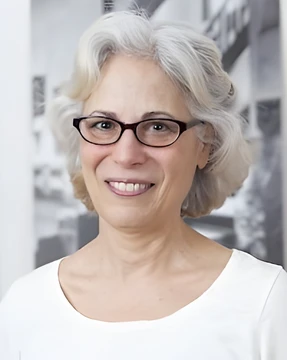
Noam Chomsky
Founder of modern linguistics and influential political critic.

Avram Noam Chomsky was born on December 7, 1928, in Philadelphia, Pennsylvania, to Ashkenazi Jewish immigrant parents. His father, William, fled the Russian Empire (now Ukraine) in 1913 to avoid conscription, working in Baltimore sweatshops and Hebrew schools before becoming a principal and college faculty member. His mother, Elsie, emigrated from what is now Belarus. Both spoke Yiddish natively, though it was not spoken at home; William spoke English with an accent, while Elsie used a New York City dialect. Chomsky’s only sibling, David, became a cardiologist. The brothers were raised Jewish, learned Hebrew, and discussed Zionist political theories, influenced by the Left Zionist writings of Ahad Ha'am. They faced antisemitism from local Irish and German communities. Chomsky attended a Deweyite school and Philadelphia’s Central High School, excelling academically but disliking rigid teaching methods. His parents were center-left Democrats, but relatives in the garment workers’ union introduced him to socialism and far-left politics. He was shaped by his uncle and the Jewish leftists who debated current events at a New York City newsstand, and he often visited anarchist bookstores in the city.
Chomsky studied at the University of Pennsylvania and, during a postgraduate fellowship at Harvard, developed transformational grammar theory, earning his doctorate in 1955. That year, he began teaching at MIT. In 1957, his book *Syntactic Structures* reshaped linguistics. From 1958 to 1959, he was a National Science Foundation fellow at the Institute for Advanced Study. He created or co-created universal grammar, generative grammar, the Chomsky hierarchy, and the minimalist program. His work helped end linguistic behaviorism, particularly by criticizing B. F. Skinner. Often called the father of modern linguistics, he is a major figure in analytic philosophy and a founder of cognitive science. He is now a laureate professor at the University of Arizona and an institute professor emeritus at MIT. Among the most cited living authors, he has written over 150 books on linguistics, war, and politics.
Since the 1960s, Chomsky has been a leading voice on the American Left, consistently criticizing U.S. foreign policy, capitalism, and corporatocracy. He opposed U.S. involvement in the Vietnam War as imperialism, rising to national attention in 1967 with his essay “The Responsibility of Intellectuals.” He was arrested multiple times for activism and landed on President Nixon’s list of political opponents. His linguistics work sparked the linguistics wars in the 1960s. With Edward S. Herman, he developed the propaganda model of media criticism in *Manufacturing Consent* and worked to expose the Indonesian occupation of East Timor. His defense of unconditional free speech, including for Holocaust denial, caused controversy in the 1980s Faurisson affair. His comments on the Cambodian and Bosnian genocides also drew criticism. After retiring from MIT, he continued activism, opposing the 2003 Iraq War and supporting the Occupy movement. An anti-Zionist, he considers Israel’s treatment of Palestinians worse than South African apartheid and criticizes U.S. support for Israel.
Chomsky is widely credited with sparking the cognitive revolution in the human sciences, providing a new framework for studying language and the mind. He remains a leading critic of U.S. foreign policy, capitalism, U.S. involvement in the Israeli–Palestinian conflict, and mass media. His ideas are highly influential in anti-capitalist and anti-imperialist movements.
- born
- December 7, 1928
- field
- Linguistics, philosophy, cognitive science, political activism
- nationality
- American
- known_for
- Transformational grammar, universal grammar, generative grammar, Chomsky hierarc
Verified Timeline
Quick Facts
- Birth Name
- Avram Noam Chomsky
- Birth Date
- 1928-12-07
- Birth Place
- Philadelphia, Pennsylvania, US
- Occupation
- Professor, public intellectual
- Years Active
- 1955–2023
- Father
- William Chomsky
- Thesis Title
- Transformational Analysis
- Thesis Url
- https: · www.proquest.com/docview/89172813
- Thesis Year
- 1955
- Doctoral Advisor
- Zellig Harris
- Academic Advisors
- Nelson Goodman
- Notable Students
- title = · George Lakoff · Robert Stainton
Facts from the source article.
Lore & Background
Chomsky was born on December 7, 1928, in East Oak Lane, Philadelphia, to Ashkenazi Jewish immigrants William Chomsky and Elsie Simonofsky. His father fled the Russian Empire in 1913 to escape conscription, and his mother emigrated from present-day Belarus. Chomsky developed an early interest in anarchism from left-wing and anarchist bookstores he visited when seeing his uncle in New York City, writing his first article on the 1939 fall of Barcelona at age 10. He studied at the University of Pennsylvania, where he met linguist Zellig Harris in a political circle in 1947, who convinced him to major in theoretical linguistics. During his postgraduate work in the Harvard Society of Fellows from 1951 to 1955, Chomsky developed the theory of transformational grammar, earning his doctorate in 1955. That year he began teaching at MIT, and in 1957 emerged as a significant figure in linguistics with his landmark work Syntactic Structures. He created or co-created the universal grammar theory, the generative grammar theory, the Chomsky hierarchy, and the minimalist program. Chomsky also played a pivotal role in the decline of linguistic behaviorism, and was particularly critical of the work of B. F. Skinner. An outspoken opponent of U.S. involvement in the Vietnam War, which he saw as an act of American imperialism, in 1967 Chomsky rose to national attention for his anti-war essay 'The Responsibility of Intellectuals.' He was arrested multiple times for his activism and placed on President Richard Nixon's list of political opponents. In collaboration with Edward S. Herman, Chomsky later articulated the propaganda model of media criticism in Manufacturing Consent, and worked to expose the Indonesian occupation of East Timor. His defense of unconditional freedom of speech, including that of Holocaust denial, generated significant controversy in the Faurisson affair of the 1980s. Chomsky's commentary on the Cambodian genocide and the Bosnian genocide also generated controversy. An anti-Zionist, Chomsky considers Israel's treatment of Palestinians to be worse than South African–style apartheid, and criticizes U.S. support for Israel.
Reader's Guide
Chomsky is widely recognized as having helped to spark the cognitive revolution in the human sciences, contributing to the development of a new cognitivistic framework for the study of language and the mind. Since the 1960s, he has been an influential voice on the American Left as a consistent critic of the foreign policy of the United States, contemporary capitalism, and corporatocracy. His work in linguistics, particularly transformational and generative grammar, fundamentally reshaped the study of language and influenced philosophy and psychology. As a political activist, he has been a leading critic of U.S. foreign policy, contemporary capitalism, and mass media. His ideas remain highly influential in anti-capitalist and anti-imperialist movements. Chomsky's legacy is marked by both his foundational contributions to cognitive science and his sustained, controversial engagement with political and social issues.
Did You Know?
- Chomsky wrote his first article at age 10 about the 1939 fall of Barcelona and the suppression of the Spanish anarchosyndicalist movement.
- He was placed on President Richard Nixon's list of political opponents due to his anti-war activism.
- Chomsky's doctorate in 1955 exempted him from compulsory military service that was otherwise due to begin that year.
- He co-authored Manufacturing Consent with Edward S. Herman, articulating the propaganda model of media criticism.
- Chomsky's parents were both Ashkenazi Jewish immigrants; his father fled the Russian Empire in 1913 to escape conscription.
Frequently Asked Questions
Who is Noam Chomsky?
Noam Chomsky is an American scholar and public intellectual born in 1928, widely recognized as the architect of modern structural linguistics. He also works across philosophy, cognitive science, and political commentary, making him one of the most prolific writers of his generation.
What are Chomsky's key academic contributions?
His most celebrated work centers on transformational and generative grammar, which reshaped how linguists model human language acquisition. He also developed the Chomsky hierarchy of formal languages and later the minimalist program, both of which remain foundational in theoretical linguistics.
What is Chomsky's role in political activism?
Beyond the academy, Chomsky is a long-standing anti-war activist and critic of U.S. foreign policy, having spoken out against interventions from Vietnam onward. He is also well known for co-developing the propaganda model of media criticism, which examines how corporate ownership shapes news coverage.
Where does Chomsky hold his academic positions?
He serves as a laureate professor of linguistics at the University of Arizona and holds the title of institute professor emeritus at MIT. These two institutions have been the primary bases of his career since the 1950s.
Why is Chomsky considered so important across multiple fields?
His influence spans at least four disciplines—linguistics, philosophy, cognitive science, and political sociology—making him a rare figure who bridges the sciences and public critique. With over 150 published books, he remains one of the most frequently cited living authors in the humanities and social sciences.
More in Modern Political Theorists And Sociologists 1-18
Spotted an error? Know more?
This is a living reference — every entry is fact-audited, and reader corrections feed straight into our audit queue. Suggest an edit · See this site's audit record