Fermentation
Anaerobic metabolism producing ATP and organic end products.
Last updated

No machine-readable author provided. Norro assumed (based on copyright claims). · Public domain
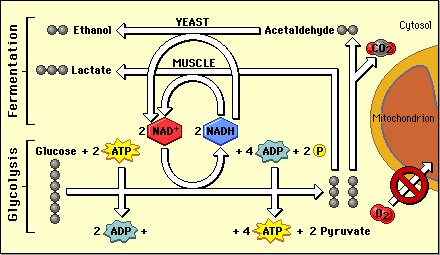
Fermentation is a form of anaerobic metabolism that uses the redox potential of its starting materials to generate ATP and organic byproducts. In this process, organic molecules like glucose are broken down, and their electrons are passed to other organic compounds, such as cofactors or coenzymes. The term "anaerobic glycolysis" is sometimes used when fermentation occurs in multicellular organisms, like animals, during periods when aerobic respiration cannot meet ATP demands due to low oxygen or anaerobic conditions. Humans have relied on fermentation for 13,000 years, primarily for food production and preservation.
It is valued for its health benefits, distinctive flavors, and improved textures. Beyond direct consumption, the microbes in the guts of humans and livestock produce end products through fermentation that the host then uses for energy. Industrially, fermentation is best known for making commodity chemicals like ethanol and lactate.
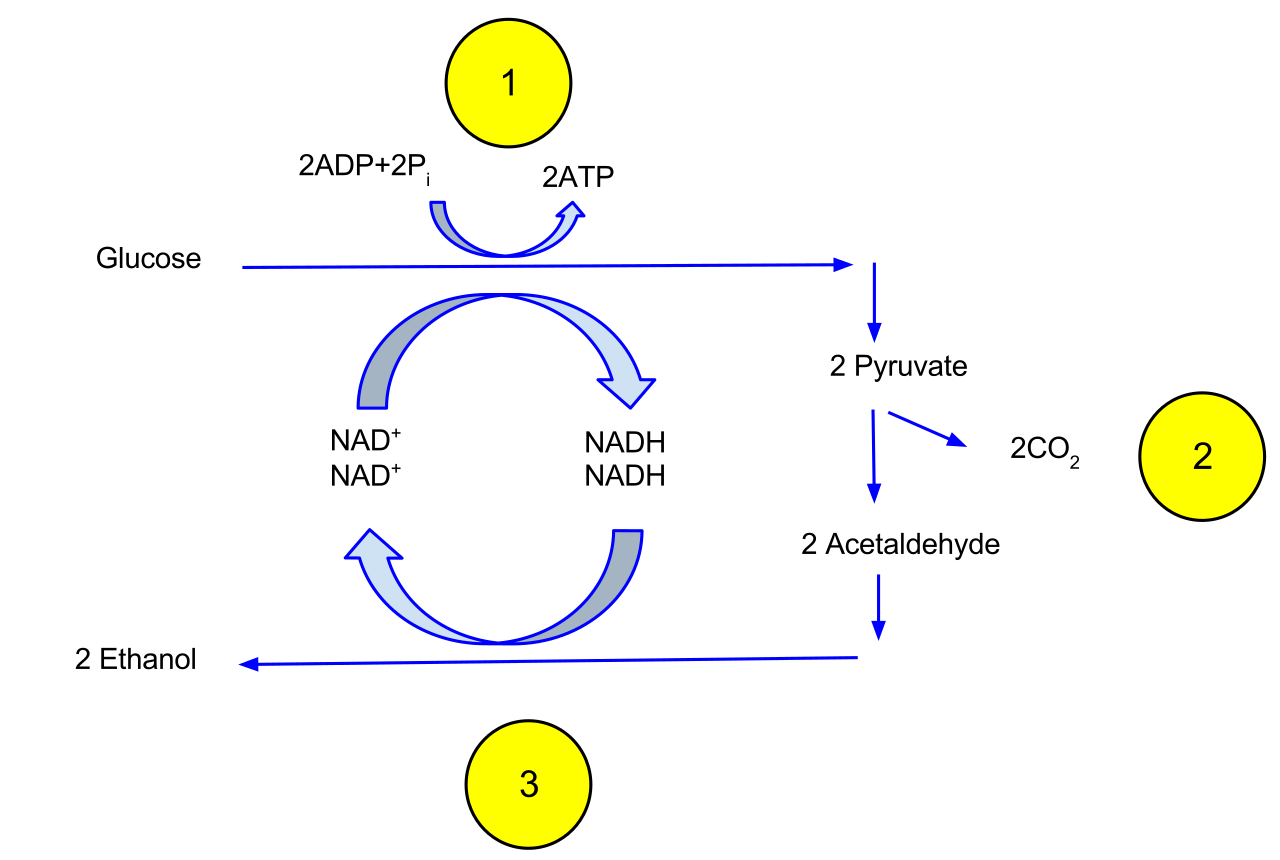
Ethanol appears in alcoholic beverages such as beer, wine, and spirits, while lactate can be neutralized to lactic acid for use in food preservation, curing, or flavoring. This metabolic process is highly versatile, using a wide range of substrates and capable of forming nearly 300 different combinations of end products. Fermentation occurs in both prokaryotes and eukaryotes, and ongoing discoveries of new end products and fermentative organisms suggest it is even more diverse than currently understood. Many definitions have been proposed over time.
Definition
The simplest and most recent defines fermentation as "catabolism where organic compounds are both the electron donor and acceptor." This distinguishes it from aerobic respiration, where oxygen is the acceptor, and from anaerobic respiration, where an inorganic species serves that role. However, this definition does not cover all cases—for example, propionate fermentation uses H₂ as an electron donor, and the second step of butyrate fermentation can use CO₂ as an electron acceptor. So, it is easiest to use this basic definition while noting that protons can also serve as electron donors and CO₂ as acceptors. In 1876, before anaerobic respiration was known, Louis Pasteur described fermentation as "la vie sans air" (life without air).
Another historical definition focused on ATP formation, describing fermentation as catabolism that produces ATP solely through substrate-level phosphorylation. Industrial fermentation is defined more loosely as a large-scale biological manufacturing process, emphasizing production rather than metabolic details. Organisms use fermentation to gain a net ATP yield from external organic molecules like glucose.
Biological role and prevalence
It was not a net energy source for the earliest life forms, which were mostly single-celled organisms living in oceans lacking significant concentrations of complex organic molecules. Because fermentation requires no external electron acceptor, it can occur in any environment. Its main drawback is inefficiency: it produces only 2 to 5 ATP molecules per glucose, compared to 32 ATP during aerobic respiration. More than 25% of bacteria and archaea carry out fermentation.
It is especially common in prokaryotes of the phylum Bacillota and rarest in Actinomycetota, based on phylogenetic analysis. Fermenting microbes are most often found in host-associated habitats like the gastrointestinal tract, but also in sediments, food, and other environments. Both bacteria and archaea can ferment, yielding a wide variety of organic end products. The most common include lactate, acetate, ethanol, carbon dioxide (CO₂), succinate, hydrogen (H₂), propionate, and butyrate.
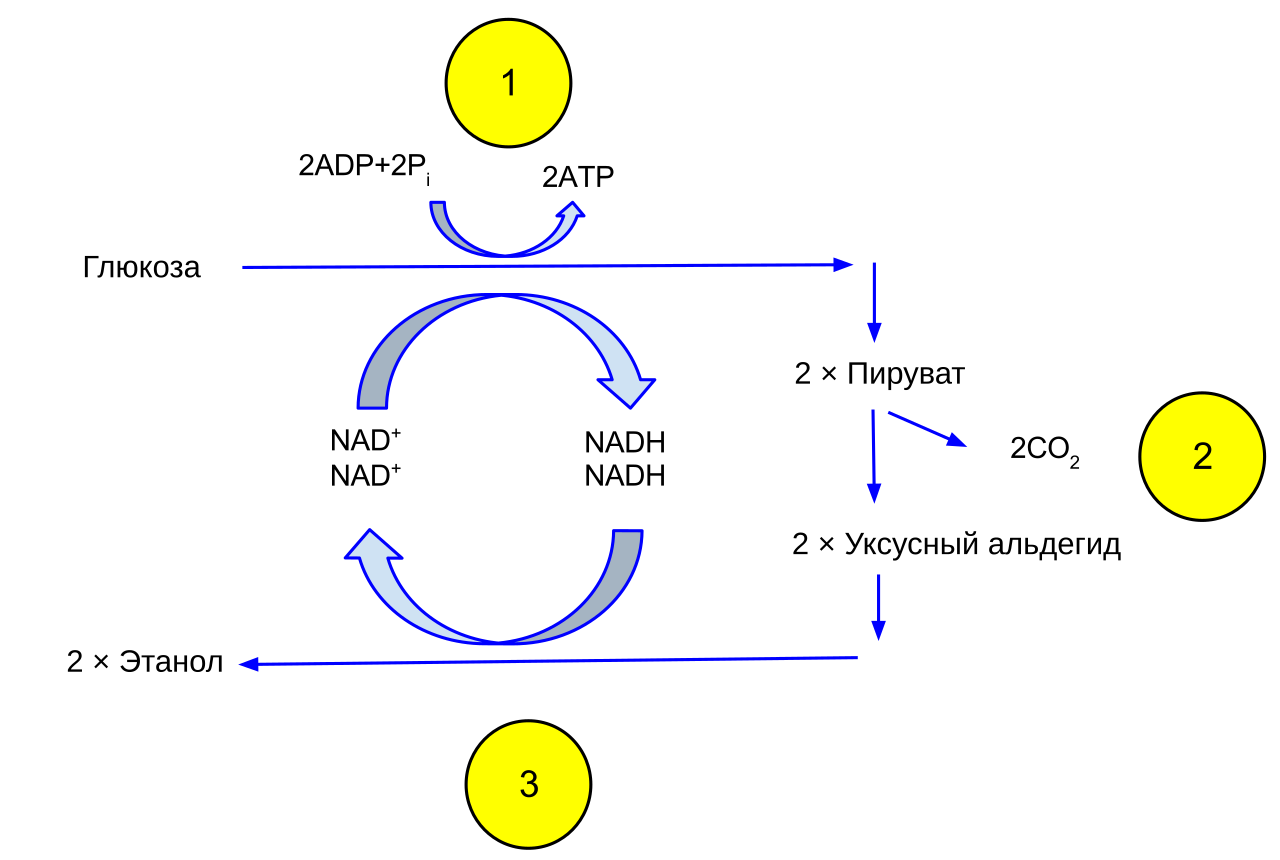
In humans, fermentation pathways occur during health—such as exercise—and in disease, like sepsis or hemorrhagic shock. It provides energy for a period of 10 seconds to 2 minutes, supplementing aerobic metabolism, but is limited by lactate buildup, making rest necessary. Like many biochemical reactions, fermentation is enzyme-catalyzed, aiming either to modify the initial substrate or produce a useful byproduct. When microbes carry out natural fermentation, their goal is usually to obtain useful metabolic products like ATP, pyruvate, or lactic acid.
Substrates and products of fermentation
The substrates are often simple sugars (carbohydrates) that serve as a carbon source, and this type of fermentation can occur in both microbes and humans. Using food as a substrate for fermentation is the oldest and most common human application, originally a method of preservation. Examples include cereal, dairy products, rice, honey, bread, and beers.
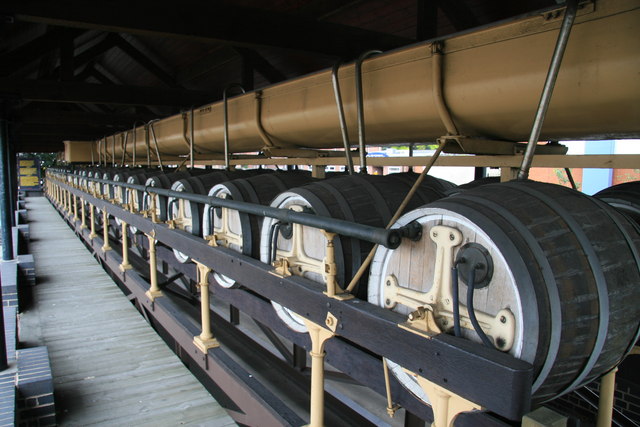
Humans continue to harness natural fermentation for its preservative effects, flavors, and textures. Advances have led to the engineering and industrialization of specific microbes and substrates to achieve desired flavor and texture profiles—most evident in beer fermentation. When an organic compound is fermented, it is broken down into a simpler molecule, releasing electrons. These electrons are transferred to a redox cofactor, which then...
Quick Facts
- Field
- Biochemistry, Microbiology
- Substrates
- Simple sugars
- glucose
- other organic molecules
- Common products
- Lactate
- acetate
- ethanol
- CO2
- succinate
- H2
- propionate
- butyrate
- Atp yield
- 2 to 5 ATP per glucose (vs. 32 in aerobic respiration)
Facts from the source article.
Lore & Background
Fermentation is a form of anaerobic metabolism that generates adenosine triphosphate (ATP) and organic end products by harnessing the redox potential of its reactants. In this process, organic molecules such as sugars are broken down, and their electrons are transferred to other organic molecules like cofactors or coenzymes. This metabolic strategy is used by over a quarter of all bacteria and archaea, and it is especially common among prokaryotes in the phylum Bacillota, though it is rare in Actinomycetota. Fermenting microbes are most frequently found in host-associated environments, such as the gastrointestinal tract, as well as in sediments and food.
The metabolism is highly diverse, utilizing a wide variety of substrates and capable of producing nearly 300 different combinations of end products. The most common products include lactate, acetate, ethanol, carbon dioxide, succinate, hydrogen, propionate, and butyrate. In humans, fermentation pathways are activated during exercise, sepsis, and hemorrhagic shock, providing energy for a period of ten seconds to two minutes, though this is limited by lactate buildup.
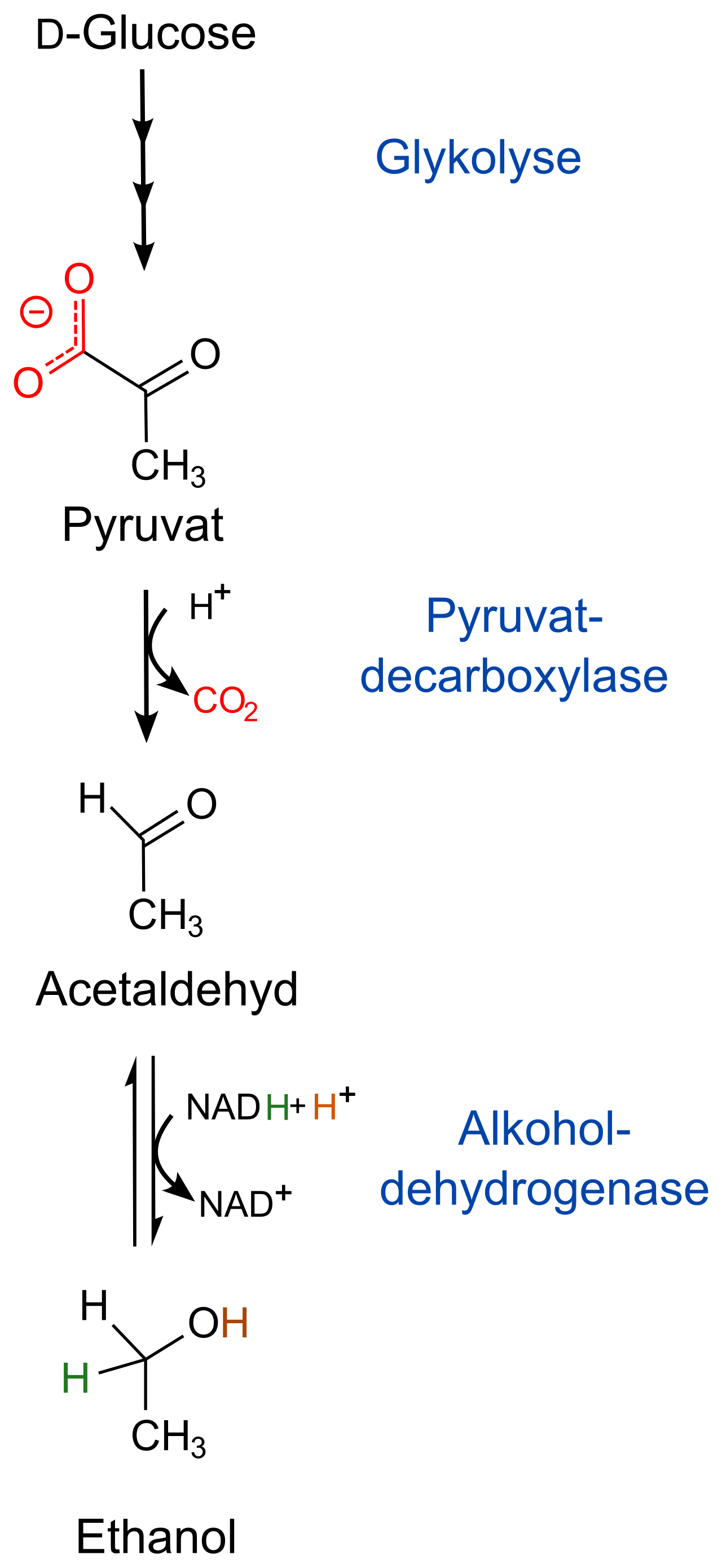
The biological role of fermentation is to generate a net gain of ATP from external organic molecules, but it is relatively inefficient, yielding between two and five ATP molecules per glucose compared to thirty-two from aerobic respiration. Historically, Louis Pasteur described fermentation as "life without air" in 1876, before anaerobic respiration was understood. Humans have utilized fermentation for food production and preservation for approximately 13,000 years, benefiting from its effects on flavor, texture, and health. At an industrial scale, fermentation is used to produce commodity chemicals such as ethanol for alcoholic beverages and lactate for food preservation and flavoring.
Breadth of Industrial Applications
Industrial fermentation extends far beyond the familiar world of bread, beer, and yogurt. At its core, it is the deliberate harnessing of microbial metabolism to manufacture products at scale for the chemical and food industries. Commodity chemicals like acetic acid, citric acid, and ethanol are routinely produced this way. Perhaps even more striking, the vast majority of commercially available industrial enzymes—lipase, invertase, rennet—are now generated using genetically modified microorganisms rather than extracted from animal or plant sources.
In other cases, the living material itself is the target product: single-cell proteins for feed, baker's yeast for baking, and lactic acid bacteria starter cultures that drive cheesemaking. The organisms employed span bacteria, algae, and fungi such as yeasts and molds, though plant and animal cell cultures like CHO cells and insect cells also find their place in industrial settings. Each organism demands tailored attention to dissolved oxygen, nutrient supply, and temperature, making the choice of biological agent a foundational decision in any fermentation operation.
The Four-Part Classification Framework
To make sense of the enormous variety of industrial fermentation processes, practitioners organize them into four broad categories, though these categories frequently overlap in practice. The first type targets the production of viable biomass—living cellular material that is itself the desired output. The second focuses on extracellular metabolites, meaning chemical compounds secreted into the surrounding medium by the organism. The third category concerns intracellular components, particularly enzymes and other proteins that must be recovered from within the cells.
The fourth type involves substrate transformation, where the starting material is chemically altered and that altered substrate becomes the product, as in converting alcohol to vinegar. These four frameworks help engineers and microbiologists think clearly about what they are actually trying to achieve. The rate at which fermentation proceeds is governed by the concentration of microorganisms, cells, cellular components, and enzymes, alongside environmental variables such as temperature, pH, and—when the process is aerobic—the available oxygen. Recovering the final product often requires concentrating what began as a dilute solution, adding another layer of complexity to the overall operation.
Reader's Guide
Fermentation is a form of anaerobic metabolism that generates ATP by transferring electrons from organic molecules to other organic molecules, rather than to an external electron acceptor like oxygen. This process has been harnessed by humans for at least 13,000 years to produce and preserve food, contributing to unique flavors, textures, and health benefits. Beyond direct human use, fermentation occurs naturally in the gut microbes of humans and livestock, where the end products are absorbed and used as an energy source by the host.
Industrially, fermentation is widely employed to manufacture commodity chemicals such as ethanol, used in alcoholic beverages, and lactate, which can be converted to lactic acid for food preservation and flavoring. The metabolic diversity of fermentation is vast, utilizing a broad range of substrates and yielding nearly 300 different combinations of end products. It is found across both prokaryotes and eukaryotes, and ongoing discoveries of new end products and organisms suggest its full scope remains unexplored. Over 25% of bacteria and archaea perform fermentation, with the highest prevalence in the phylum Bacillota and the lowest in Actinomycetota.
These fermentative microbes are most common in host-associated environments like the gastrointestinal tract, as well as in sediments and food. Common end products include lactate, acetate, ethanol, carbon dioxide, succinate, hydrogen, propionate, and butyrate. In humans, fermentation pathways are activated during exercise and in disease states such as sepsis and hemorrhagic shock, supplying energy for a period of 10 seconds to 2 minutes, though this is limited by lactate accumulation and requires rest to clear.
More in Microbiology
Sources
Compiled from Wikipedia and the sources listed below. Text from Wikipedia is available under CC BY-SA 4.0; this entry is adapted from it.
- Wikipedia: Fermentation (CC BY-SA 4.0).
- Word definitions: the Codexery glossary, each quoted from its Wikipedia article.
Spotted an error? Know more?
Reader corrections go straight into our review queue. Suggest an edit · How this site is sourced