
Emergency Call Ambulance
Arcade driving game about paramedic missions in a fictionalized city.

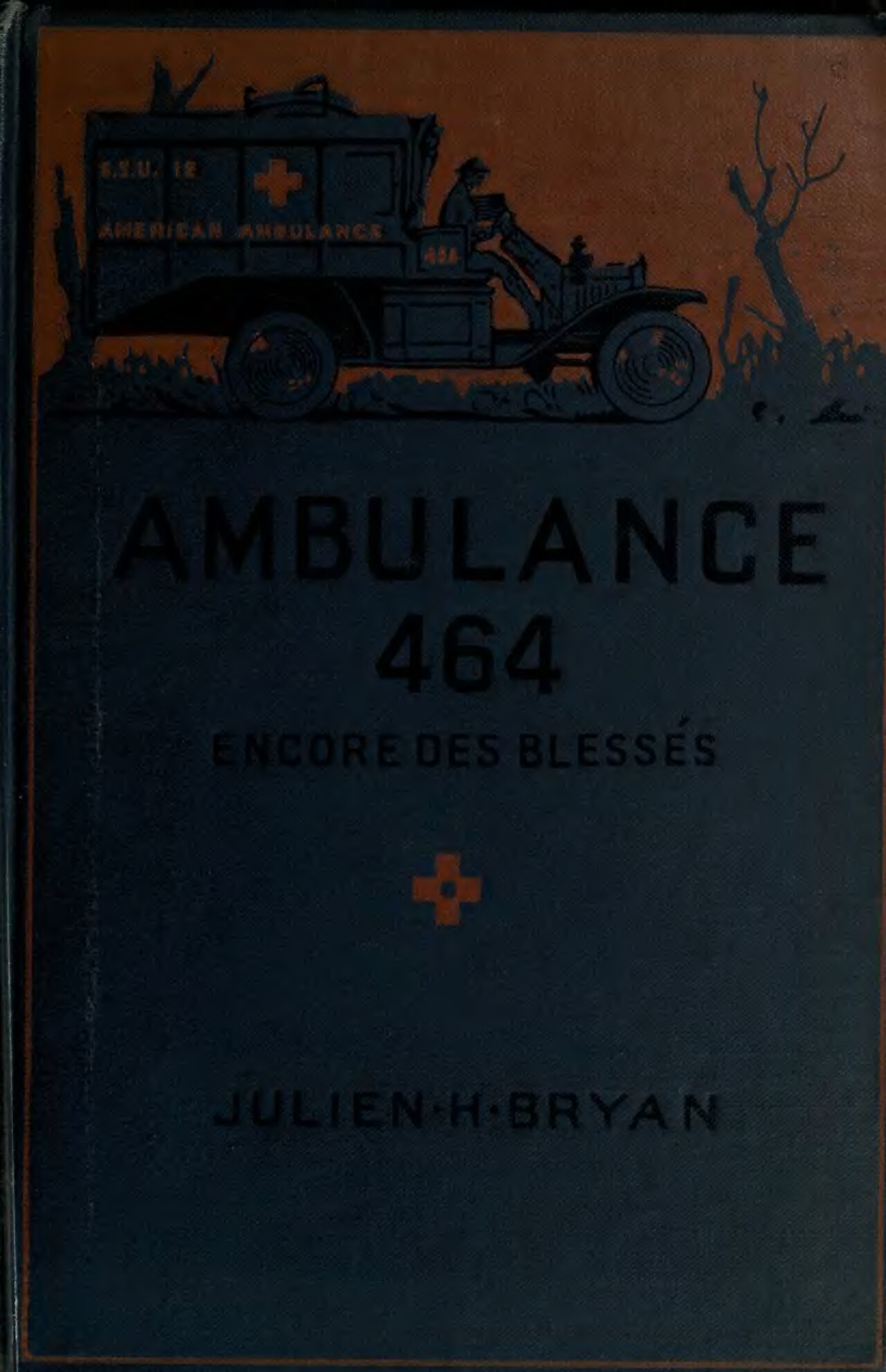
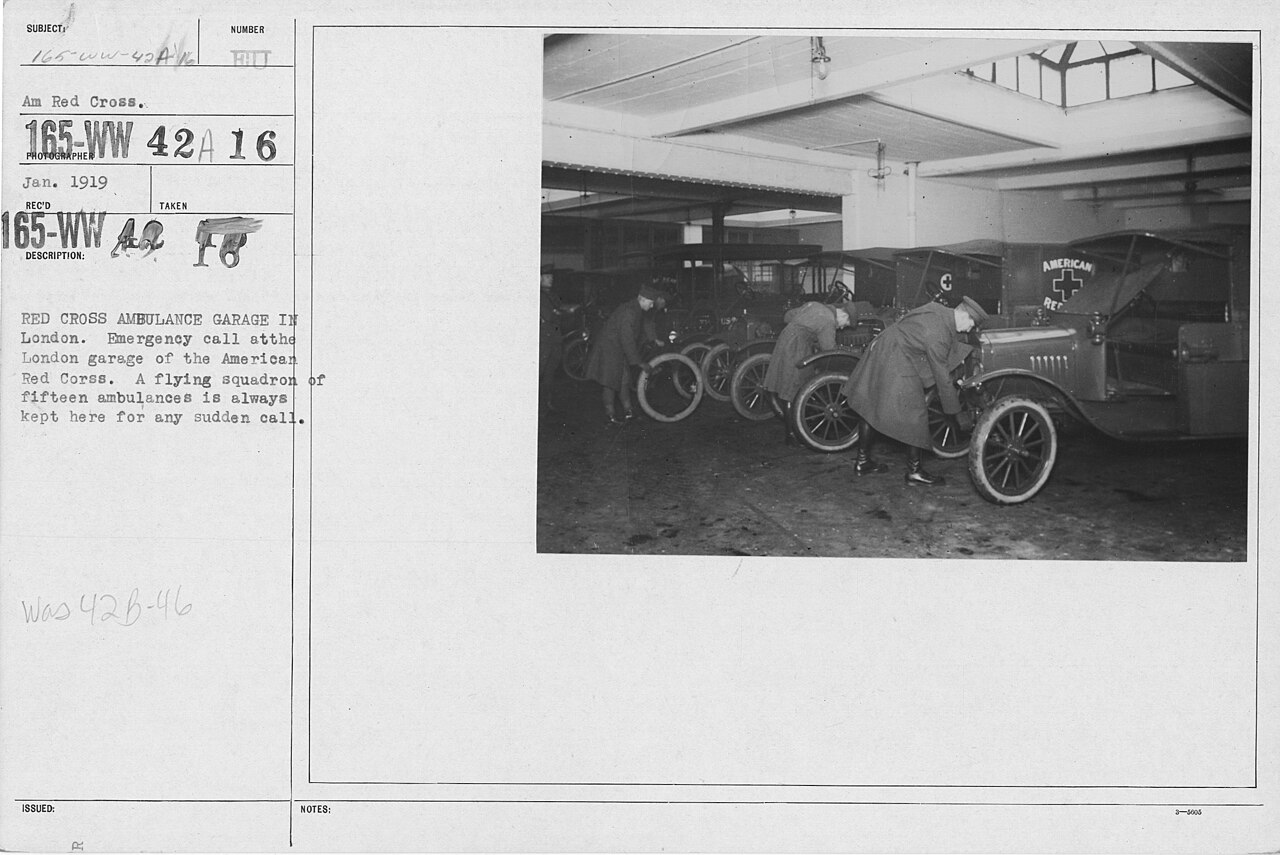
Julien Bryan · Public domain
Emergency Call Ambulance (Japanese: 救急車, Hepburn: Kyūkyūsha) is a driving game for a single player, released by Sega in 1998 as an arcade title. The player uses a steering wheel, gearshift, and accelerator and brake pedals to control the vehicle. The game remained exclusive to arcades and was not included in any compilation releases.
- release_year
- 1998
Lore & Background
In Emergency Call Ambulance, the player takes the role of an ambulance driver and paramedic in a fictionalized city, tasked with rescuing people and transporting them to a nearby hospital. Players can choose between automatic and manual transmission. The game consists of several missions, each involving different emergency scenarios, though specific patient names and detailed backstories are not part of the game's known content.
Reader's Guide
Emergency Call Ambulance is notable as a niche arcade title from Sega that attempted to simulate real-life emergency response driving. Its inclusion in the "Real Life Career Series" alongside Brave Firefighters and Jambo! Safari highlights Sega's brief interest in vocational simulation games. The game received moderate commercial success in Japan, being listed as the ninth most-successful dedicated arcade game in the February 1, 2000 issue of Game Machine. Critic Jon Thompson of AllGame rated it three stars out of five, praising its graphics and sound effects but criticizing its difficulty and scripted levels, noting that unlike Crazy Taxi, the player is constricted to a single track that never changes. The game remained an arcade exclusive for over two decades until its re-release in Yakuza Kiwami 3 & Dark Ties on 12 February 2026, giving it a second life among retro gaming enthusiasts.
Did You Know?
- The game was listed as the ninth most-successful dedicated arcade game in Japan in the February 1, 2000 issue of Game Machine.
- The game was an arcade exclusive and was not included in any compilation releases.
The Chicago Paramedic Missions
In Emergency Call Ambulance, players step into the role of a Chicago Fire Department paramedic and ambulance driver tasked with rescuing critically injured individuals and rushing them to a nearby hospital. The game unfolds across several distinct missions, each presenting a unique emergency scenario set against the urban backdrop of Chicago. The first rescue involves a ten-year-old boy named Jack, whose family's station wagon has collided with a tanker truck. The second mission calls for the player to reach Edward, a thirty-five-year-old Chicago Police officer who has been struck by a rocket launcher fired by a gang whose appearance somewhat resembles Yakuza syndicates. The third scenario finds Kate, a twenty-three-year-old woman, trapped in a hotel fire alongside her partner; she is pregnant and has just delivered three babies. The campaign culminates in the rescue of Gregorio Tavaresky, a forty-eight-year-old head of state from an unnamed nation, whose airliner was brought down over Lake Michigan after a lightning strike. Players may opt for either automatic or manual transmission, adding a layer of mechanical choice to each high-pressure run.
Cabinet Hardware & Driving Controls
Released by Sega in 1999, Emergency Call Ambulance (known in Japan as Kyūkyūsha, the Hepburn romanization of the kanji 救急車, meaning 'ambulance') was designed as a single-player driving experience built around a full cockpit-style control layout. Rather than a conventional button-and-stick arrangement, the cabinet featured a physical steering wheel, a gearshift lever, and dedicated accelerator and brake pedals, mimicking the feel of operating a real vehicle. This hardware commitment meant that every turn, lane change, and speed adjustment required the player to engage multiple limbs simultaneously, creating a tactile experience far removed from standard arcade titles. The choice between automatic and manual transmission further deepened the simulation aspect, allowing players who preferred a more hands-on driving feel to manage gear changes themselves while under the time pressure of a medical emergency. The game's Japanese title translates directly to 'ambulance,' underscoring Sega's intent to ground the experience in the specific, high-stakes world of emergency medical transport rather than generic racing.
Critical Reception & Arcade Performance
Emergency Call Ambulance found solid commercial traction in its home market of Japan. Game Machine, a prominent industry publication, placed the title at ninth position among the most-successful dedicated arcade games for the month, as reported in their February 1, 2000 issue, indicating the cabinet performed well in Japanese arcades during its early run. Western critical response was more measured. Jon Thompson of AllGame awarded the game three stars out of five, singling out its visual presentation and sound design as standout elements. However, Thompson took issue with the difficulty level and the rigidly scripted nature of each mission. He noted that sudden events and traffic patterns repeated identically across playthroughs, and drew a pointed comparison to Crazy Taxi, observing that whereas that title offered varying routes, Emergency Call Ambulance locked the player onto a single unchanging track for every scenario. The contrast between the game's commercial standing in Japan and the lukewarm Western review highlights how its tightly structured, simulation-leaning design resonated differently across audiences.
Cancelled Compilation & Long Arcade Exclusivity
Despite its arcade success, Emergency Call Ambulance never received a standalone home console release during its original era. The UK edition of the Official Dreamcast Magazine reported that Sega intended to bundle the title in a three-in-one compilation alongside Brave Firefighters and Jambo! Safari, all three forming part of Sega's 'Real Life Career Series.' However, that planned collection never materialized, and the ambulance game was left without a home platform port for over two decades. The title remained an arcade exclusive until 2026, when it was finally included as part of Yakuza Kiwami 3 & Dark Ties, released on 12 February 2026. This late inclusion is particularly notable given the game's thematic overlap with the Yakuza franchise—its second mission features a gang whose appearance somewhat resembles Yakuza syndicates, and its final rescue involves a head of state. The gap between the game's 1999 arcade debut and its 2026 console appearance makes Emergency Call Ambulance a notably enduringly exclusive Sega arcade title, one that fans of the Real Life Career Series waited more than twenty-five years to experience outside the arcade.
Gallery
Frequently Asked Questions
What is Emergency Call Ambulance?
It is a single-player arcade driving game published by Sega in 1998, in which the player takes on paramedic missions across a fictionalized city. The Japanese title, 救急車 (Kyūkyūsha), simply means 'ambulance.'
What controls does Emergency Call Ambulance use?
The cabinet is equipped with a steering wheel, a gearshift, and separate accelerator and brake pedals, mimicking a real vehicle's driving setup. There are no traditional arcade buttons or joysticks involved.
Was Emergency Call Ambulance ever ported to a home console or included in a compilation?
No. The title remained exclusive to arcades throughout its lifespan and was never added to any Sega compilation or home release.
What is the core gameplay loop of Emergency Call Ambulance?
Players drive an ambulance through a fictionalized city, responding to various paramedic emergencies while managing traffic and navigation. The focus is on realistic driving mechanics rather than combat or shooting.
Why do fans consider Emergency Call Ambulance a notable Sega arcade title?
Its full driving-wheel and pedal setup made it a standout cabinet experience in 1998, offering a more immersive alternative to button-based arcade racers. Its permanent arcade-only status also gives it a rare, collector-friendly profile among Sega's library.
More in Medical video games 1-24
Spotted an error? Know more?
This is a living reference — every entry is fact-audited, and reader corrections feed straight into our audit queue. Suggest an edit · See this site's audit record