
Neurology
Branch of medicine for nervous system disorders.

Internet Archive Book Images · No restrictions
Neurology is a medical specialty focused on diagnosing and managing disorders of the nervous system, which includes the brain, spinal cord, and peripheral nerves. Its practice draws heavily on neuroscience—the scientific study of the nervous system—and employs various neurotherapy techniques. A neurologist is a physician trained to investigate, diagnose, and treat neurological conditions.
Neurologists handle a wide range of disorders, such as stroke, epilepsy, movement disorders like Parkinson’s disease, brain infections, autoimmune conditions like multiple sclerosis, sleep problems, brain injury, headache disorders such as migraine, brain tumors, and dementias like Alzheimer’s disease. They may also be involved in clinical research, clinical trials, and basic or translational research. Neurology is a nonsurgical field; its surgical counterpart is neurosurgery.
The academic discipline emerged between the 17th and 18th centuries, shaped by researchers like Thomas Willis, Robert Whytt, Matthew Baillie, Charles Bell, Moritz Heinrich Romberg, Duchenne de Boulogne, William A. Hammond, Jean-Martin Charcot, C. Miller Fisher, and John Hughlings Jackson. The term *Neurolgia* appeared in texts from 1610, referring anatomically to nerves, and was notably used by Willis, who preferred the Greek *νευρολογία*.
In the United States and Canada, neurologists are medical doctors who complete a residency in neurology after medical school. This training typically lasts four years, with the first year focused on internal medicine. On average, neurologists undergo eight to ten years of total training: four years of medical school, four years of residency, and an optional one to two years of fellowship. Some neurologists pursue additional fellowship training in subspecialties, which last one to three years. U.S. subspecialties include brain injury medicine, clinical neurophysiology, epilepsy, neurodevelopmental disabilities, neuromuscular medicine, pain medicine, sleep medicine, neurocritical care, vascular neurology (stroke), behavioral neurology, headache, neuroimmunology and infectious disease, movement disorders, neuroimaging, neurooncology, and neurorehabilitation. In Germany, a compulsory year of psychiatry is required to complete a neurology residency. In the United Kingdom and Ireland, neurology is a subspecialty of general internal medicine. After five years of medical school and two years as a Foundation Trainee, an aspiring neurologist must pass the Membership of the Royal College of Physicians exam (or its Irish equivalent) and complete two years of core medical training before specialist neurology training. Until the 1960s, some candidates spent two years in psychiatric units for a diploma in psychological medicine, but that is now uncommon. A period of research is essential, and a higher degree aids career progression; many found it easier after an attachment to the Institute of Neurology at Queen Square, London. Some neurologists enter rehabilitation medicine (physiatry in the U.S.) to specialize in neurological rehabilitation, including stroke medicine and traumatic brain injuries.
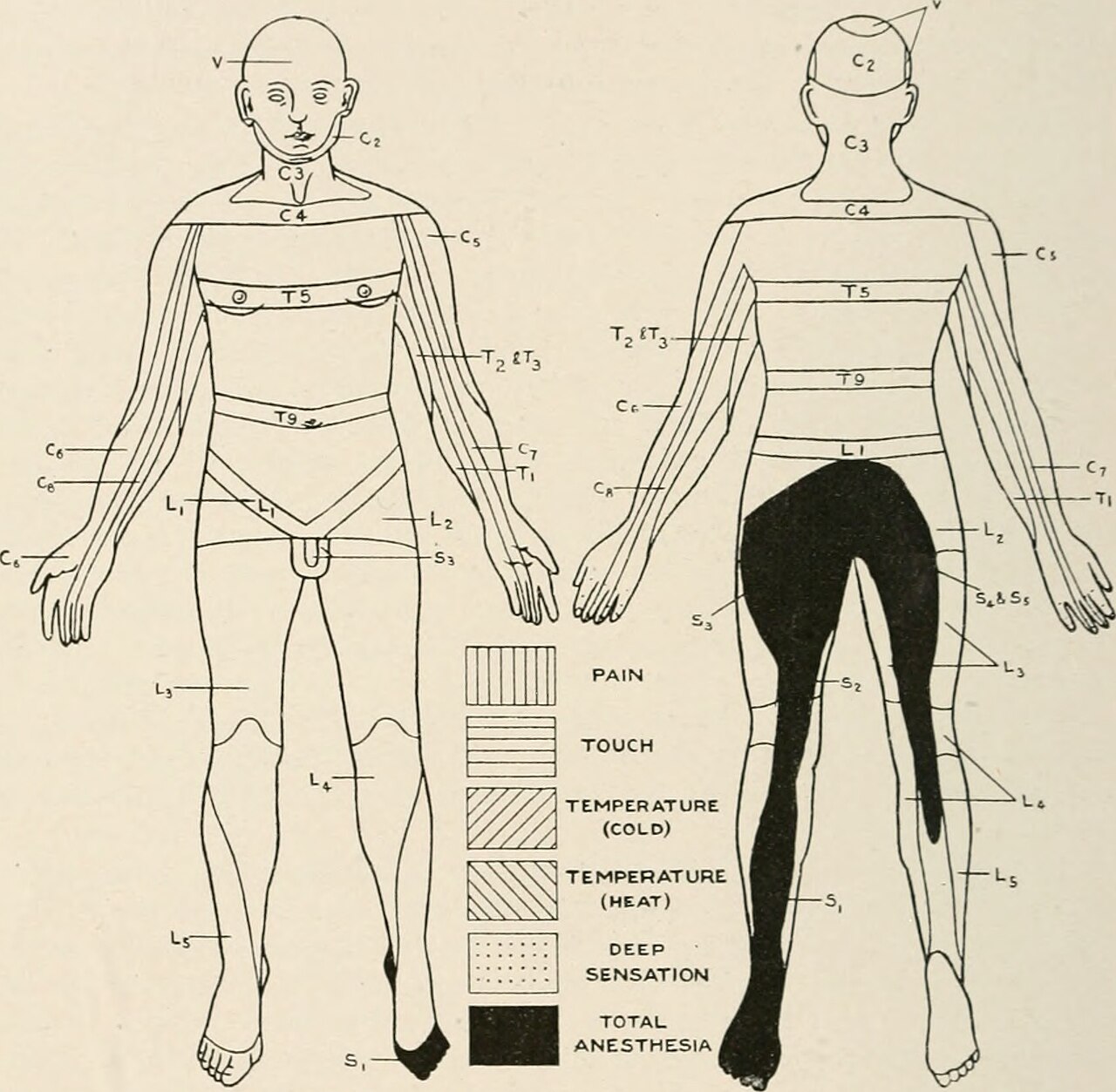
During a neurological examination, the neurologist reviews the patient’s health history, focusing on neurological complaints, then performs a physical exam. This typically tests mental status, cranial nerve function (including vision), strength, coordination, reflexes, sensation, and gait. The results help determine if the problem lies in the nervous system and its clinical localization—the key process for developing a differential diagnosis. Further tests may confirm the diagnosis and guide therapy. Common imaging studies include CT scans and MRI. Other tests for muscle and nerve function include nerve conduction studies and electromyography.
Neurologists examine patients referred by other physicians in both inpatient and outpatient settings. They begin with a comprehensive medical history and a physical exam focused on the nervous system, assessing cognitive function, cranial nerves, motor strength, sensation, reflexes, coordination, and gait. Additional diagnostic tests may be ordered, such as CT scans, MRI, ultrasound of head and neck blood vessels, electroencephalography (EEG), needle electromyography (EMG), nerve conduction studies (NCSs), and evoked potentials. Lumbar punctures are frequently performed to evaluate cerebrospinal fluid characteristics.
- field
- Medicine
- subfield
- Neurology
- known_for
- Diagnosis and treatment of nervous system disorders
- training_duration
- 8–10 years (US/Canada)
- key_figures
- Thomas Willis, Robert Whytt, Matthew Baillie, Charles Bell, Moritz Heinrich Romberg, Duchenne de Boulogne, William A. Hammond, Jean-Martin Charcot, C. Miller Fisher, John Hughlings Jackson
Lore & Background
The academic discipline of neurology began between the 17th and 18th centuries with the work and research of many neurologists such as Thomas Willis, Robert Whytt, Matthew Baillie, Charles Bell, Moritz Heinrich Romberg, Duchenne de Boulogne, William A. Hammond, Jean-Martin Charcot, C. Miller Fisher and John Hughlings Jackson.
Reader's Guide
Neurology is a nonsurgical specialty; its corresponding surgical specialty is neurosurgery. Neurologists diagnose and treat myriad neurologic conditions, including stroke, epilepsy, movement disorders such as Parkinson's disease, brain infections, autoimmune neurologic disorders such as multiple sclerosis, sleep disorders, brain injury, headache disorders like migraine, tumors of the brain and dementias such as Alzheimer's disease. Neurologists may also have roles in clinical research, clinical trials, and basic or translational research. Training varies by country: in the United States and Canada, neurologists complete four years of medical school, four years of residency, and an optional one to two years of fellowship. In Germany, a compulsory year of psychiatry must be done to complete a residency of neurology. In the United Kingdom and Ireland, neurology is a subspecialty of general internal medicine. The field continues to evolve with advances in genetic testing and neuroimaging.
Did You Know?
- Neurology derives from Greek νεῦρον (neûron), 'string, nerve' and the suffix -logia, 'study of'.
- Neurologists may order tests such as CT scans, MRI, EEG, EMG, nerve conduction studies, and lumbar punctures.
- Some neurologists specialize in subspecialties including brain injury medicine, epilepsy, sleep medicine, and neurocritical care.
- In the US and Canada, neurologists typically complete eight to ten years of training after medical school.
The Scope of Neurological Medicine
Neurology stands as a distinct branch of medicine dedicated entirely to the brain, spinal cord, and peripheral nerves. The term itself traces back to the Greek word "neûron," meaning string or nerve, paired with the suffix denoting "study of." What sets neurology apart in the medical landscape is its strictly nonsurgical identity; when intervention requires the operating room, that falls under the separate specialty of neurosurgery. Neurologists draw heavily on neuroscience—the broader scientific investigation of the nervous system—and apply various neurotherapeutic techniques in their practice. The conditions they manage span an enormous range: from acute events like stroke and brain infections to chronic, progressive diseases such as Parkinson's disease, multiple sclerosis, and Alzheimer's dementia. They also address epilepsy, migraine, sleep disorders, brain tumors, and traumatic brain injury. Beyond direct patient care, neurologists frequently contribute to clinical research, participate in clinical trials, and engage in basic or translational research that pushes the boundaries of what is understood about the nervous system.
Historical Roots and Pioneering Minds
The academic discipline of neurology did not emerge overnight but crystallized gradually between the seventeenth and eighteenth centuries through the contributions of numerous physicians and researchers. The Neo-Latin term "neurologia" appeared in texts as early as 1610, originally carrying an anatomical focus on nerves—sometimes ambiguously understood as blood vessels. Thomas Willis is particularly notable for preferring the Greek-derived form "νευρολογία" over the Latin variant. A constellation of figures shaped the field's early identity: Robert Whytt, Matthew Baillie, and Charles Bell each contributed foundational observations, while Moritz Heinrich Romberg and Duchenne de Boulogne advanced clinical neurology in the nineteenth century. In the English-speaking world, William A. Hammond and John Hughlings Jackson made significant contributions, and Jean-Martin Charcot became a towering figure in linking clinical observation to neurological science. More recently, C. Miller Fisher's work further refined the field's understanding. Together, these practitioners transformed neurology from a loosely defined anatomical curiosity into a rigorous medical specialty with its own diagnostic language and therapeutic framework.
The Long Road to Specialization
Becoming a neurologist demands a substantial investment of time and education. In the United States and Canada, the path begins with four years of medical school, followed by a four-year residency in neurology whose first year is devoted to internal medicine training. An optional fellowship of one to three years then allows physicians to narrow their focus into a specific subspecialty. Altogether, the average neurologist completes eight to ten years of post-graduate training. The subspecialty landscape is remarkably broad, encompassing areas such as epilepsy, neuroimmunology, movement disorders, neurocritical care, vascular neurology, behavioral neurology, neurooncology, and neurorehabilitation. International training structures differ meaningfully. In Germany, a compulsory year of psychiatry is woven into the neurology residency. In the United Kingdom and Ireland, neurology is formally a subspecialty of internal medicine; after five years of medical school and two years as a Foundation Trainee, aspiring neurologists must pass the Membership of the Royal College of Physicians examination and complete two years of core medical training before entering specialist neurology training. A research component is considered essential, and a higher academic degree aids career progression.
The Art and Science of Neurological Diagnosis
At the heart of neurological practice lies a meticulous examination process designed to localize pathology within the nervous system. The neurologist begins by taking a comprehensive medical history, paying particular attention to the patient's specific neurologic complaints. The physical examination then systematically assesses mental status, cranial nerve function including vision, motor strength, coordination, reflexes, sensation, and gait. This structured approach allows the physician to determine whether a problem truly resides in the nervous system and, crucially, where within it the lesion is located. Localization of the pathology is described as the key process through which neurologists build their differential diagnosis. When clinical findings require confirmation, a suite of adjunctive tests comes into play: computed tomography and magnetic resonance imaging for structural assessment, ultrasound of the head and neck vasculature, and neurophysiologic studies such as electroencephalography, needle electromyography, nerve conduction studies, and evoked potentials. Lumbar puncture to analyze cerebrospinal fluid remains a frequently performed procedure. More recently, advances in genetic testing have become an important tool for classifying inherited neuromuscular diseases and diagnosing neurogenetic conditions, while research into genetic influences on acquired neurologic diseases continues to expand.
Gallery

Frequently Asked Questions
Who is Neurology?
Neurology is the branch of medicine focused on diagnosing and managing disorders that affect the brain, spinal cord, and peripheral nerves. It operates within the broader medical field and leans heavily on neuroscience as its underlying scientific framework.
What are Neurology's powers/role?
A neurologist investigates, identifies, and treats conditions ranging from stroke and epilepsy to movement disorders and peripheral neuropathies. The specialty employs a toolkit of neurotherapeutic techniques grounded in the study of how the nervous system functions.
How does Neurology's story end?
There is no fixed ending—Neurology is a living, evolving specialty whose narrative continues as new imaging technologies, genetic insights, and therapeutic approaches reshape how nervous-system diseases are understood and treated.
Why is Neurology important?
Because the nervous system orchestrates nearly every bodily function, Neurology addresses ailments that can fundamentally alter a person's cognition, movement, and sensory experience. Without this dedicated field, conditions such as multiple sclerosis, ALS, and complex migraine would lack targeted diagnostic and management pathways.
Who are Neurology's key mentors and ancestors?
Foundational figures like Jean-Martin Charcot, John Hughlings Jackson, and Charles Bell laid the groundwork for understanding neurological function in the 18th and 19th centuries. Later contributors such as C. Miller Fisher and Moritz Heinrich Romberg further expanded the field's diagnostic and therapeutic reach into the modern era.
More in Medical Specialties 1-15
Spotted an error? Know more?
This is a living reference — every entry is fact-audited, and reader corrections feed straight into our audit queue. Suggest an edit · See this site's audit record