
Newspaper
Periodical publication of current events, often printed on newsprint.

Freekhou5 · CC BY-SA 4.0
A newspaper is a periodical publication containing written information about current events, typically printed in black ink on white or gray paper. Newspapers cover a wide variety of fields such as politics, business, sports, art, science, and religions, and often include opinion columns, weather forecasts, obituaries, crosswords, and comic strips. Most newspapers are businesses that pay expenses with subscription revenue, newsstand sales, and advertising revenue, and they have traditionally been published in print on low-grade paper called newsprint, though many now also publish online or have abandoned print entirely.
Newspapers first emerged in the 17th century as information sheets for merchants. By the early 19th century, many cities across Europe, North America, and South America had their own papers. They are typically published daily or weekly, with general-interest papers carrying national, international, and local news. The news covers political events, business and finance, crime, weather, natural disasters, health, science, technology, sports, entertainment, society, food, fashion, and the arts. Papers are usually divided into labeled sections (A, B, C, etc.) with pagination prefixes. Most traditional papers include an editorial page with editorials written by the editorial board, opinion articles called op-eds by guest writers, and columns expressing personal opinions of columnists. Articles without bylines are written by staff writers. Additional content includes criticism and reviews of arts and local services, birth notices, graduation announcements, horoscopes, editorial cartoons, gag cartoons, advice columns, food columns, and radio and television listings. Classified ad sections allow people and businesses to sell goods or services, though online alternatives like Craigslist and eBay have significantly reduced classified ad sales. Newspapers often subscribe to news agencies such as the Associated Press, Reuters, or Agence France-Presse to avoid duplicating reporting costs. Some newspapers with high editorial independence, journalism quality, and large circulation are considered newspapers of record. The decline of newspapers in the early 21st century is not simply a print-versus-digital contest; newspapers now routinely have online presence, and factors such as the loss of classified advertising revenue and the dispersal of ad impressions
- first_known_newspaper
- 17th century
- typical_frequency
- Daily or weekly
- worldwide_annual_revenue_2016
- $53 billion
Lore & Background
Newspapers are periodicals that present current events, typically printed in black ink on a white or gray background. They cover a broad spectrum of topics, including politics, business, sports, art, science, and religion, and often feature opinion columns, weather forecasts, reviews, obituaries, birth notices, puzzles, editorial cartoons, comic strips, and advice columns. Physically, newspapers have traditionally been published on cheap, low-grade paper known as newsprint. Most newspapers are businesses funded by a combination of subscription revenue, newsstand sales, and advertising, though some are government-run or government-funded. The journalism organizations that produce them are often themselves called newspapers. Newspapers are typically divided into sections (labeled A, B, C, etc.) for major groupings like national and international news, local news, business, sports, and entertainment. They include editorials expressing the paper’s opinion, op-eds by guest writers, and columns offering analysis. Many newspapers also subscribe to news agencies like the Associated Press or Reuters to avoid duplicating reporting costs. While traditionally print-based, most newspapers now also publish online, and some have abandoned print entirely. The decline of newspapers in the early 21st century is not simply a print-versus-digital issue; factors include the loss of classified ad revenue to online platforms and the dispersal of ad impressions across many media.
Reader's Guide
Newspapers have been a primary means of disseminating news and information for centuries, evolving from 17th-century merchant information sheets to modern digital publications. Their significance lies in their role as a public record of current events, offering a mix of news, opinion, and entertainment. The decline of print newspapers in the early 21st century reflects broader shifts in advertising and readership habits, with many newspapers now maintaining online editions. Despite challenges, newspapers remain important for journalism, with some achieving high editorial independence and being viewed as newspapers of record.
Did You Know?
- Newspapers developed in the 17th century as information sheets for merchants.
- Many newspapers subscribe to wire services like the Associated Press, Reuters, or Agence France-Presse to avoid duplicating reporting costs.
The Role and Its Many Names
A media proprietor—sometimes referred to as a media executive, media mogul, media tycoon, or press baron—is fundamentally an entrepreneur who wields control over channels of public or commercial mass communication. This control can take the form of direct personal ownership or a dominant position within a larger media conglomerate or enterprise. The scope of what qualifies as 'mass media' under this definition is broad, encompassing any means through which information reaches wide audiences. In more recent years, the boundary has stretched further still: individuals who have accumulated enormous followings on social platforms, such as influencers and entertainers, are increasingly classified under this umbrella. Even those who hold significant sway over a large media-based forum may be described as business magnates, blurring the line between traditional ownership and influence-driven reach.
From Print to Multimedia: A Century of Expansion
The prominence of newspaper proprietors in the United States traces back to the 19th century, when the rise of mass-circulation newspapers created a new class of owners who could shape public discourse at scale. By the 20th century, the landscape had transformed dramatically. Proprietorship was no longer confined to print; it stretched to encompass radio and television networks, film studios, publishing houses, and eventually online platforms and other multimedia enterprises. This broadening of scope prompted a shift in language as well. The older label 'press baron,' rooted in the newspaper era, gave way to 'media baron' and, in everyday speech, to 'media mogul.' When the focus narrowed to the American film industry specifically, the colloquial term 'Hollywood mogul' took hold. Each successive wave of technology—broadcasting, cinema, digital—redefined what it meant to control the flow of information.
Editorial Independence and the Question of Neutrality
A persistent tension surrounds the role of the media proprietor. Owners of publications frequently assert that their outlets maintain editorial independence and remain unbiased in their reporting. Yet this claim is routinely questioned by observers, critics, and the public. The very structure of ownership—where a single individual or entity holds dominant control over a media enterprise—raises legitimate concerns about whether content can remain free from the proprietor's interests, whether commercial or ideological. This skepticism is not new; it has accompanied the role since proprietors first gained prominence in the 19th-century newspaper world. The question has only grown more complex as ownership structures have diversified across radio, television, film, publishing, and digital platforms, making it harder for audiences to trace the full chain of influence behind any given publication or broadcast.
The Digital Age Redefines Who Counts
The advent of social media has fundamentally expanded the definition of who qualifies as a media proprietor. Influencers and entertainers who have amassed large followings on digital platforms are now considered to occupy a similar position of influence, even though they may not own a traditional newspaper, broadcast network, or studio. Social networking services themselves—Facebook being a frequently cited example—are sometimes classified as media companies precisely because of their widespread influence over public information flows. This shift reflects a broader cultural recognition that control over a large media-based forum, whether through ownership of a physical enterprise or through the accumulation of digital audiences, constitutes a form of media power. The traditional gatekeepers of the 19th and 20th centuries now share the conceptual space with creators who never set foot in a newsroom but command attention on a comparable scale.
Gallery
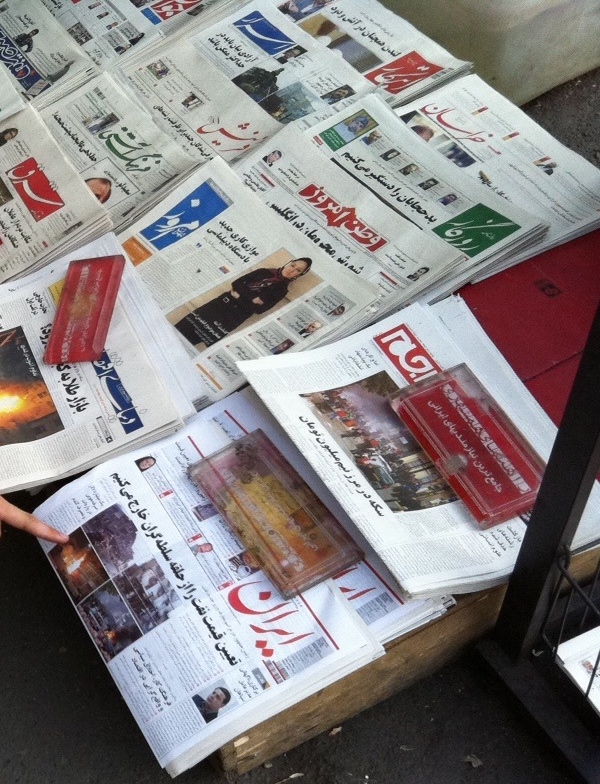



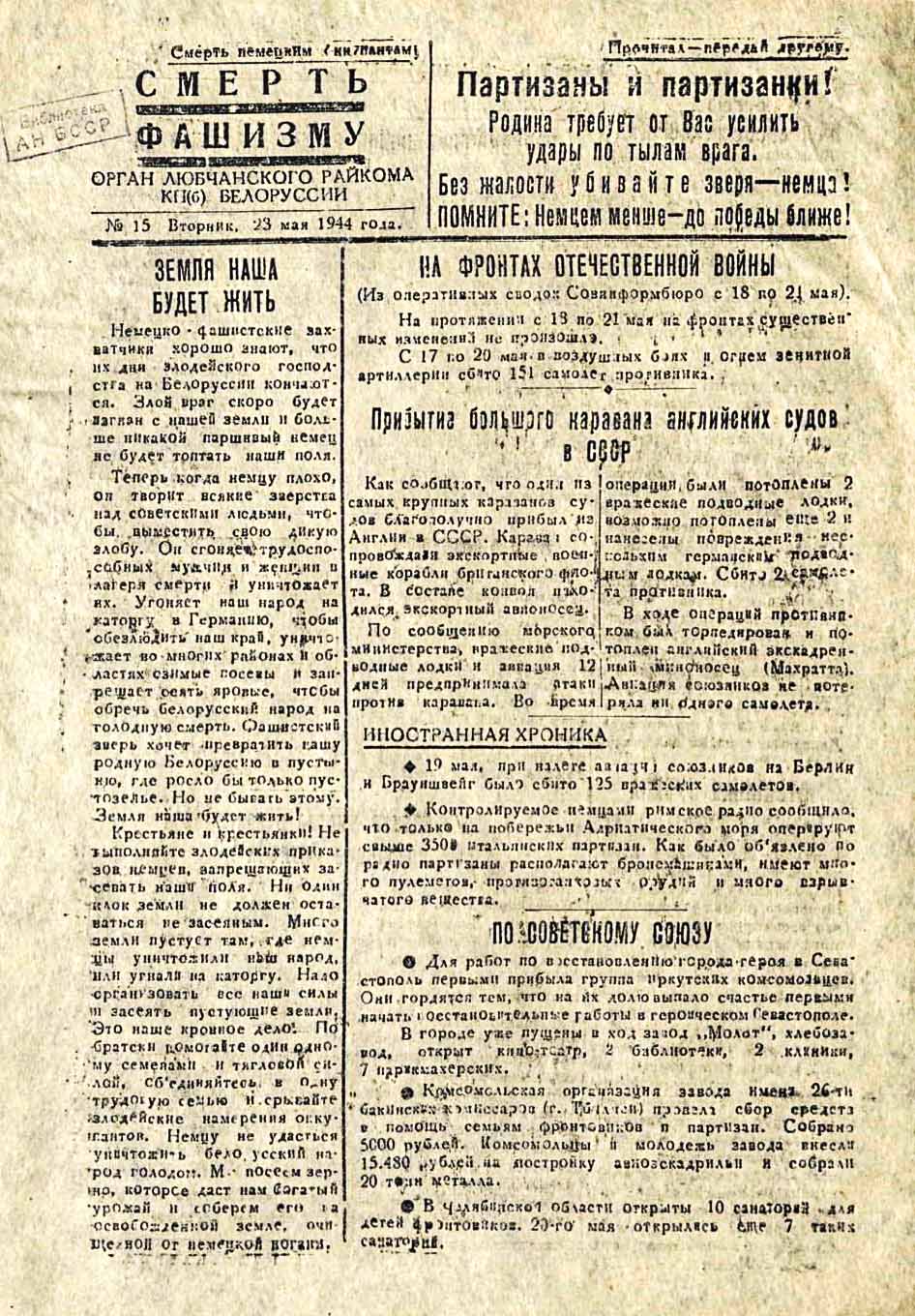
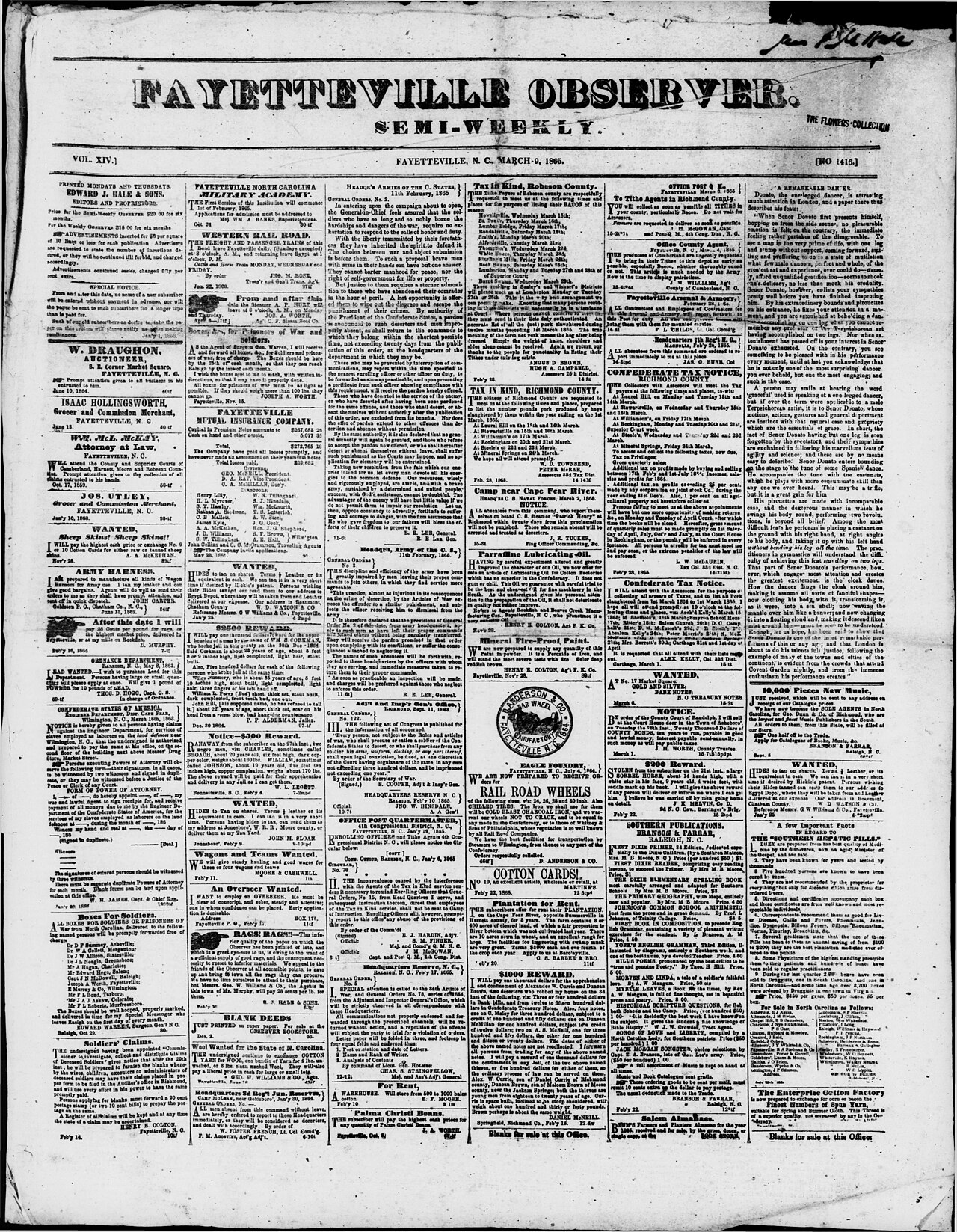
Frequently Asked Questions
What is a newspaper?
A newspaper is a regularly issued periodical that reports on current events across fields like politics, business, sports, science, and culture. It traditionally appears in print on newsprint but is now also widely available in digital form.
How do newspapers generate revenue?
Most newspapers operate as businesses sustained by a combination of subscription fees, newsstand sales, and advertising income.
How often are newspapers published?
The standard cadence is daily or weekly, though some titles appear on a biweekly or monthly schedule depending on their scope and target audience.
More in Media And Publishing 1-24
Spotted an error? Know more?
This is a living reference — every entry is fact-audited, and reader corrections feed straight into our audit queue. Suggest an edit · See this site's audit record