Beppu
A Japanese city renowned for its hot springs and geothermal wonders.
Last updated
Where it is
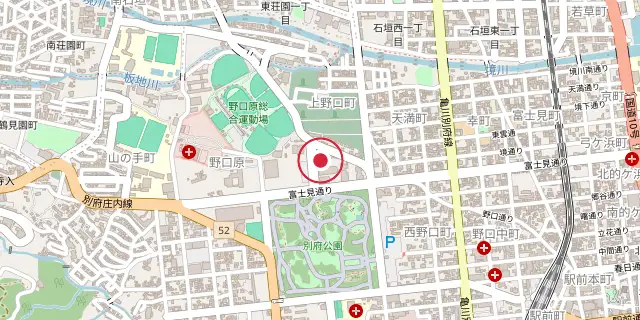
Coordinates: 33°17′06″N 131°29′28″E (33.2850, 131.4910) · Open in OpenStreetMap
Coordinates and connected clubs: the infobox of Wikipedia: Beppu (CC BY-SA 4.0). Map: drawn by Codexery from OpenStreetMap tiles.
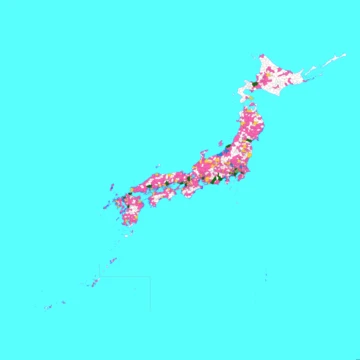
Beppu is a city located in Ōita Prefecture, Japan, situated at the west end of Beppu Bay. It is famous for its numerous hot springs and has been a prominent tourist destination since the late 19th century. In 2024, Beppu celebrated its centenary as a city.
Lore & Background
The area of Beppu was part of ancient Bungo Province. During the Kamakura period, its hot springs began to be used as a health resort for wounded samurai. Beppu Port opened on May 30, 1871, with connections to Osaka and other ports, and served as a logistics hub for the Imperial Japanese Army during the Satsuma Rebellion of 1877. Hot spring development as a tourist destination began in earnest from 1879 with the opening of Takegawara Onsen.
The village of Beppu was established on May 1, 1889, raised to town status on April 11, 1893, and merged with Hamawaki Town on April 1, 1906. Beppu Station opened on July 16, 1911, and a regular seaplane route to Osaka began on July 15, 1923. Beppu was raised to city status on April 1, 1924, with a total population of 32,276.
After the Allied Occupation in 1945, Camp Chicamauga (present-day Beppu Park) was established as the regional headquarters. The camp closed in December 1957 and was transferred to the local GSDF garrison; the site reopened as a park in 1979. The city has a mayor-council form of government with a directly elected mayor and a unicameral city council of 25 members. Beppu contributes five members to the Ōita Prefectural Assembly and is part of the Ōita 3rd district of the lower house of the Diet of Japan.
Reader's Guide
Beppu's significance lies primarily in its geothermal resources and tourism industry. The city is famous for its eight major hot spring areas—Beppu Onsen, Kankaiji, Kamegawa, Shibaseki, Kannawa, Myoban, Horita, and Hamawaki—collectively known as the 'Beppu Hatto.' There are over 150 individual onsen facilities for bathing, and an onsen stamp rally awards the title of 'onsen expert' to those who collect 88 stamps.
Notable bathing facilities include Takegawara Onsen, Myoban Yunosato Onsen, and Hyotan Onsen. The 'Hells of Beppu' are hot springs for viewing rather than bathing, including Oniyama Jigoku and Umi Jigoku, with five located in Kannawa district and two in Shibaseki district. Beppu also offers sand and foot baths, though the Beppu Kaihin Sunayu has been closed for redevelopment since April 2023 with reopening scheduled for 2025.
Other attractions include Beppu Park (opened 1979), the Beppu Fireworks Festival in late July, and the Beppu Contemporary Art Festival 'Mixed Bathing World' held every three years. Beppu Tower opened in May 1957, and the Beppu Ropeway connecting to Mount Tsurumi opened in December 1962.
The city is part of the course of the annual Beppu-Ōita Marathon, held since 1952 and classed as an IAAF Silver Label road race. Beppu is also the destination of the '100km Walk' from Yukuhashi. The city has sister city relationships with Atami (Japan), Bath (England), and Beaumont (Texas).
More in Japanese Cities
Sources
Compiled from Wikipedia and the sources listed below. Text from Wikipedia is available under CC BY-SA 4.0; this entry is adapted from it.
- Wikipedia: Beppu (CC BY-SA 4.0).
Spotted an error? Know more?
Reader corrections go straight into our review queue. Suggest an edit · How this site is sourced