
Kriminal (film)
A 1966 Italian superhero film based on a comic.

NickGam · CC BY-SA 4.0
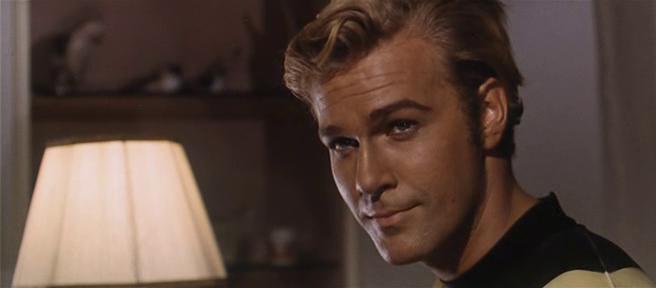
Kriminal is a 1966 superhero film written and directed by Umberto Lenzi. The story centers on a thief and murderer named Kriminal, played by Glenn Saxson, who breaks out of prison and is hunted by Inspector Milton, portrayed by Andrea Bosic. A sequel, *Il marchio di Kriminal*, followed.
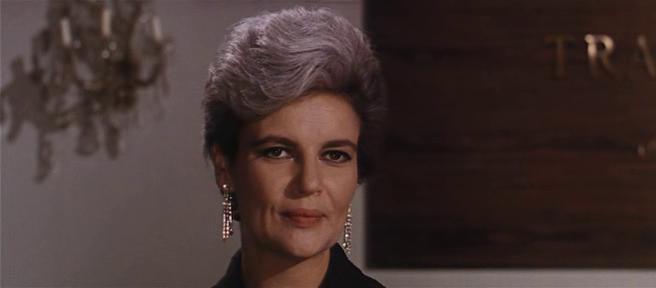
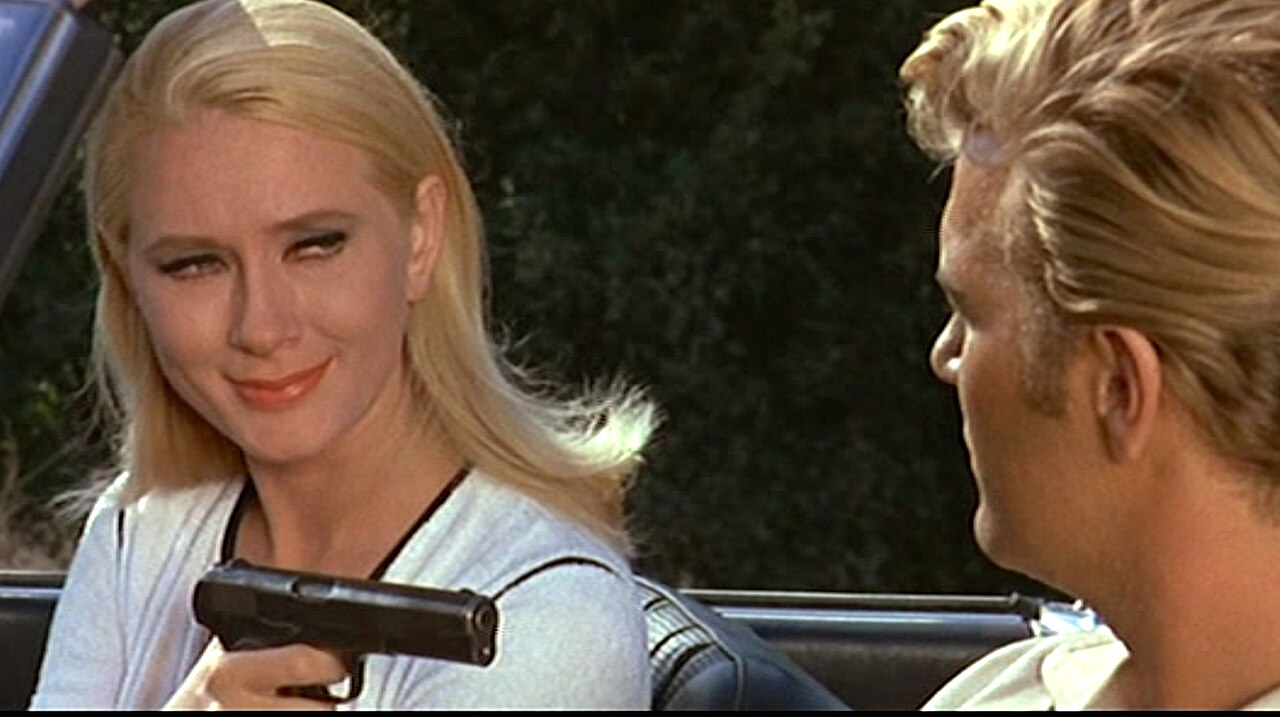
The cast also includes Helga Liné as Inge-Trude, Esmeralda Ruspoli as Lady Gold, Mary Arden as Gloria Farr, and Ivano Staccioli as Alex Lafont.
The film originated from the *fumetti neri* comic series *Kriminal*, which launched in August 1964. These comics featured sex and violence, with the title character seducing and then killing women to hide his identity. Lenzi initially wanted to adapt the comic *Diabolik* but could not secure the rights, which had been bought by Dino De Laurentiis. He then tried adapting *Satanik* before settling on *Kriminal*. Lenzi clashed with the character's creator, Luciano Secchi, over changes he made, later describing his version as "a bit Nazi-skin fascist" but calling the result a fun film. He chose a lighter tone than the comics' mix of sex and violence.
The lead role went to Dutch actor Roel Bos, using the stage name Glenn Saxson, who had previously starred in Spaghetti Westerns like *Go with God, Gringo*. Bos screen-tested for Lenzi, who wanted a younger Kriminal than the comic version. Filming took about two months, with interiors shot in Rome and exteriors in Madrid, Istanbul, the Black Sea, and London. Most physical stunts were performed by Bos's double, Attilio Serverini, except for a dangerous sequence where Kriminal runs atop a speeding train.
Released in 1966, the film was described by historian Roberto Curti as "moderately successful," leading to a 1967 sequel directed by Fernando Cerchio. In Spain, it was released on April 28, 1969, as *La máscara de Kriminal*. As of 2016, no official English-language DVD existed.
In a retrospective review, Curti called the film "fast, fun and entertaining overall, but also disappointingly tame," noting it lacked the comic's irreverent attitude and political incorrectness, resembling travelogue James Bond imitations of the era. Lenzi later said that when he rewatched it on television, it seemed better than when he shot it: he had been perplexed then but now appreciated its irony, which the "vulgar, horrible" comic strips lacked.
Quick Facts
- Director
- Umberto Lenzi
- Producer
- <!-- or
- Starring
- Glenn Saxson / Helga Liné / Andrea Bosic / Ivano Staccioli / Esmeralda Ruspoli
- Released
- 1966 · 1969 · 4 · 28 · Spain
- Language
- Italian
Facts from the source article.
Lore & Background
The film originated from the fumetti neri series Kriminal, which began publication in August 1964 and often contained themes of sex and violence. Director Umberto Lenzi initially wanted to adapt Diabolik but could not obtain the rights, which had been purchased by Dino De Laurentiis. He then attempted an adaptation of Satanik before settling on Kriminal. Lenzi argued with Kriminal's creator Luciano Secchi about changes he made to the character, which Lenzi later described as 'a bit Nazi-skin fascist. We made a fun film.' Lenzi opted for a lighter tone compared to the comic's sex and violence.
The lead role was played by Dutch actor Roel Bos under the name Glenn Saxson, who had previously starred in Spaghetti Westerns. Bos performed a screen test for Lenzi, who wanted a younger portrayal of Kriminal. Shooting lasted approximately two months, with interiors shot in Rome and exteriors in Madrid, Istanbul, the Black Sea, and London. Most physical stunts were performed by Bos' double Attilio Serverini, except for a dangerous sequence involving Kriminal running atop a speeding train.
Reader's Guide
Kriminal was released in 1966 and described by film historian Roberto Curti as 'moderately successful,' leading to a sequel, Il marchio di Kriminal, directed by Fernando Cerchio, released the following year. The film was released in Spain on April 28, 1969, as La máscara de Kriminal. As of 2016, no official English-language DVD had been released.
In a retrospective review, Curti wrote that Kriminal is 'fast, fun and entertaining overall, but it is also disappointingly tame,' lacking the comic's 'tongue-in-cheek attitude and political uncorrectness' and resembling 'travelogue James Bond rip-offs.' Lenzi later noted that when he re-watched the film on television, it 'seemed even better than when I shot in 1966: then I was a bit perplexed, now I appreciate the aspect of irony in it, something which comic strips didn't have because they were vulgar, horrible.' The film remains a notable entry in Italian comic book adaptations of the 1960s.
Did You Know?
- The film was directed and written by Umberto Lenzi.
- As of 2016, there had been no official English-language DVD of Kriminal.
From Comic Pages to Silver Screen
The 1966 film Kriminal traces its roots to the fumetti neri genre, a wave of Italian comics that began publication in August 1964. These graphic stories were notorious for their unapologetic blend of sexuality and graphic violence, with the title character frequently depicted seducing scantily clad women before strangling or stabbing them to conceal his identity. Director Umberto Lenzi originally set his sights on adapting Diabolik, another iconic fumetti neri villain, but found the rights already secured by Dino De Laurentiis. He next explored adapting Satanik before ultimately landing on Kriminal. The choice proved contentious: Lenzi clashed with the character's creator, Luciano Secchi, over the alterations he made to the source material. Lenzi later characterized the comic-book Kriminal as "a bit Nazi-skin fascist" and emphasized that his goal was simply to "make a fun film." In a deliberate departure from the source, he stripped away the explicit sexual violence in favor of a considerably lighter, more playful tone.
The Man Behind the Mask
The role of Kriminal was filled by Dutch actor Roel Bos, who performed under the screen name Glenn Saxson. Before taking on this part, Bos had already established himself in the Spaghetti Western genre, starring in films such as Go with God and Gringo. He underwent a screen test specifically for Lenzi, who envisioned a younger, more agile version of the character than the one readers knew from the fumetti pages. Opposite him, Andrea Bosic played Inspector Milton, the relentless pursuer chasing Kriminal after his prison escape. The supporting cast included Helga Liné as Inge-Trude, Esmeralda Ruspoli as Lady Gold, Mary Arden as Gloria Farr, and Ivano Staccioli as Alex Lafont. Much of the film's physical action was handled by Bos' stunt double, Attilio Serverini, who performed the majority of the dangerous sequences. The one notable exception was a particularly perilous scene in which Kriminal sprints across the roof of a speeding train, a feat Bos himself carried out.
Critical Reception and Reappraisal
Film historian Roberto Curti offered a measured assessment of Kriminal, calling it "moderately successful" while simultaneously noting it was "fast, fun and entertaining overall, but it is also disappointingly tame." In his retrospective review, Curti observed that the film lacked the tongue-in-cheek irreverence and political uncorrectness that defined the original comics. He further suggested that much of the production resembled the wave of travelogue-style James Bond imitations that were saturating screens in the mid-1960s. Lenzi himself, however, grew to appreciate the film more with time. When he rewatched it on television years after its 1966 production, he found it "seemed even better than when I shot in 1966." He explained that during filming he had felt "a bit perplexed," but in later years he came to recognize an element of irony in the finished product. Lenzi contrasted this with the source material, noting that the comic strips "didn't have" that ironic quality "because they were vulgar, horrible."
Production Scope and Afterlife
Principal photography for Kriminal stretched across roughly two months, with interior scenes captured in Rome and exterior sequences shot in a remarkably international array of locations including Madrid, Istanbul, the Black Sea coast, and London. This globe-trotting production design gave the film a distinctly cosmopolitan feel, fitting for a story about a thief escaping prison and evading capture across borders. The film was released in 1966 and earned enough positive reception to prompt a sequel, Il marchio di Kriminal (The Mark of Kriminal), directed by Fernando Cerchio and released the following year. In Spain, the film found a later audience under the title La máscara de Kriminal, receiving its theatrical release on April 28, 1969. Despite its international shooting locations and dual-country release, the film has remained somewhat elusive for English-speaking audiences; as of 2016, no official English-language DVD had been issued. It appears in both the lists of Italian and Spanish films of 1966, reflecting its cross-border production and distribution.
Gallery
Frequently Asked Questions
Who wrote and directed Kriminal (1966)?
Umberto Lenzi handled both the screenplay and the directorial chair for this 1966 Italian production. The film is classified as a superhero picture.
Who is the character Kriminal and who portrays him?
Glenn Saxson, also credited under the name Roel Bos, plays the title character, a thief and murderer. After escaping from prison, he becomes the quarry of Inspector Milton, played by Andrea Bosic.
What is the basic plot of Kriminal?
The narrative tracks Kriminal's prison break and the subsequent manhunt led by Inspector Milton. A supporting cast of women—including Inge-Trude, Lady Gold, and Gloria Farr—populate the world around the central chase.
What source material did Kriminal (1966) draw from?
The film adapts the Kriminal fumetti neri comic strip, which first appeared in August 1964. Those comics were noted for mixing sexual content with graphic violence centered on the eponymous antihero.
Did Kriminal get a sequel?
Yes, a follow-up film titled Il marchio di Kriminal was produced after the 1966 original.
More in Italian superhero films 1-24
Spotted an error? Know more?
Reader corrections go straight into our review queue. Suggest an edit · How this site is sourced