Gentian liqueur
A bitter, herbal liqueur distilled from gentian roots.
Last updated
Gentian liqueur is a clear spirit produced from the roots of the gentian plant, known in Italy as genziana. It is typical of several Italian regions, especially Trentino and Alto Adige, and also of parts of France, where it is called liqueur de gentiane. In Abruzzo, a digestif also called genziana is made by steeping gentian roots in white wine without distillation.
Quick Facts
- Alcohol by volume (typical)
- 15 to 20 percent
- Color range
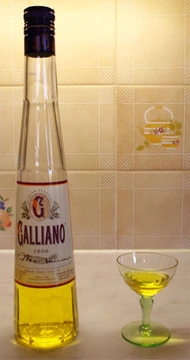
- Colorless or pale straw to bright, clear yellow
- Primary gentian species used
- Yellow gentian (Gentiana lutea)
- Oldest german gentian distillery
- Enzianbrennerei Grassl in Berchtesgaden, Bavaria (since 1692)
Facts from the source article.
History
The history of gentian liqueur is a matter of some debate. The earliest known production dates to the 1600s in Bavaria, Germany, where it is called Enzian. The liqueur later gained popularity in the French Alps, in what is now Auvergne-Rhône-Alpes.
Written records of gentian as a drink appear there around the late 1700s, but it only became prominent in the late 1800s. This followed the invention of the continuous still, which enabled the creation of neutral spirits for infusing botanicals like gentian. Initially sold as medicinal bitter tonics, these liqueurs eventually found favor as aperitifs.
Production
Gentian liqueur is made by macerating gentian root in alcohol and then distilling the mixture. After distillation, other herbs and botanicals are typically added, and sugar may be included for sweetness. Yellow gentian (Gentiana lutea) is the most commonly used species, though roots from purple, Hungarian, or spotted gentian are also used occasionally. In Europe, harvesting wild gentian root is strictly controlled, so most root used in production is cultivated.
Properties
Gentian liqueur gets its bitterness from the root, which brings a dusty earthiness, dry floral notes, and a vegetal character. It’s grassy and not terribly bitter, with a signature tangy edge. Alcohol content usually falls between 15 and 20 percent. The color can be clear or pale straw, or a bright, clear yellow.
Did You Know?
- As a pure distillation product of fermented gentian roots, gentian is classified as a spirit and must contain at least 37.5 percent alcohol by volume under EU regulations.
More in Italian Liqueurs
Sources
Compiled from Wikipedia and the sources listed below. Text from Wikipedia is available under CC BY-SA 4.0; this entry is adapted from it.
- Wikipedia: Gentian liqueur (CC BY-SA 4.0).
Spotted an error? Know more?
Reader corrections go straight into our review queue. Suggest an edit · How this site is sourced