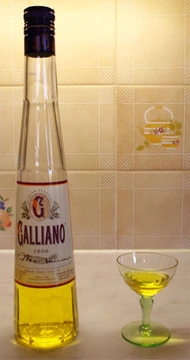
Sambuca
An Italian anise liqueur with varied serving traditions.
Last updated
Sambuca is an Italian anise-flavoured liqueur. Its most common variety is known as white sambuca, while other varieties include deep blue black sambuca and bright red red sambuca. When combined with water, it may exhibit the ouzo effect.
Quick Facts
- Minimum alcohol content
- 38% alc/vol
- Origin of the term
- Latin word sambucus, meaning 'elderberry'
Facts from the source article.
Serving
Sambuca may be served neat, on the rocks, or with water, which triggers the ouzo effect from anethole in the anise. It can be consumed after coffee as an ammazzacaffè or added to coffee in place of sugar for a caffè corretto.
A shot may be served with seven coffee beans representing the seven hills of Rome, or with one bean called con la mosca. The traditional serving uses three beans symbolizing health, happiness, and prosperity; the shot may be ignited to toast the beans, with the flame extinguished before drinking. In cooking, sambuca is used sparingly in desserts and seafood recipes due to its strong flavour.
Did You Know?
- The word sambuca was first used as the name of an elderberry liquor created in Civitavecchia around 1850 by Luigi Manzi.
- Sambuca is flavoured with essential oils from star anise or, less commonly, green anise.
- Other spices such as elderflower and liquorice may be included but are not required by the legal definition.
More in Italian Liqueurs
Sources
Compiled from Wikipedia and the sources listed below. Text from Wikipedia is available under CC BY-SA 4.0; this entry is adapted from it.
- Wikipedia: Sambuca (CC BY-SA 4.0).
Spotted an error? Know more?
Reader corrections go straight into our review queue. Suggest an edit · How this site is sourced