The Trumpet
A brass instrument used in music and signaling since antiquity.
Last updated

hpgruesen · CC0
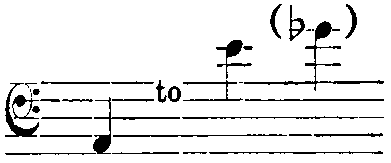
The trumpet is a brass instrument known for its bright, powerful sound. It is used in a wide variety of musical genres, from classical orchestras and concert bands to jazz ensembles and popular music, and is also a common instrument in school bands. The most common type of trumpet is a transposing instrument in B♭, with pitches sounding a whole step lower than written. The trumpet family includes instruments ranging from the piccolo trumpet, which has the highest register in the brass family, to the bass trumpet, pitched one octave below the standard B♭ or C trumpet.
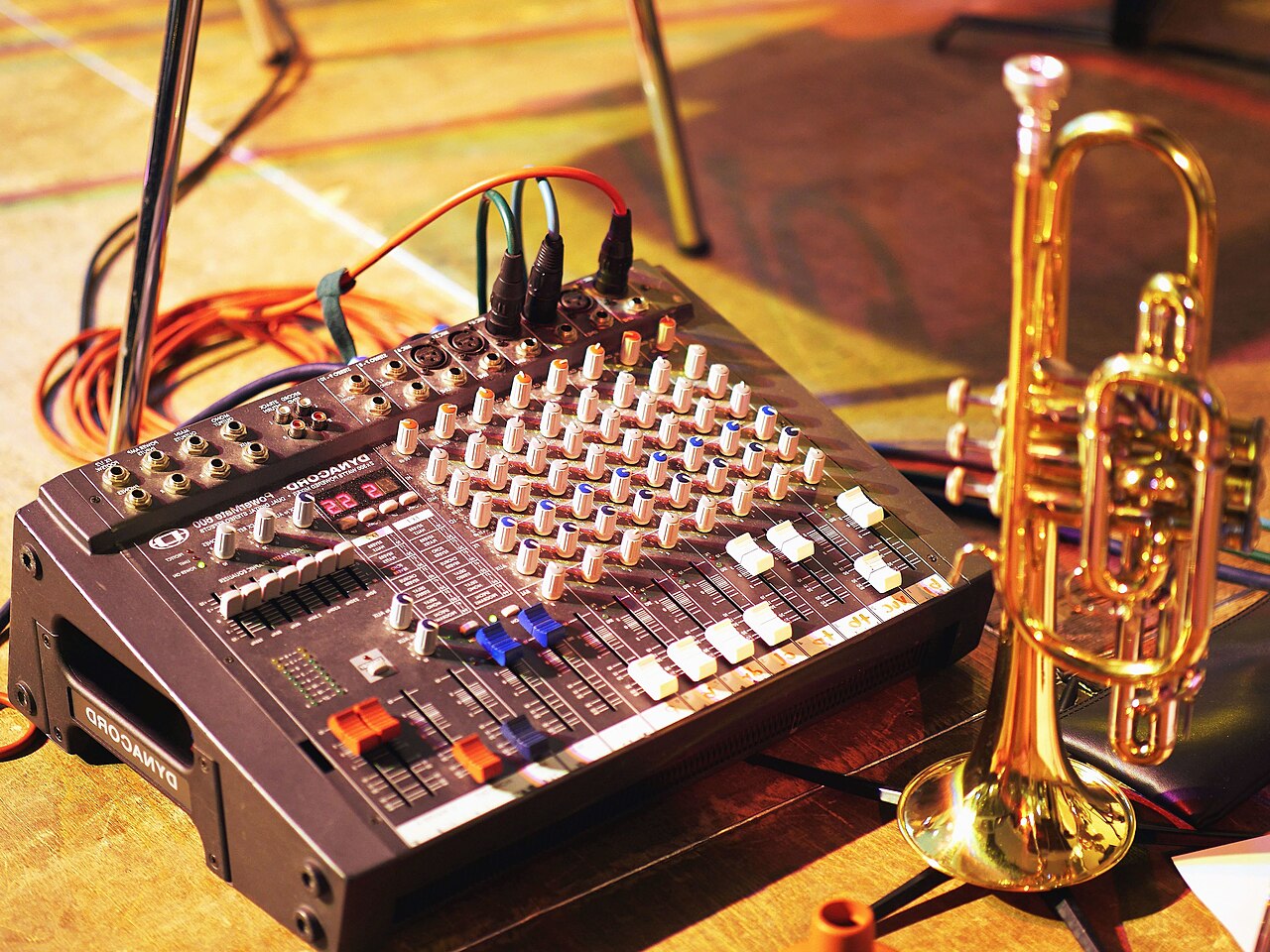
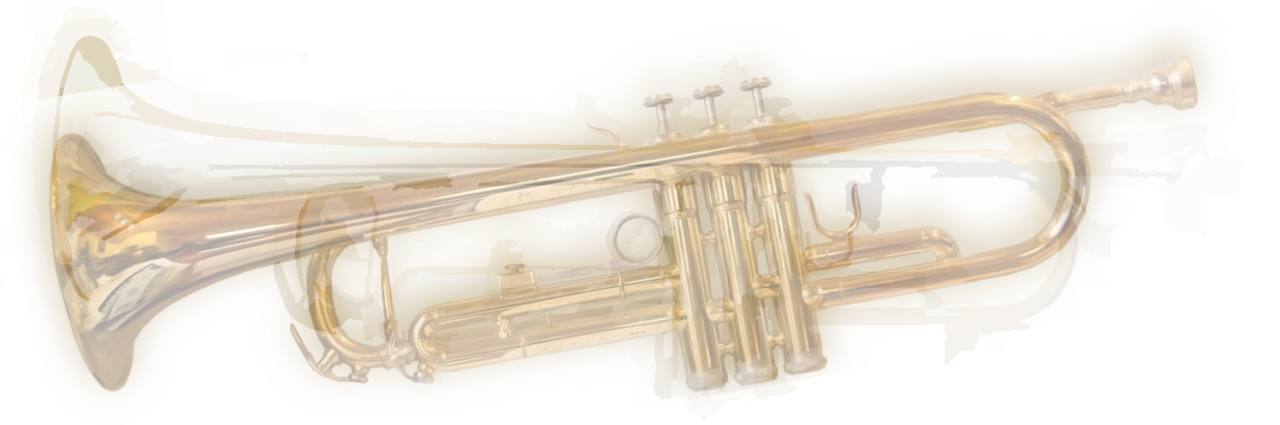
Sound is produced by vibrating the lips into a mouthpiece, which initiates a standing wave within the instrument’s air column. Since the late 15th century, trumpets have been primarily constructed from brass tubing, typically bent twice into a rounded rectangular shape. Modern trumpets generally have three or four valves—most often piston valves, though rotary valves are also used, particularly in German and German-style orchestral settings. The cornet is a similar instrument but features a conical bore, whereas the trumpet has a cylindrical bore.

Historically, trumpet-like instruments were used as signaling devices in battle or hunting as early as the 2nd millennium BC, but they began to be employed as musical instruments only in the late 14th or early 15th century. Early trumpets lacked valves and could only produce notes from a single overtone series; changing keys required the player to swap crooks. The development of the upper, or clarino, register by specialist trumpeters during the Baroque era led to a golden age for the natural trumpet, during which much music was composed for virtuoso performers. Interest in the natural trumpet was revived in the mid-20th century, and modern players sometimes use versions with vent holes to correct intonation.
Lore & Background
Trumpet-like instruments have historically been used as signaling devices in battle or hunting, with examples dating back to the 2nd Millennium BC. They began to be used as musical instruments only in the late 14th or early 15th century. The earliest trumpets include Tutankhamun's bronze and silver trumpets from his grave in Egypt, bronze lurs from Scandinavia, and metal trumpets from China.
The Oxus civilization in the 3rd millennium BC in Central Asia had trumpets with decorated swellings in the middle, made out of one sheet of metal. The natural trumpets of the late Middle Ages and Renaissance consisted of a coiled tube without valves which could only produce the notes of a single overtone series. The development of the upper, 'clarino' register by specialist trumpeters—notably Cesare Bendinelli—would lend itself well to music of the Baroque era, known as the 'Golden Age of the natural trumpet.' During the classical and romantic periods, the trumpet was relegated to a secondary role by most major composers owing to the limitations of the natural trumpet. Modern trumpets generally have three (or sometimes four) valves which are used to change their pitch.
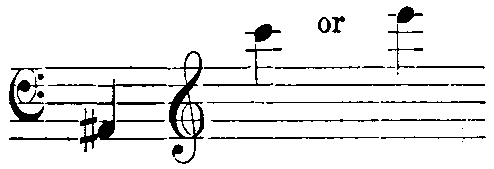
Most trumpets have piston valves, although some have rotary valves. The use of rotary-valved trumpets is more common in orchestral settings, especially in German and German-style orchestras. Sound is produced by vibrating the lips in a mouthpiece, which starts a standing wave in the air column of the instrument.
Common Misconceptions (Editorial)
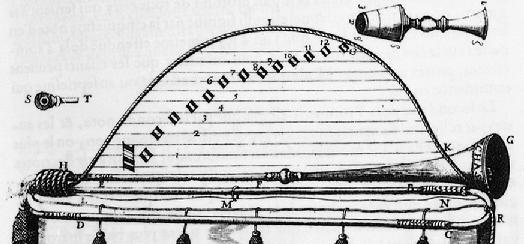
A common misconception is that the trumpet has always been primarily a musical instrument. In fact, trumpet-like instruments were historically used as signaling devices in battle or hunting and only began to be used as musical instruments in the late 14th or early 15th century. Another misconception is that all trumpets have piston valves; while most do, some have rotary valves, and the use of rotary-valved trumpets is more common in orchestral settings, especially in German and German-style orchestras.
Why It Matters (Editorial)
The trumpet's enduring appeal lies in its remarkable versatility and historical significance, spanning millennia from ancient battlefields and Olympic contests to modern concert halls and jazz clubs. Its bright, powerful sound continues to serve as a defining voice across genres, proving that a design refined over centuries can still feel essential and expressive in contemporary music.
Reader's Guide
The trumpet's significance lies in its long history as both a signaling instrument and a musical instrument, evolving from ancient battlefields and religious ceremonies to the concert hall and jazz club. Its development from natural trumpets without valves to fully chromatic modern instruments with valves allowed it to become a versatile voice in Western art music, particularly in Baroque clarino playing and later in orchestral and solo repertoire. The trumpet is also central to jazz and popular music, and its inclusion in school bands has made it widely accessible. The instrument's construction—typically of brass tubing bent twice into a rounded rectangular shape—and its use of valves to change pitch have remained consistent since the late 15th century.
The trumpet family includes the piccolo trumpet (highest register in the brass family) and the bass trumpet (pitched one octave below the standard B♭ or C trumpet). The cornet is similar but has a conical bore, while the trumpet has a cylindrical bore. The trumpet's legacy continues as a staple of diverse musical traditions worldwide.
Did You Know?
- The English word 'trumpet' was first used in the late 14th century, from Old French 'trompette'.
- The most common trumpet is pitched in B♭, with a tubing length of about 1.48 m (4 ft 10 in).
- The Salpinx was a straight trumpet 62 inches long, made of bone or bronze, and contests featuring it were part of the original Olympic Games.
Frequently Asked Questions
How does The Trumpet's transposition quirk work?
The Trumpet is a transposing instrument in B♭, so when a player reads a written C the actual sounding pitch is a B♭—a whole step lower. This built-in offset is why trumpet parts are always notated higher than the pitch the audience actually hears.
What materials make up The Trumpet's body?
The Trumpet's body is primarily formed from brass tubing, shaped into a coiled cylindrical bore that ends in a flared bell. This metallic construction is what produces the characteristic bright, ringing timbre that defines its sound.
More in Musical Instruments
Sources
Compiled from Wikipedia and the sources listed below. Text from Wikipedia is available under CC BY-SA 4.0; this entry is adapted from it.
- Wikipedia: Trumpet (CC BY-SA 4.0).
Spotted an error? Know more?
Reader corrections go straight into our review queue. Suggest an edit · How this site is sourced