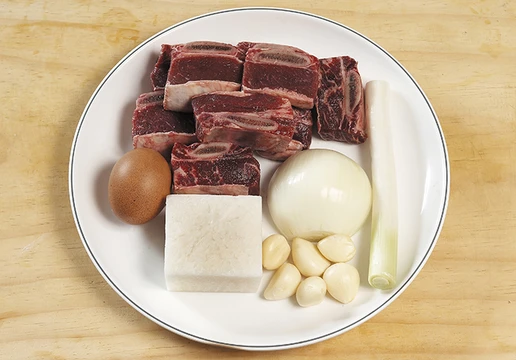
Onion
A widely cultivated vegetable, known only from human cultivation.

The onion (Allium cepa), also known as the bulb onion or common onion, is a vegetable and the most widely cultivated species of the genus Allium. It is exclusively known from cultivation, with its ancestral wild original form unknown, though escapes from cultivation have become established in some regions. Onions are cultivated and used around the world, often served raw, cooked, or used to make pickles or chutneys.
The plant is most frequently a biennial or perennial but is usually treated as an annual and harvested in its first growing season. It produces a fan of hollow, bluish-green leaves, and its bulb swells once a certain day-length is reached. The bulb consists of shortened, compressed underground stems surrounded by fleshy modified scale leaves that envelop a central bud. In autumn, or spring for overwintering varieties, the foliage dies down and the outer bulb layers become dry and brittle, at which point the crop is harvested and dried. Some varieties, including shallots and potato onions, produce multiple bulbs. The crop is prone to attack by pests such as the onion fly and onion eelworm, as well as various fungi that cause rotting.
The onion was first officially described by Carl Linnaeus in 1753. The name *Allium* is the classical Latin term for garlic, while *cepa* is commonly accepted as Latin for "onion." The English word "chive" derives from the Old French *chive*, which itself comes from *cepa*. The shallot was classified as a separate species until 2011 but is now considered a botanical variety of *A. cepa*. Close relatives include garlic, scallion, leek, and chives. Other cultivated species in the genus include the Japanese bunching onion, the tree onion, and the Canada onion. The vast majority of onion cultivars belong to the common onion group, while the Aggregatum Group includes shallots and potato onions. Related wild species occur in Central Asia and Iran, with the most closely related being *A. vavilovii* from Turkmenistan and *A. asarense* from Iran. Onions have been grown and selectively bred for at least 7,000 years, with domestication likely taking place in West or Central Asia. Ancient Mesopotamian recipes using onions were recorded on cuneiform tablets dating from around 2000 BC, the oldest known recipes in the world. The onion is also mentioned in the Hebrew Bible, and evidence of its use in ancient Israel comes from Chalc
- Family
- Amaryllidaceae (historically Liliaceae)
Lore & Background
The onion is mentioned in the Hebrew Bible, and evidence of onions in ancient Israel comes from Chalcolithic and Bronze Age sites. Ancient Egyptians revered the onion bulb, viewing its shape as a symbol of eternal life and using it in burials, though the widely repeated claim of onion traces found in the eye sockets of Ramesses IV lacks reliable archaeological evidence and is likely a modern myth. Pliny the Elder wrote about onions in Pompeii, documenting Roman beliefs about their medicinal uses. In the Age of Discovery, onions were taken to North America by European settlers, and by early English colonists, the bulb onion was one of the first crops planted by the Pilgrim fathers.
Reader's Guide
Its geographic origin is uncertain, but it has been central to cuisines across the world, from ancient Mesopotamia and Egypt to modern global use. The onion's versatility in cooking—raw, cooked, or preserved—and its three main color varieties (yellow, red, white) contribute to its widespread culinary importance. The crop is prone to pests and diseases, including the onion fly, onion eelworm, and various fungi. The onion's legacy includes its role in ancient rituals, its mention in historical texts, and its continued cultivation as a staple vegetable. Its pungent compounds, which can irritate the eyes, are a distinctive characteristic.
Did You Know?
- The onion's ancestral wild original form is not known; it is exclusively known from cultivation.
- Ancient Egyptians used onions in burials, but the claim of traces found in the eye sockets of Ramesses IV is unsubstantiated and likely a modern myth.
Frequently Asked Questions
What is an onion in basic culinary terms?
An onion is a bulb vegetable belonging to the Allium genus (scientific name Allium cepa), and it is the most widely grown species within that group. It is exclusively a cultivated plant, meaning no truly wild ancestor has ever been identified in the wild.
What are the main onion varieties a cook should know?
The three most common types you'll encounter in kitchens are yellow, red, and white onions. Each offers a slightly different flavor profile, with yellow being the most all-purpose and red often used raw for milder, sweeter notes.
What are the typical ways onions are used in cooking?
Onions show up raw in salads, sautéed or roasted as a flavor base, and preserved through pickling or chutney-making. They are a foundational aromatic in cuisines around the globe and can be served in virtually any preparation state.
Is the onion a true wild plant?
No—Allium cepa is exclusively a cultivated species, and its original wild progenitor remains unknown. That said, escaped garden onions have occasionally established themselves in the wild in certain regions, but those are feral populations rather than a true wild form.
More in Ingredients 1-24
Spotted an error? Know more?
This is a living reference — every entry is fact-audited, and reader corrections feed straight into our audit queue. Suggest an edit · See this site's audit record