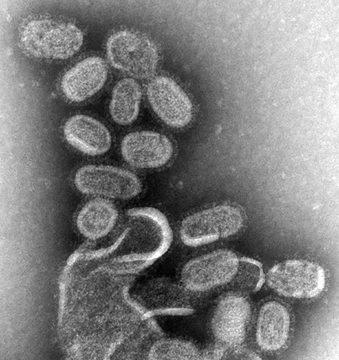
Treatment of influenza
Antiviral drugs, symptom relief, and emerging resistance shape influenza treatment.
Last updated
Treatments for influenza include medications that directly target the virus and therapies that relieve symptoms while the immune system clears the infection. The main classes of antiviral drugs are neuraminidase inhibitors, polymerase acidic endonuclease inhibitors, and M2 protein inhibitors. These drugs can reduce symptom severity if taken soon after infection and may also be used to decrease the risk of infection, though drug-resistant strains have emerged.
Quick Facts
- Subjects in interferon trial
- 14,000
Facts from the source article.
Antiviral drugs
Antiviral drugs act directly against influenza viruses and work best when taken within a few days of symptom onset. Some are used prophylactically in uninfected individuals to prevent infection. In the United States, four prescription-only agents are licensed: zanamivir, oseltamivir phosphate, peramivir, and baloxavir marboxil. In Russia and China, arbidol is also used; although no published clinical trials demonstrate its effectiveness, some data suggest it may be useful.
Interferons, cellular signaling factors produced in response to viral infection, have been investigated as influenza treatments since the 1960s. A 1969 trial involving 14,000 subjects during the Hong Kong Flu found that those given interferon prophylactically were more than 50% less likely to develop symptoms, though latent infection was still present. Early interferon was produced by exposing leukocytes from donated blood to Newcastle disease virus.
Despite widespread use in the Soviet Union, high-dose interferon proved ineffective in U.S. trials; later research proposed that interferon activity is highest at low concentrations. Phase III trials in Australia were planned for 2010, and initial U.S. trials for late 2009. Interferons have also been studied as vaccine adjuvants: mouse experiments suggested type I interferons could enhance vaccine effectiveness, but a 2008 clinical trial found that oral interferon-alpha reduced elderly patients' immune response to an influenza vaccine.
Drug resistance
Influenza viruses can develop resistance to antiviral drugs, often linked to overuse. A study published in the June 2009 issue of Nature Biotechnology highlighted the need to supplement oseltamivir stockpiles with drugs like zanamivir, should the 2009 H1N1 neuraminidase acquire the tamiflu-resistance mutation His274Tyr widespread in seasonal H1N1 strains. Amantadine treatment can rapidly produce resistant viruses; overuse, especially via over-the-counter cold remedies in China and Russia and use in farmed poultry, has likely contributed to resistance spread.
However, some neuraminidase-inhibitor-resistant strains have emerged without heavy drug use, and resistance frequency shows little correlation with usage levels. Laboratory studies indicate that sub-optimal prophylactic doses may contribute to resistance. During the 2005–2006 U.S. influenza season, rising H3N2 resistance to amantadine and rimantadine led the CDC to recommend oseltamivir for prophylaxis and either oseltamivir or zanamivir for treatment.
Nutritional supplements and herbal medicines
Malnutrition weakens immunity and is a common cause of immunodeficiency in the developing world. A study in Ecuador found that elderly individuals often had deficiencies in vitamin C, vitamin D, vitamin B-6, vitamin B-12, folic acid, and zinc, which may increase risk of respiratory infections like influenza. Seasonal variation in sunlight exposure, needed for vitamin D synthesis, has been proposed as a factor in influenza seasonality. A meta-analysis of 13 studies found some support for adjunctive vitamin D therapy but called for more rigorous trials.
A review of herbal and alternative medicines indicated that N-acetylcysteine, elderberry, or a combination of Eleutherococcus senticosus and Andrographis paniculata may shorten influenza infection; more limited evidence from animal or in vitro studies suggested possible benefit from vitamin C, DHEA, high lactoferrin whey protein, Echinacea, Panax quinquefolius, Larix occidentalis arabinogalactans, elenolic acid, Astragalus membranaceus, and Isatis species.
Another review concluded there was no compelling evidence for any alternative treatment, citing small, poorly designed trials that did not test for adverse effects. A 1997 randomized trial found that volunteers taking 1.2 grams of N-acetylcysteine daily for six months were infected at the same rate as the placebo group, but only 25% developed clinical symptoms versus 67% of controls; the authors attributed this to a shift in cell-mediated immunity from anergy toward normoergy.
Passive immunity
During the 1918 flu pandemic, direct transfusion of blood, plasma, or serum from recovered patients was used as an alternative to vaccination. Eight publications from 1918 to 1925 reported that this treatment approximately halved mortality in hospitalized severe cases, where the average untreated case-fatality rate was 37%. Bovine colostrum may also serve as a source of antibodies. Human CD8+ cytotoxic T lymphocytes specific to influenza can be expanded in vitro using beads with specific antigens; high concentrations of N-acetylcysteine have been used to enhance their growth, but this method remains in early research.
Did You Know?
- The CDC recommends that people with influenza stay at home, rest, drink liquids, avoid smoking and alcohol, and consider over-the-counter medications.
- Children and teenagers with flu symptoms should avoid aspirin because it can lead to Reye syndrome, especially with Influenzavirus B.
- Warning signs of serious influenza include difficulty breathing, chest pain, dizziness, confusion, severe vomiting, and in children, irritability, failure to wake, rapid breathing, or bluish skin.
More in Influenza
Sources
Compiled from Wikipedia and the sources listed below. Text from Wikipedia is available under CC BY-SA 4.0; this entry is adapted from it.
- Wikipedia: Treatment of influenza (CC BY-SA 4.0).
Spotted an error? Know more?
Reader corrections go straight into our review queue. Suggest an edit · How this site is sourced