Mario Andretti
The Italian-American legend who conquered Formula One, IndyCar, and endurance racing.

via Wikipedia: Mario Andretti · see source
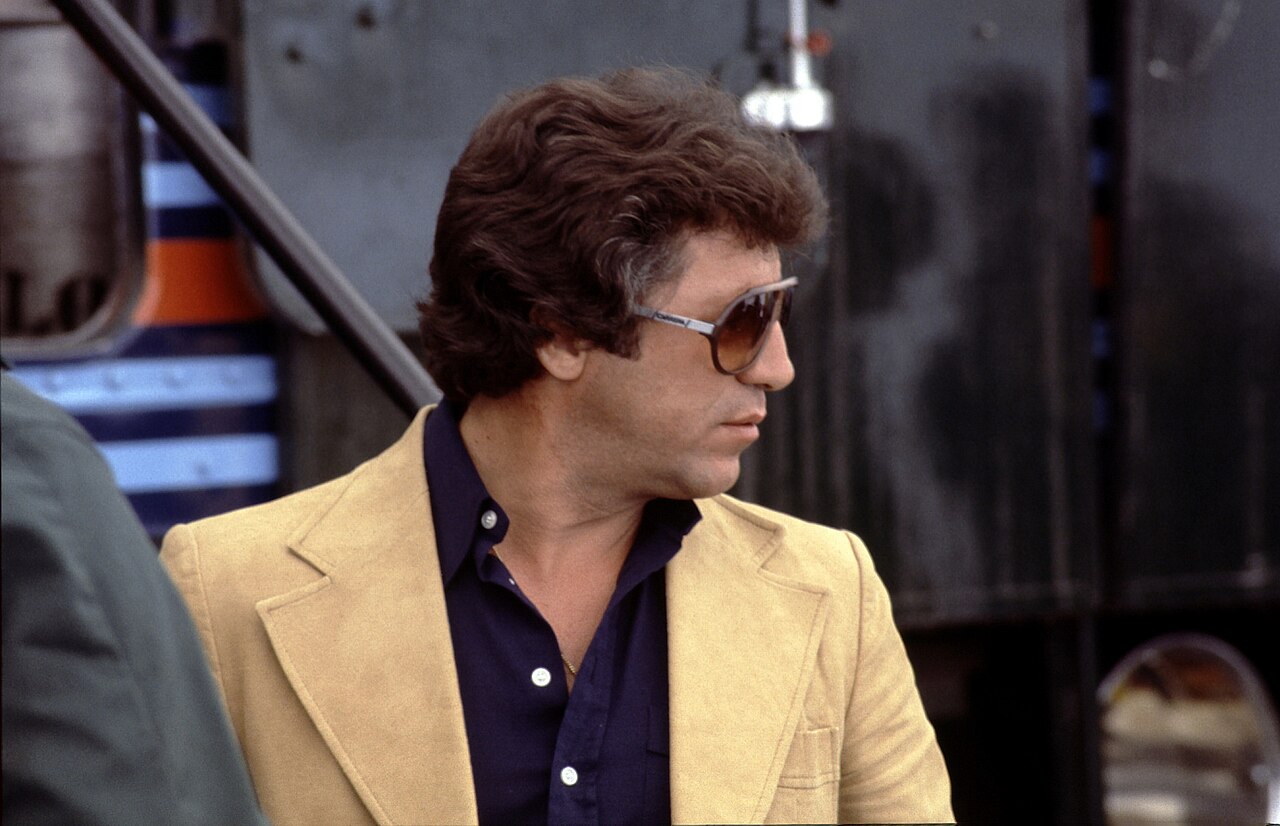
Mario Gabriele Andretti (born February 28, 1940) is an American former racing driver who competed in Formula One from to , and IndyCar from 1964 to 1994. Andretti won the Formula One World Drivers' Championship in with Lotus, and won 12 Grands Prix across 14 seasons. In American open-wheel racing, Andretti won four IndyCar National Championship titles and the Indianapolis 500 in 1969; in stock car racing, he won the Daytona 500 in 1967. In endurance racing, Andretti is a three-time winner of the 12 Hours of Sebring.
Quick Facts
- Birth name
- Mario Gabriele Andretti
- Born
- 28 February 1940
- Birthplace
- Montona, Istria, Kingdom of Italy
- Children
- 3, including Michael and Jeff
- Relatives
- Aldo Andretti (brother)
- Marco Andretti (grandson)
- John Andretti (nephew)
- Adam Andretti (nephew)
Lore & Background
Mario Gabriele Andretti was born on February 28, 1940, to an Istrian-Italian family in Montona, Istria, Kingdom of Italy (present-day Motovun, Croatia). He was born six hours before his twin brother Aldo. Andretti and his family were displaced from Italian-controlled Istria during the Istrian–Dalmatian exodus and eventually emigrated to Nazareth, Pennsylvania in 1955. He began dirt track racing with his twin brother Aldo four years later, with Andretti progressing to USAC Championship Car in 1964.
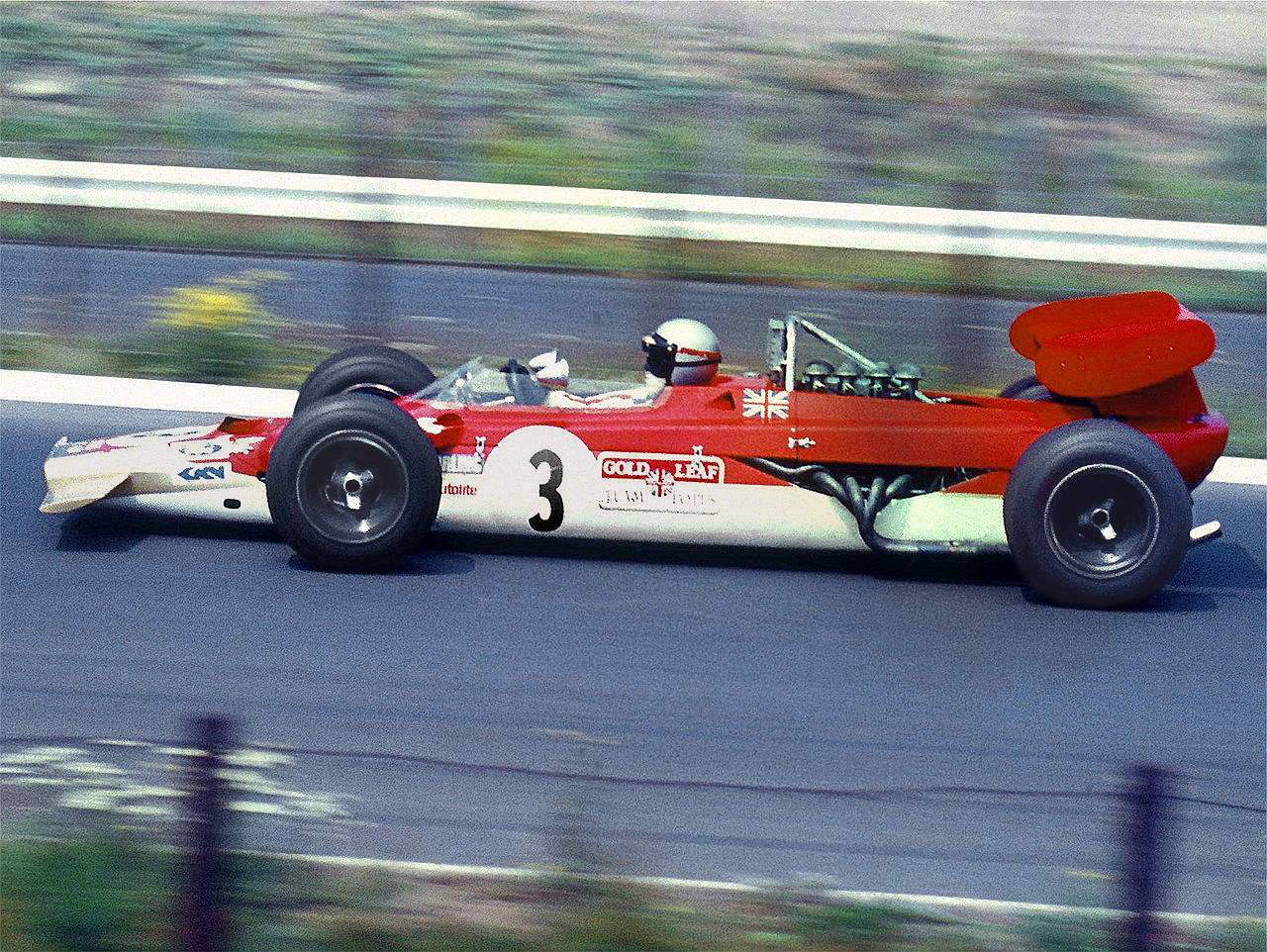
In open-wheel racing, he won back-to-back USAC titles in 1965 and 1966, also finishing runner-up in 1967 and 1968. He also contested stock car racing in his early career, winning the 1967 Daytona 500 with Holman-Moody. He took his first major sportscar racing victory at the 12 Hours of Sebring that year with Ford. Andretti debuted in Formula One at the in with Lotus, where he qualified on pole position.
He contested several further Grands Prix with Lotus in , when he won his third USAC title and the Indianapolis 500. In , Andretti took his maiden podium finish at the with STP, driving a privateer March 701. He signed for Ferrari that year, winning at Sebring again. Andretti took his maiden victory in Formula One at the season-opening in , on debut for Ferrari.
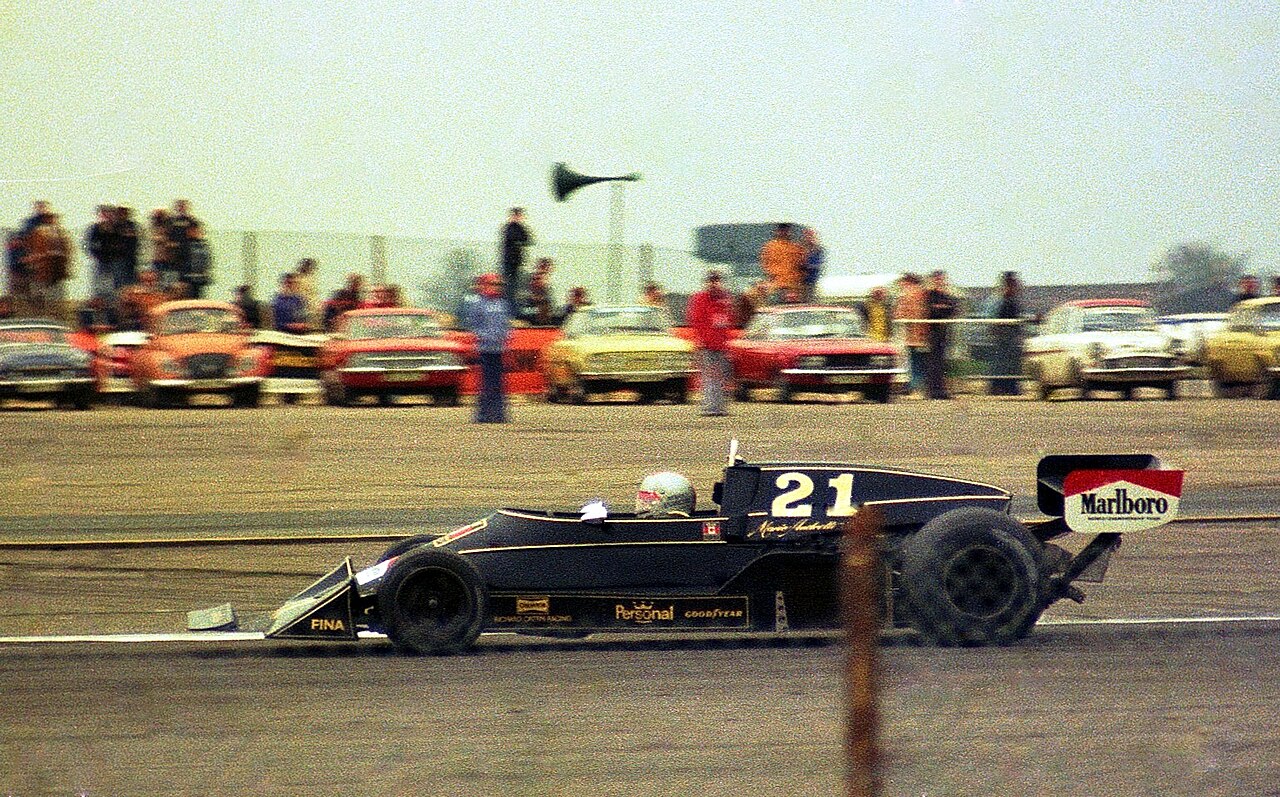
He took his third Sebring victory the following year. After part-time roles for Ferrari and Parnelli in and , respectively, Andretti joined the latter full-time for after finishing runner-up in the SCCA Continental Championship. He moved back to Lotus in , winning the season-ending and helping develop the 78. Andretti won four Grands Prix in , finishing third in the World Drivers' Championship.
He won the title in after achieving six victories, becoming the second World Drivers' Champion from the United States. After winless and campaigns with Lotus, he moved to Alfa Romeo in . Following two fill-in appearances for Williams and Ferrari in , Andretti retired from Formula One with 12 wins, 18 pole positions, 10 fastest laps and 19 podiums. Andretti returned to full-time IndyCar racing in 1982, placing third in the standings with Patrick, amongst winning the Michigan 500.
After finishing third again with Newman/Haas in his 1983 campaign, he won his fourth IndyCar title in 1984, 15 years after the previous and his first sanctioned by CART.
Reader's Guide
Mario Andretti is an American former racing driver who won the Formula One World Drivers' Championship, four IndyCar National Championship titles, the Indianapolis 500 in 1969, the Daytona 500 in 1967, and three 12 Hours of Sebring victories. He is known for his versatility across multiple motorsport disciplines.
Gallery
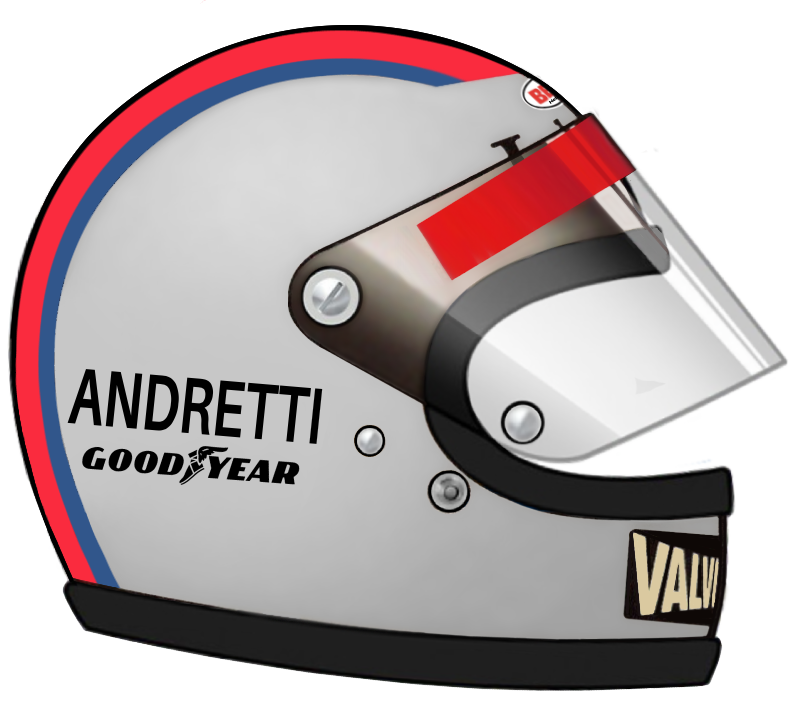
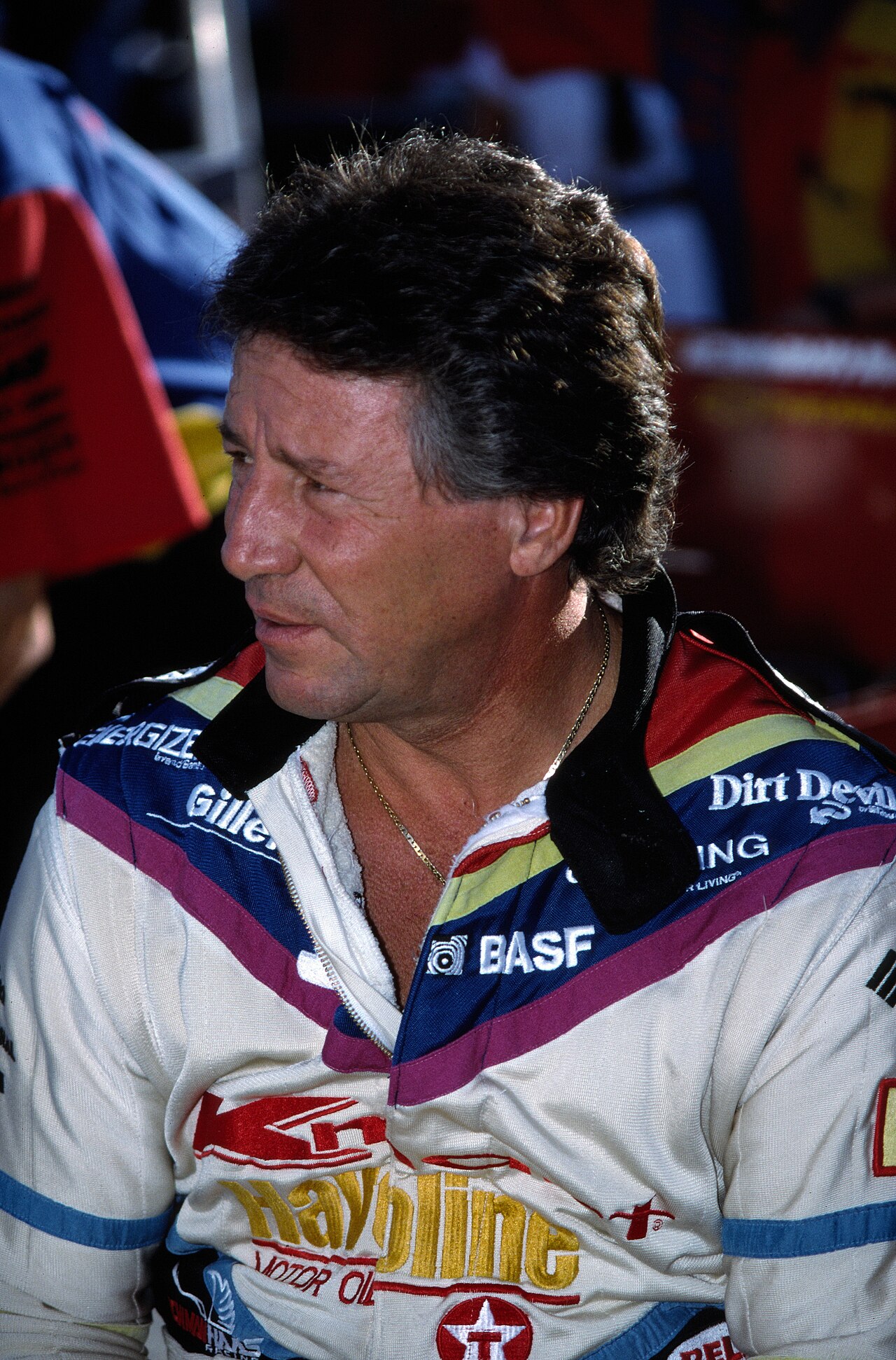
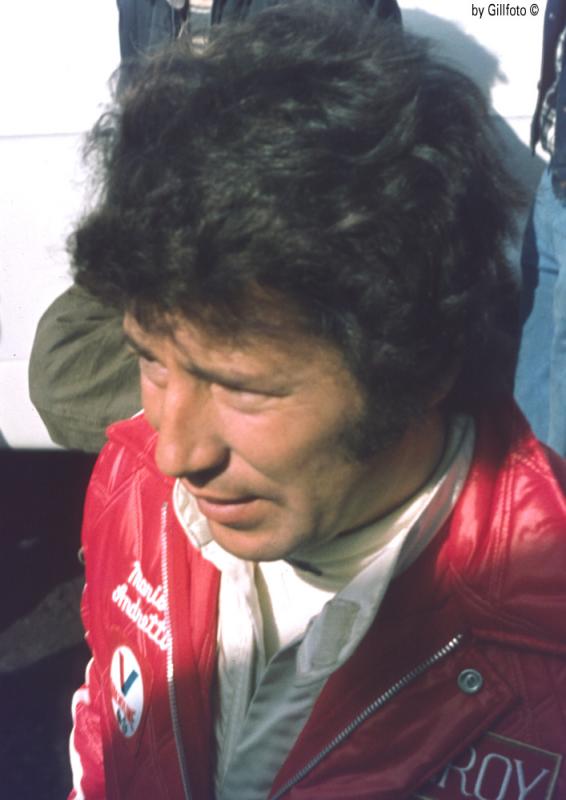
Frequently Asked Questions
Who is Mario Andretti?
Mario Andretti is an American racing legend of Italian heritage, born in Montona, who became the most versatile driver in open-wheel history.
What are his major IndyCar achievements?
His greatest triumphs include winning the Indianapolis 500 in 1969 and securing the USAC Championship in both 1965 and 1966. He remains one of the few drivers to conquer both dirt ovals and asphalt tracks within a single season.
What is his current status?
Although he has retired from active competition, Mario Andretti remains a revered figure within the racing community.
More in Series History
Elsewhere in IndyCar
Spotted an error? Know more?
Reader corrections go straight into our review queue. Suggest an edit · How this site is sourced