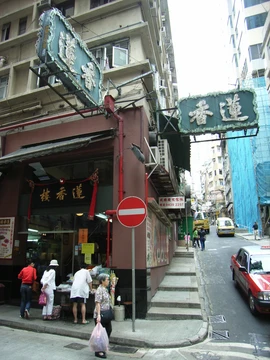
Rejuvenation of dai pai dong
Efforts to preserve and modernize Hong Kong's traditional food stalls.
Dai pai dong are traditional open-air food stalls in Hong Kong, recognized by their green steel exteriors and serving affordable Cantonese specialties. They peaked in popularity during the 1960s and 1970s as social hubs for working people. The literal meaning of dai pai dong is “big license stall”.
Quick Facts
- Peak popularity period
- 1960s and 1970s
- Locations of remaining stalls
- 11 in Sham Shui Po, 10 in Central, 3 in Wan Chai, 1 in Tai O
Facts from the source article.
Background
Dai pai dong earned the nickname “poor people’s nightclub” due to their cheap prices and popularity among the working class in the 1950s. The government stopped issuing new licenses in 1956 after hygiene and traffic congestion complaints arose. Licenses began selling on the black market, prompting limits on transfers; licensees could only transfer to a spouse upon death, otherwise the license expired. The opening of the first cooked food center in 1975 led many dai pai dong to relocate into these centers and markets. In 1983, the government started buying back licenses to improve public hygiene, and many aged holders sold theirs. The number dropped significantly; only 25 remain today, with few still operating on streets in the traditional style.
Controversy
The closure of stalls like Man Yuen Noodles in 2005 spurred calls to preserve local food culture, including dai pai dong. Supporters argue preservation promotes tourism, protects culture, and creates jobs, noting the close community ties between owners and customers. Owners want the government to set improvement standards rather than force closures. Opponents, including the District Council, some Legislative Council members, and the Tourism Board, cite hygiene and safety concerns, road blockage, noise, and the risk of portraying Hong Kong as unclean.
Changes
Since the late 2000s, changes have aimed to help dai pai dong survive. In 2009, the Food and Environmental Hygiene Department provided funds to those in Central to improve sewage disposal and gas systems, with regular sanitation events now held. Some dai pai dong have moved to Municipal Services Buildings, such as those in Tai Kwok Tsui, due to management issues.
More in Hong Kong Cuisine
Spotted an error? Know more?
Reader corrections go straight into our review queue. Suggest an edit · How this site is sourced