
History of the Chicago Cubs
Charter NL franchise, earliest active North American pro sports club.

The Library of Congress · Public domain
The Chicago Cubs are a Major League Baseball franchise, charter members of the National League, who began play in 1870 as the Chicago White Stockings. They are the earliest formed active professional sports club in North America and the only franchise to play continuously in the same city since the National League's formation in 1876.
- founded
- 1870 (as Chicago White Stockings)
- league
- National League (charter member, 1876)
- first championship
- 1876 (inaugural NL season)
- notable early name
- White Stockings (also Orphans, Infants, Remnants, Colts)
- home ballpark (1871)
- Union Base-Ball Grounds (Lake Park, later Grant Park)
- key early owner
- William Hulbert
Lore & Background
The club was founded in 1870 as the Chicago White Stockings, adopting white uniforms that prompted sportswriters to tag them by that color. In 1871, they became charter members of the first all-professional league, the National Association of Professional Base Ball Players, but the Great Chicago Fire destroyed their ballpark and equipment; they finished the season on the road in borrowed uniforms, placing second. The club dropped out during the city's recovery and was revived in 1874, moving to the 23rd Street Grounds.
Club president William Hulbert, disgusted by contract-jumping and the dominance of the Boston club, spearheaded the formation of the National League in 1876. The Chicago National League Ball Club won the league's first championship that year, with Albert Spalding winning 47 games and Ross Barnes hitting .429. After Hulbert's death in 1882, Al Spalding assumed ownership, and Cap Anson served as first baseman and manager. The team won NL pennants in 1880 and 1881, with a .798 winning percentage in 1880, and featured pitchers Larry Corcoran (three no-hitters) and Fred Goldsmith (credited with inventing the curveball). The club was officially named the Cubs in 1903.
Reader's Guide
The Chicago Cubs represent the oldest continuously operating professional sports franchise in North America, with roots predating the National League itself. Their early history under the White Stockings name established the club as a pioneer in professional baseball, from winning the disputed NABBP championship in 1870 to surviving the Great Chicago Fire and later forming the National League under William Hulbert's leadership. The team's early dynasties under Cap Anson set standards for winning percentage and pitching rotations, while innovations such as the curveball and early home run rule changes at their ballpark shaped the game. The franchise's endurance through league reorganizations, the fire, and the transition to the Cubs name in 1903 underscores its central role in baseball's development. Their significance lies not only in on-field success but in their foundational influence on the structure and ethics of professional baseball.
Did You Know?
- The Chicago White Stockings did not win a championship in 1870; the NABBP title that year was won by the Brooklyn Atlantics.
- The Great Chicago Fire of 1871 destroyed the team's ballpark, equipment, and uniforms, forcing them to finish the season on the road in borrowed uniforms.
- William Hulbert expelled the Mutual of New York and Athletic of Philadelphia from the National League in 1876 for refusing to complete their schedules.
- Pitcher Fred Goldsmith is one of two pitchers credited with inventing the curveball.
Origins and the White Stockings Era (1870)
The Chicago club's story begins in the ferment of the late 1860s, when the dominance of the Brooklyn Atlantics and the Cincinnati Red Stockings' legendary 89-game winning streak sparked a wave of openly professional baseball clubs. Chicago's team, officially called The Chicago Base Ball Club, adopted white uniforms and was immediately nicknamed "White Stockings" by sportswriters who commonly identified teams by their colors. On April 29, 1870, the club played its first game, defeating the Union Club of St. Louis by a score of 7-1. They split their schedule between a downtown practice field at Ogden Park and a larger venue at Dexter Park for bigger crowds. After assembling a 10-man roster, the White Stockings joined the National Association of Base Ball Players, a league previously dominated by East Coast clubs from New York, Philadelphia, Baltimore, and Washington. Despite that geographic imbalance, Chicago captured the NABBP championship that year, though the title was disputed by the New York Mutuals.
The Great Chicago Fire and Survival (1871)
In 1871, the White Stockings, backed by businessman William Hulbert, became charter members of the National Association of Professional Base Ball Players, the first all-professional league. The club had arranged with the city to build a ballpark in the northeast corner of Lake Park, later renamed Grant Park, and dubbed the venue the Union Base-Ball Grounds. They were close contenders for the pennant until late in the season. Then, on Sunday, October 8, the Great Chicago Fire erupted on the near south side and swept northward through downtown. The wooden ballpark sat directly in the firestorm's path, and the grounds along with all the team's equipment and uniforms were consumed. Remarkably, the White Stockings completed their 1871 season on the road, wearing borrowed uniforms, and finished just two games behind Philadelphia for the title. The club was forced to drop out of the league during the city's recovery period but was ultimately revived in 1874, relocating to the newly built 23rd Street Grounds on the near south side.
Hulbert and the Birth of the National League (1871–1876)
William Hulbert, president of the White Stockings, grew increasingly frustrated with the National Association's structural weaknesses. The Boston Red Stockings had dominated the NA for four consecutive seasons, hoarding the game's best players and even poaching stars still under contract with other clubs; the most notorious "revolver" was Davy Force. Hulbert was appalled by the lack of enforceable contracts, the league's inability to mandate a schedule, and the widespread suspicion that gambling and alcohol had tainted games to the point of being "thrown." Behind the scenes during the NA's final years, Hulbert worked to convince the owners of the St. Louis Browns, Hartford Dark Blues, Philadelphia Athletics, and others to join the White Stockings in a new, stronger, more ethical organization. That organization became the National League of Professional Base Ball Clubs. Its formation effectively ended the NA, as its remaining clubs either shut down or reverted to amateur and minor status.
The 1876 Inaugural Championship
After the 1875 season, Hulbert made key acquisitions that transformed the club into a championship contender. He secured Boston pitcher Albert Spalding, first baseman Adrian Anson from the Philadelphia Athletics, along with James "Deacon" White and Ross Barnes. The 1876 season became a showcase for this assembled talent. Spalding won 47 games and pitched the National League's first shutout. Barnes batted .429, while White, one of the last great bare-handed catchers in the game, led the league in runs batted in. The White Stockings cruised through the inaugural National League season to claim the league's first championship. Near the season's end, Mutual of New York and Athletic of Philadelphia, both remnants of the old NA, dropped out of contention and refused to complete their schedules. Hulbert responded by expelling both franchises from the league, flexing his executive authority to protect the integrity of the new competition.
Gallery
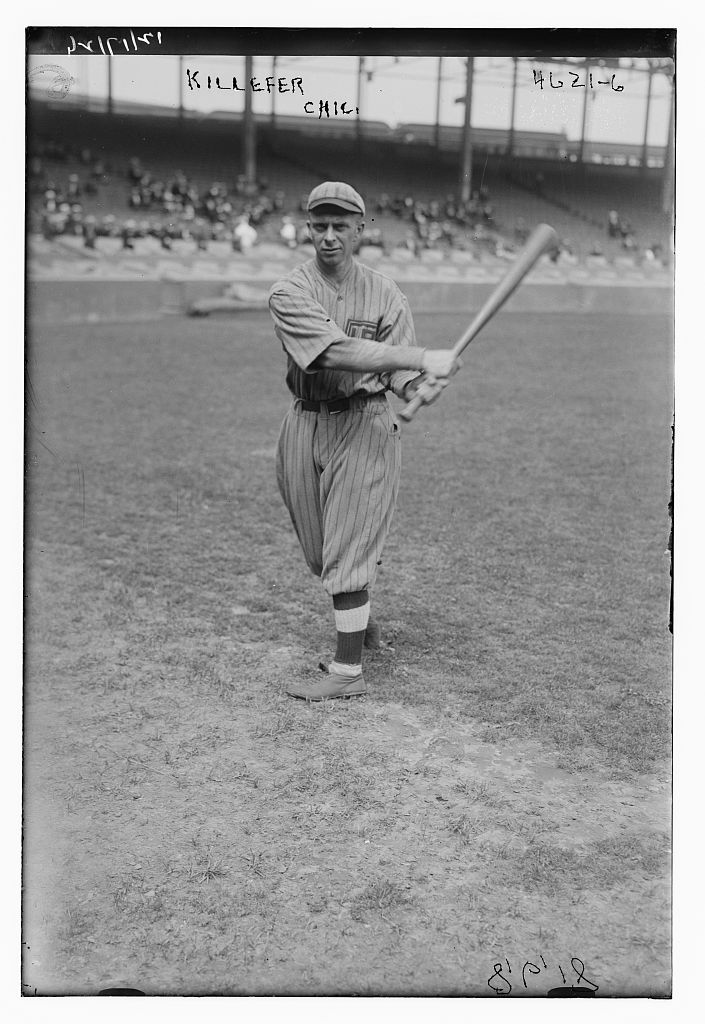
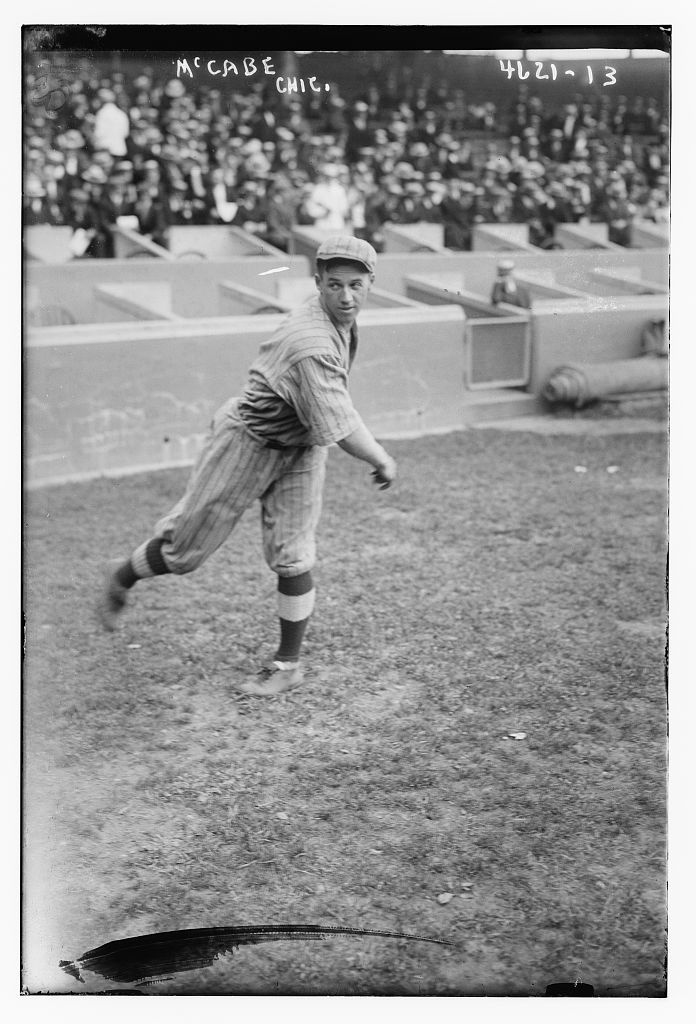
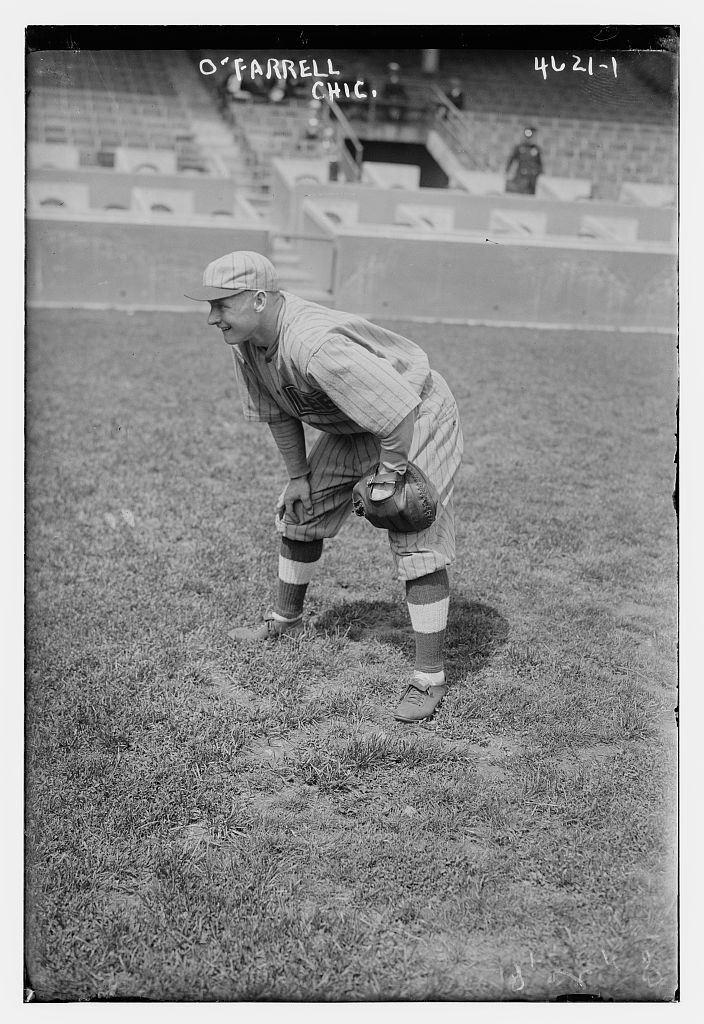
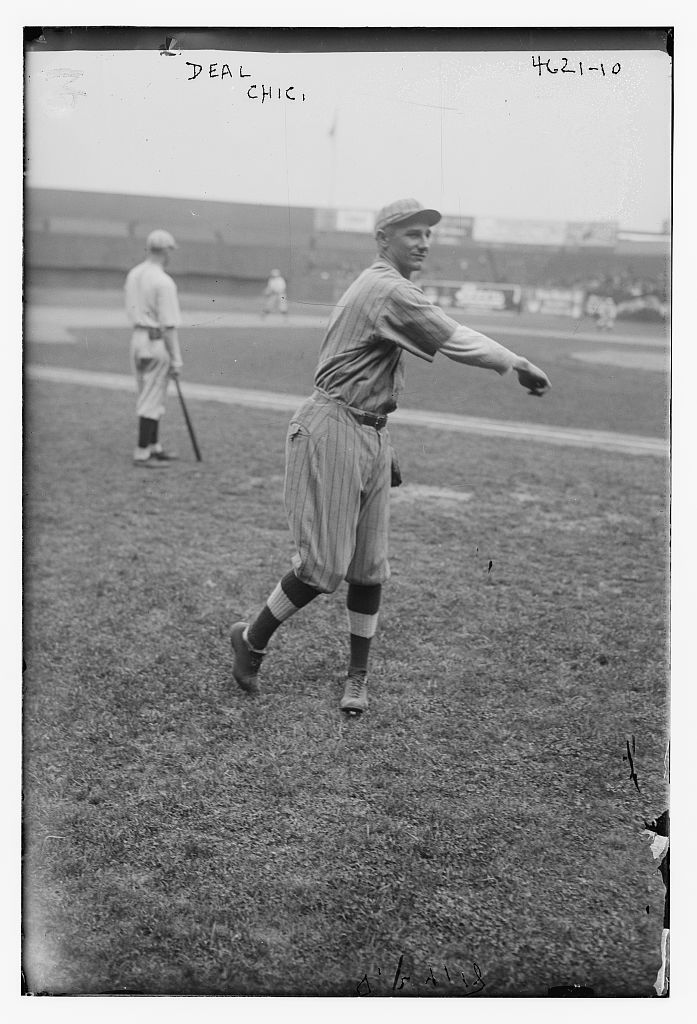
Frequently Asked Questions
When were the Chicago Cubs founded and what were they originally called?
The franchise dates back to 1870, when it was established as the Chicago White Stockings. They joined the newly formed National League as a charter member in 1876 and won that inaugural league title the same year.
Why are the Cubs considered the oldest active professional sports club in North America?
They have competed continuously in the same city since the National League was created in 1876, giving them an unbroken single-city lineage that no other active pro sports organization can match. That makes them the earliest-formed active professional sports club on the continent.
What name changes did the Cubs go through before adopting the name 'Cubs'?
During the team's early decades it cycled through a string of monikers, including the White Stockings, Orphans, Infants, Remnants, and Colts. The 'Cubs' nickname eventually became the permanent identity that fans use today.
Who was William Hulbert and why does he matter in Cubs history?
Hulbert was a key early owner who spearheaded the creation of the National League in 1876, giving the White Stockings a stable competitive structure to play in. His organizational vision laid the institutional groundwork for the franchise that still competes in that league.
When did the Cubs win their first World Series championship?
The Cubs claimed their first World Series title in 1908, beating the Detroit Tigers in a best-of-nine series. That victory arrived 32 years after the franchise's first National League pennant in 1876.
More in History of Major League Baseball by team 1-24
Spotted an error? Know more?
This is a living reference — every entry is fact-audited, and reader corrections feed straight into our audit queue. Suggest an edit · See this site's audit record