Oktava
Russian microphone manufacturer with roots in 1920s radio components.

Oktava (Октава) is a Russian manufacturer of microphones and audio equipment, part of the Ruselectronics holding. It produces a variety of microphones for professional audio and general use, with most of its products sold to the United States and Europe.
Quick Facts
- Industry
- Audio electronics
- Predecessor
- <!-- or
- Founded
- 1927-10-11
- Hq Location City
- Tula
- Hq Location Country
- Russia
- Area Served
- Worldwide
- Products
- Microphones · Headphones · Communication headsets · Body Armour
- Parent
- Rostec
- Subsidiaries
- OKB Oktava
Facts from the source article.
Lore & Background
The electronics plant that became Oktava opened in Tula in June 1927, initially producing radio components. Within four years it grew from a local workshop into a large plant supplying microphones across the Soviet Union, attached to the Ministry of Postal Services. Around 1932, the plant focused on acoustical-electrical transducers, microphones, and loudspeakers, producing its first prototype tuned radio frequency receiver that year. In 1934 it designed and manufactured a 30-watt dynamic loudspeaker, with the first batch of 100 installed in Moscow squares. A 10-watt horn loudspeaker followed in 1935 and remained in production until 1945. The plant evacuated to Perm in October 1941 but returned early the following year to reconstruct, reopening in May 1942 and producing mine-detectors, horn loudspeakers, and dynamic microphones. In 1943 it developed a crystal loudspeaker and won first prize in a national competition. The plant adopted the name Oktava in 1946. In 1948 it began production of a 100-watt loudspeaker, the first batch installed in Red Square, Moscow. The first export order, for the SDM microphone, came in 1949. From around 1954 the plant modernized and focused exclusively on telephone and microphone production. In 1961 Oktava introduced the D2 miniature telephone and began supplying dynamic microphones to the Kremlin. From 1964 it implemented a zero-defect production system, and the TM-4 miniature telephone and ML-16 ribbon microphones received state quality marks. During this period Oktava provided equipment for Kremlin meeting rooms and Ostankino Technical Center, the state's biggest TV studio. In the 1980s and early 1990s, new microphone models were recognized at the National Exhibition of Industrial Achievements, including the TG-12 headphones and MD-82 microphone (bronze medal, 1983), MCE-9 microphone (bronze medal, 1984), TDS-2 telephone (bronze medal, 1985), and MD-86 microphone (2nd Diploma, 1986). Oktava began exporting during the mid-1990s after modernizing the factory, and its microphones were well received in the west for their reasonable quality and competitive price. Between 2009 and 2017 Oktava was integrated into the Ruselectronics Group. Since 2017 it is directly controlled by the governmental conglomerate Rostec, which makes 87% of their turnover in the military sector.
Reader's Guide
Oktava's significance lies in its long history as a Soviet and Russian manufacturer of microphones and audio transducers, evolving from a local radio-component workshop in 1927 to a supplier for the Kremlin and major state venues. The plant's early innovations included the first 30-watt dynamic loudspeaker installed in Moscow squares and a 100-watt loudspeaker for Red Square. During World War II, it contributed to the war effort by producing mine-detectors and horn loudspeakers. Post-war, the company adopted the Oktava name and focused on telephones and microphones, achieving state quality marks for its miniature telephone and ribbon microphones. Its products received medals at the National Exhibition of Industrial Achievements in the 1980s, including the TG-12 headphones. In the mid-1990s, after modernizing, Oktava began exporting to the west, where its microphones were noted for reasonable quality and competitive price. Since 2017, under Rostec, the company's output is predominantly military. Oktava's legacy is that of a state-owned audio manufacturer that supplied both civilian and government needs across decades, from Soviet-era loudspeakers in public squares to modern professional microphones sold internationally.
Did You Know?
- In 1948, Oktava produced a 100-watt loudspeaker, the first batch of which was installed in Red Square, Moscow.
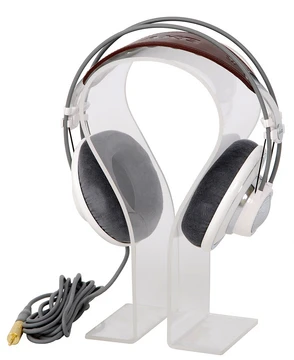
- The TG-12 headphones won a bronze medal at the National Exhibition of Industrial Achievements in 1983.
- Since 2017, Oktava has been directly controlled by the governmental conglomerate Rostec, which makes 87% of its turnover in the military sector.
Frequently Asked Questions
What is Oktava?
Oktava is a Russian manufacturer of microphones and audio equipment that traces its origins back to 1927 radio-component production. Based in Tula, it now makes professional and consumer audio gear, most of which ships to the United States and Europe.
What are Oktava's most well-known products?
The brand is best recognized for the TG-12 headphones, the MD-82 dynamic microphone, and the ML-16 ribbon microphone. It has also produced the TDS-2 telephone handset, rounding out a catalog that spans headphones, mics, and telephony hardware.
Who currently owns Oktava?
Oktava operates within the Ruselectronics holding company, which has been part of the Rostec conglomerate since 2017. This places the brand inside Russia's state-controlled electronics and defense sector.
Where does Oktava sell its products?
Despite being a Russian company, the bulk of its microphone and audio-equipment sales go to the United States and European markets. It has maintained a steady international customer base in those regions for decades.
Where is Oktava based and when was it founded?
The company is headquartered in Tula, Russia, and was established in 1927. It began by producing radio components before growing into the broader microphone and audio-equipment manufacturer it is today.
More in Headphones and Audio Gear, Part 2 1-24
Spotted an error? Know more?
Reader corrections go straight into our review queue. Suggest an edit · How this site is sourced