
Grain (film)
A seed geneticist seeks a colleague in a walled city.

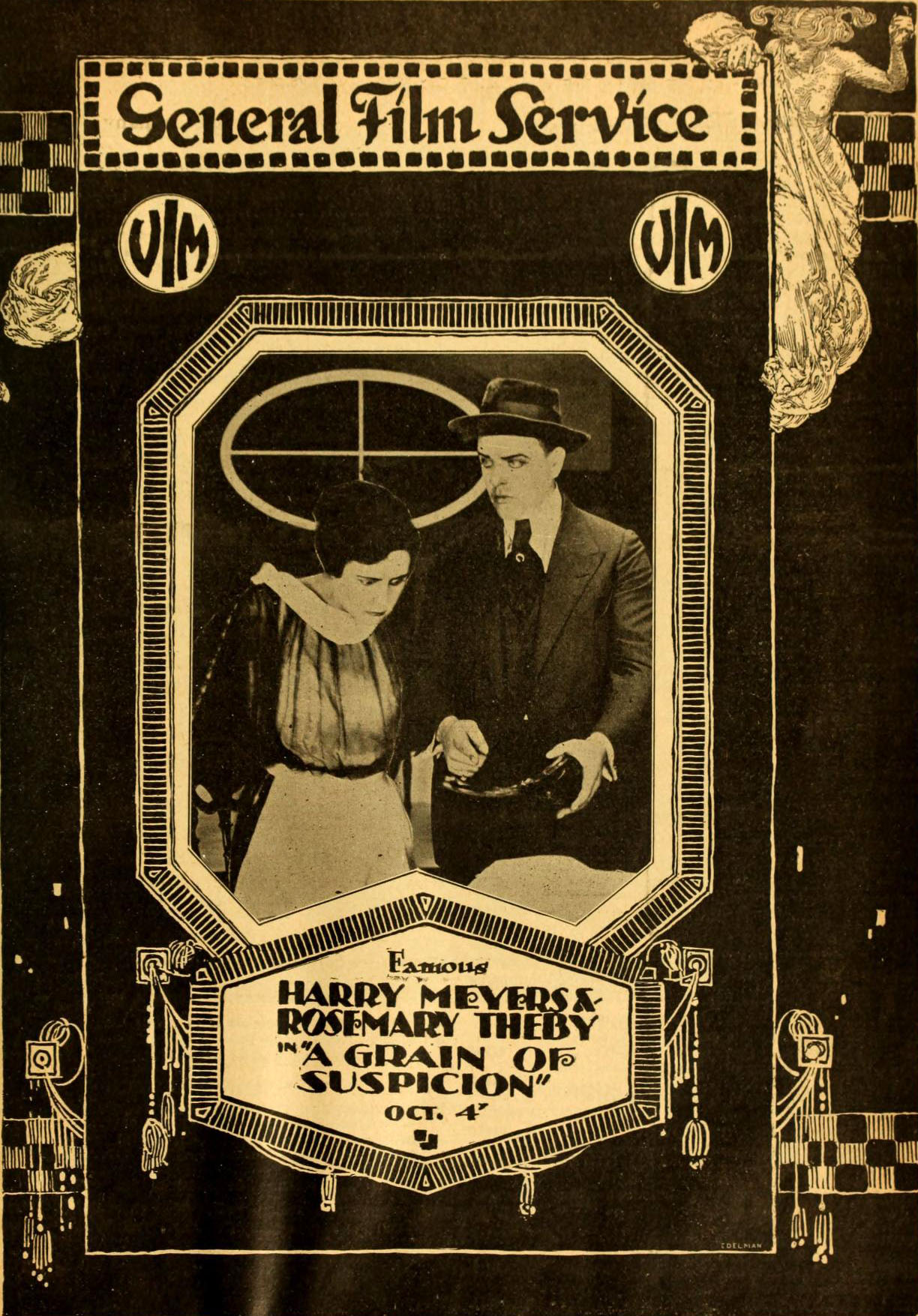
Vim Comedy Film Company / General Film Company · Public domain
Semih Kaplanoğlu wrote and directed the 2017 film *Grain* (also known as *Buğday*). In a near future that is not precisely dated, Professor Erol Erin works as a seed geneticist in a city protected by magnetic walls that keep out multi-ethnic immigrants. The city’s agricultural plantations are suffering from a genetic crisis of unknown cause. During a meeting at Novus Vita, the corporation that employs him, Erol learns of a fellow geneticist named Cemil Akman, who wrote a thesis on the recurring problems with genetically modified seeds. Erol then travels to find Akman, a journey that fundamentally alters his understanding of the world.
Kaplanoğlu’s company, Kaplan Film, produced the movie, with co-production from Heimatfilm (Germany), Sophie Dulac Productions (France), The Chimney Pot (Sweden), and Arte France Cinéma (France). Filming took place in Detroit, Michigan, Germany, and Turkey. The cast includes Jean-Marc Barr as Erol Erin, Ermin Bravo as Cemil Akman, Grigoriy Dobrygin as Andrei, Cristina Flutur as Alice, Lubna Azabal as Beatrice, Hal Yamanouchi as Leon, Mila Böhning as Tara, Rainer Steffen as Professor Ekrem Aktolga, Hoji Fortuna as Alexandre, Jarreth J. Merz as Viktor Rerberg, and Nike Maria Vassil as Prof. Asli Yurtcu.
Quick Facts
- Director
- Semih Kaplanoğlu
- Starring
- Jean-Marc Barr · Ermin Bravo · Grigoriy Dobrygin · Cristina Flutur
- Music
- Mustafa Biber
- Cinematography
- Giles Nuttgens
- Editing
- Osman Bayraktaroğlu / Ayhan Ergürsel / Semih Kaplanoğlu
- Studio
- Kaplan Film
- Released
- 12 August 2017 · Sarajevo Film Festival
- Runtime
- 128 minute
- Country
- Turkey
- Language
- English
Facts from the source article.
Lore & Background
In an undefined near future, Professor Erol Erin, a seed geneticist, lives in a city protected from multi-ethnic immigrants by magnetic walls. For unknown reasons, the city's agricultural plantations have been hit by a genetic crisis. In a meeting at the headquarters of Novus Vita, the corporation which employs him, Erol hears about Cemil Akman, a fellow geneticist who wrote a thesis about the recurrent crises affecting genetically modified seeds. Erol sets out on a journey to find him, a journey that will change everything Erol knew.
Reader's Guide
Grain is a 2017 film written and directed by Semih Kaplanoğlu, produced by his company Kaplan Film and co-produced by companies from Germany, France, and Sweden. The film was shot in Detroit, Michigan, Germany, and Turkey. Its cast includes Jean-Marc Barr as Erol Erin, Ermin Bravo as Cemil Akman, and several other international actors. The film's significance lies in its speculative narrative about genetic engineering, migration, and ecological crisis, presented through a near-future dystopian lens. It contributes to Turkish cinema's engagement with global science-fiction themes.
Did You Know?
- Jean-Marc Barr plays the lead role of Professor Erol Erin.
- The film's plot involves magnetic walls protecting a city from multi-ethnic immigrants.
- The corporation Novus Vita employs the protagonist, a seed geneticist.
Narrative Architecture & World-Building
Set in a deliberately vague near-future, the story follows Professor Erol Erin, a seed geneticist whose daily life is governed by the corporate machinery of Novus Vita. The city in which he resides is sealed off by magnetic barriers that keep multi-ethnic immigrants at bay, and the agricultural plantations that sustain it have fallen victim to an unexplained genetic crisis. During a corporate meeting, Erol stumbles upon the name of Cemil Akman, a colleague whose thesis directly challenged the recurring failures of genetically modified seed stock. What begins as a simple professional inquiry transforms into a full-fledged odyssey as Erol travels to locate Akman. The film frames this search as a journey that ultimately dismantles every assumption Erol held about his work, his city, and the systems he has served. Kaplanoğlu uses this structure to weave together corporate intrigue, ecological anxiety, and questions of identity into a single, propulsive narrative arc.
Transnational Production & Filming Locations
Grain stands as a genuinely transnational production, a fact reflected in both its financing structure and its physical shooting locations. Kaplanoğlu's own banner, Kaplan Film, served as the lead producer, but the project drew on a broad European co-production network: Germany's Heimatfilm, France's Sophie Dulac Productions and Arte France Cinéma, and Sweden's The Chimney Pot all contributed to the film's development and funding. This multinational partnership is mirrored on screen, as principal photography took place across three distinct geographic and cultural landscapes—Detroit, Michigan; Germany; and Turkey. The Detroit setting, in particular, lends the film's near-future cityscape an industrial, post-decline texture that feels both specific and universal. By stitching together these disparate locations under a single narrative, Kaplanoğlu and his collaborators created a visual palette that reinforces the story's themes of displacement, corporate bordering, and the global reach of agricultural biotechnology. The result is a film that feels at home in no single national cinema, yet belongs fully to the European art-house tradition.
An Ensemble Cast as Narrative Statement
The ensemble cast of Grain is as geographically and ethnically diverse as the film's themes demand. At its center is Jean-Marc Barr, who carries the narrative as Professor Erol Erin, the seed geneticist at the heart of the story. Opposite him, in the pivotal role of the missing geneticist Cemil Akman, is Ermin Bravo. The supporting cast spans a remarkable range of names and cultural backgrounds: Grigoriy Dobrygin as Andrei, Cristina Flutur as Alice, Lubna Azabal as Beatrice, Hal Yamanouchi as Leon, Mila Böhning as Tara, Rainer Steffen as Professor Ekrem Aktolga, Hoji Fortuna as Alexandre, Jarreth J. Merz as Viktor Rerberg, and Nike Maria Vassil as Professor Asli Yurtcu. This deliberate assembly of actors from across multiple national and cultural traditions is not merely a casting choice but a narrative statement. In a story explicitly concerned with the exclusion of multi-ethnic populations behind magnetic walls, the very faces on screen embody the diversity that the fictional city seeks to keep at a distance, creating a quiet but powerful tension between the film's world and its own making. The result is a cast that functions as a living argument against the homogeneity the story's setting enforces.
Kaplanoğlu's Authorial Vision & Allegorical Layers
Writing and directing Grain himself, Semih Kaplanoğlu exercises full authorial control over a story that sits at the intersection of speculative fiction and social commentary. The Turkish title, Buğday—meaning 'wheat'—anchors the film's concerns in the most fundamental of agricultural symbols, while the English-language title Grain broadens that reference to the wider world of seed science and biotechnology. Kaplanoğlu's decision to set the narrative in an 'undefined near future' rather than a specific year or place gives the story a parable-like quality, allowing its critiques of corporate agriculture, genetic manipulation, and ethnic exclusion to resonate beyond any single geopolitical context. The magnetic walls that protect the city from multi-ethnic immigrants, the corporate headquarters of Novus Vita, and the recurring genetic crises in modified seed stock all function as allegorical layers within a single, tightly plotted journey. By choosing to follow one seed geneticist's quest to find a colleague whose thesis questioned the system, Kaplanoğlu crafts a story where the personal search becomes a political revelation, and where the act of seeking knowledge itself becomes an act of resistance against the structures that employ and constrain the protagonist.
Gallery

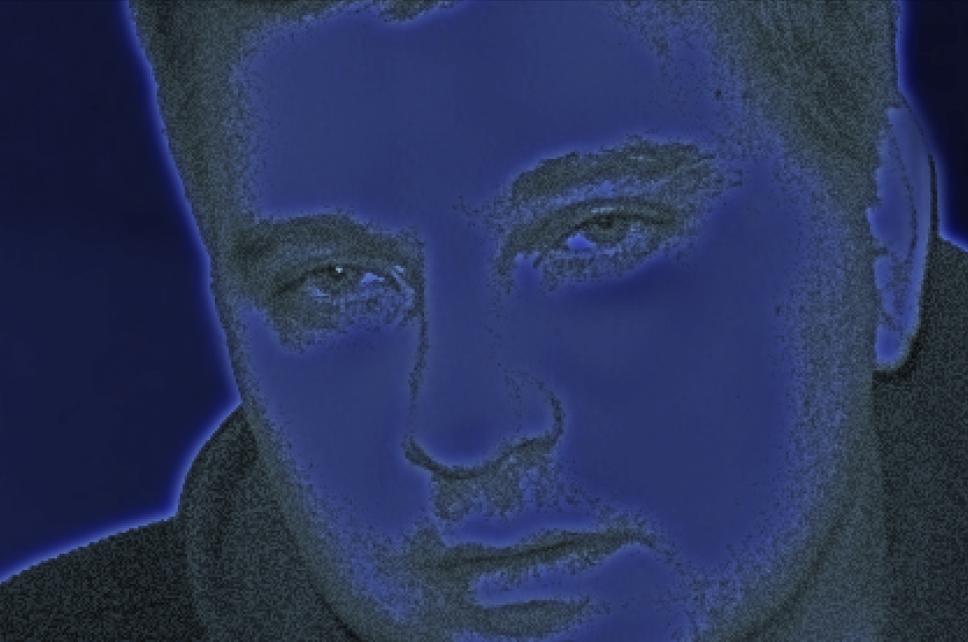
Frequently Asked Questions
Who directed Grain (Buğday) and when was it released?
Semih Kaplanoğlu wrote and directed the film, which hit screens in 2017. It is a Turkish science-fiction drama brought to life through a co-production involving Kaplan Film, Heimatfilm, and several French and German studios.
What is the basic premise of Grain?
The plot centers on Professor Erol Erin, a seed geneticist trapped inside a walled city whose agricultural plantations are failing from an unexplained genetic crisis. His investigation leads him to track down a missing colleague, Cemil Akman, who had previously documented recurring problems with genetically modified seeds.
Who stars in Grain (Buğday)?
Jean-Marc Barr takes on the lead role in the film. The production was a European co-venture, with involvement from German and French production houses alongside the Turkish Kaplan Film.
What makes the world-building in Grain distinctive?
The near-future city is sealed behind magnetic walls that keep multi-ethnic immigrants out, creating a rigidly segregated society. Inside, the corporation Novus Vita appears to be suppressing the true cause of the ongoing seed failures while the agricultural system continues to deteriorate.
Why do fans consider Grain important in the sci-fi genre?
It weaves ecological dread with sharp political allegory about exclusion and corporate concealment, setting it apart from more spectacle-driven science fiction. The film gained wider European visibility through its Arte France Cinéma distribution and festival screenings.
More in German science fiction films 1-24
Spotted an error? Know more?
Reader corrections go straight into our review queue. Suggest an edit · How this site is sourced