Biotin-thiamine-responsive basal ganglia disease
Rare treatable disorder affecting basal ganglia, responsive to thiamine and biotin.
Biotin-thiamine-responsive basal ganglia disease (BTBGD) is a rare, treatable neurometabolic disorder that affects the nervous system, particularly the basal ganglia in the brain. First described in 1998 and genetically distinguished in 2005, it is characterized by progressive brain damage that, if left untreated, can lead to coma or death. The disease has autosomal recessive inheritance and is commonly observed in individuals from Arab populations.
Symptoms can begin at any age but most often appear between ages 3 and 10, with less common onset in early infancy or adulthood. Neurological signs usually come in episodes that worsen over time; a less common form involves persistent symptoms that slowly increase in severity. In the classic childhood presentation, recurrent subacute encephalopathy and dystonia are nearly always present, along with possible spasticity or cogwheel rigidity, seizures, difficulty swallowing, ataxia, slurred speech, ophthalmoplegia, opisthotonus, facial palsy, confusion, hyperreflexia, Babinski responses, and ankle clonus. In early infancy, the condition resembles Leigh-like syndrome or atypical infantile spasms, with acute encephalopathy, vomiting, metabolic acidosis (especially lactic acidosis), and poor feeding during the first three months of life. Late-onset presentation in adulthood is similar to Wernicke-like encephalopathy, featuring ataxia, ophthalmoplegia, double vision, rapid and uncontrollable eye movements, status seizures, and droopy eyelid, with onset during or after the second decade.
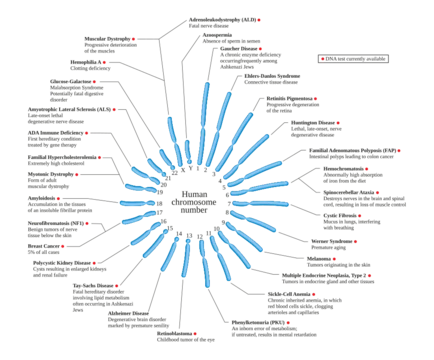
The disorder is caused by mutations in the SLC19A3 gene on chromosome 2q36.3, which encodes the thiamine transporter 2 protein. This protein moves thiamine (vitamin B1) into cells, which is essential for nervous system function; mutations likely impair this transport and absorption. The role of biotin in BTBGD is unclear. Episodes can be triggered by febrile illness, stress, or trauma.
Diagnosis is based on brain imaging and confirmed with genetic testing, with additional support from laboratory tests of biological fluids and a family history consistent with autosomal recessive inheritance. Brain MRI may show lesions on the basal ganglia, central bilateral necrosis in the caudate nucleus and putamen, and vasogenic edema.
Quick Facts
- Specialty
- Neurometabolic disorders
- neurology
- internal medicine
- Onset
- Childhood (ages 3–10)
- Duration
- Lifelong
- Causes
- Family history (inherited)
- Risks
- Febrile illness
- stress
- trauma
- Diagnosis
- Based on symptoms
- family history
- brain imaging
- genetic testing
- Management
- Prevention of symptoms
- avoiding stressors
- and routine surveillance
- Medication
- Administering biotin and thiamine; symptomatic treatments
Facts from the source article.
More in Genetic diseases and disorders
Spotted an error? Know more?
Reader corrections go straight into our review queue. Suggest an edit · How this site is sourced