Krabat
Sorbian folk hero who made a pact with a devil.
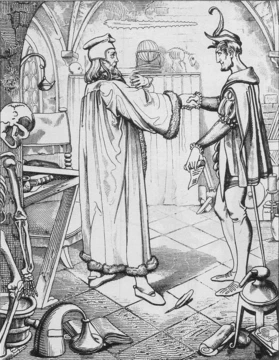
Krabat is a figure from Sorbian folklore, sometimes called the 'Wendish Faust'. The earliest known records of the character date to 1839, though those writings were lost. Over the 19th century, Krabat evolved from an evil sorcerer into a folk hero and beneficial trickster.
Quick Facts
- First recorded
- 1839
- Historical counterpart
- Janko Šajatović (1624–1704)
- Historical counterpart origin
- Croat (Crabat) cavalry commander from Žumberak
- Region of folklore
- Lusatia, notably Čorny Chołmc (Schwarzkollm)
- Aarne–thompson–uther type
- ATU 325, 'The Sorcerer's Apprentice'
Facts from the source article.
Analysis
Historical research suggests Krabat was based on Janko Šajatović, a Croat cavalry commander from Žumberak who came to northern Germany in 1658 to defend Christian Europe. After proving his military skill, a Saxon prince made him a member of his personal guard and granted him property in Groß Särchen. As one of the few literate people in the Sorb-inhabited area, Šajatović helped locals drain swamps, build mills, and begin farming. His popularity among both nobility and commoners led to legends attributing supernatural powers to him after his death. The folk tale of Krabat's apprenticeship to an evil sorcerer is classified as Aarne–Thompson–Uther type 325, 'The Sorcerer's Apprentice', and is centered on the Lusatian settlement of Čorny Chołmc (Schwarzkollm).
Adaptations
Several novels retell the Krabat legend. Měrćin Nowak-Njechorński wrote Mišter Krabat, Jurij Brězan wrote Čorny młyn, and Otfried Preußler wrote Krabat. Preußler's book led to three films: the East German Die schwarze Mühle, the Czech Čarodějův učeň, and the German Krabat.
More in Fictional Characters Who Have Made Pacts with Devils
Spotted an error? Know more?
Reader corrections go straight into our review queue. Suggest an edit · How this site is sourced