Parent
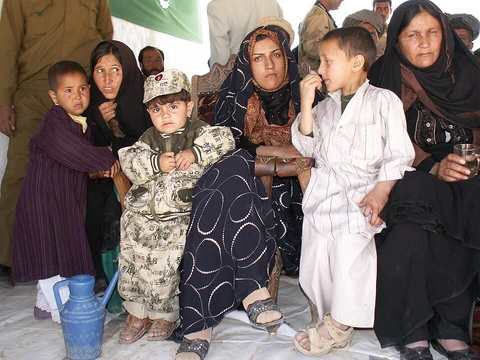
A parent is a progenitor or caregiver of an offspring.

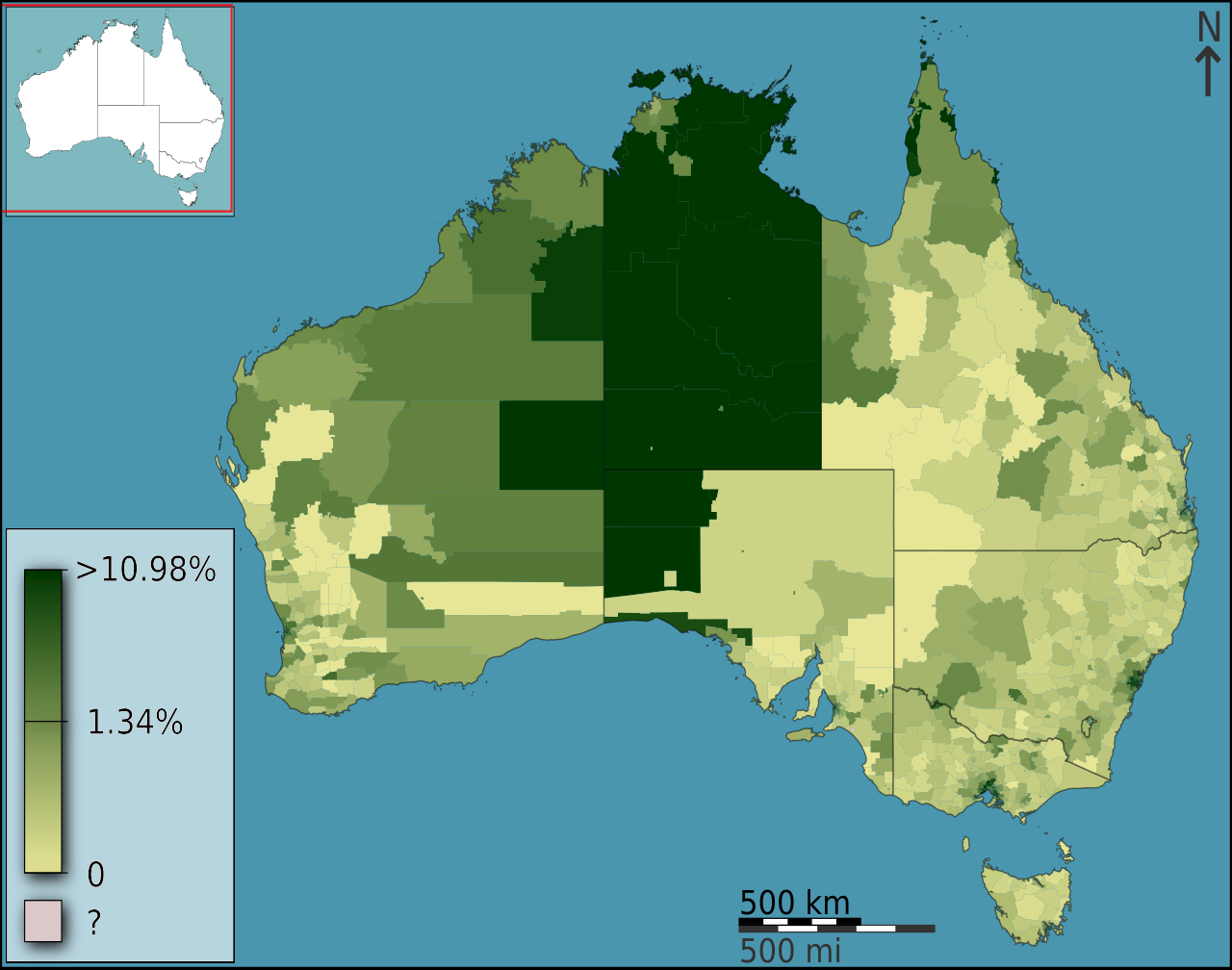
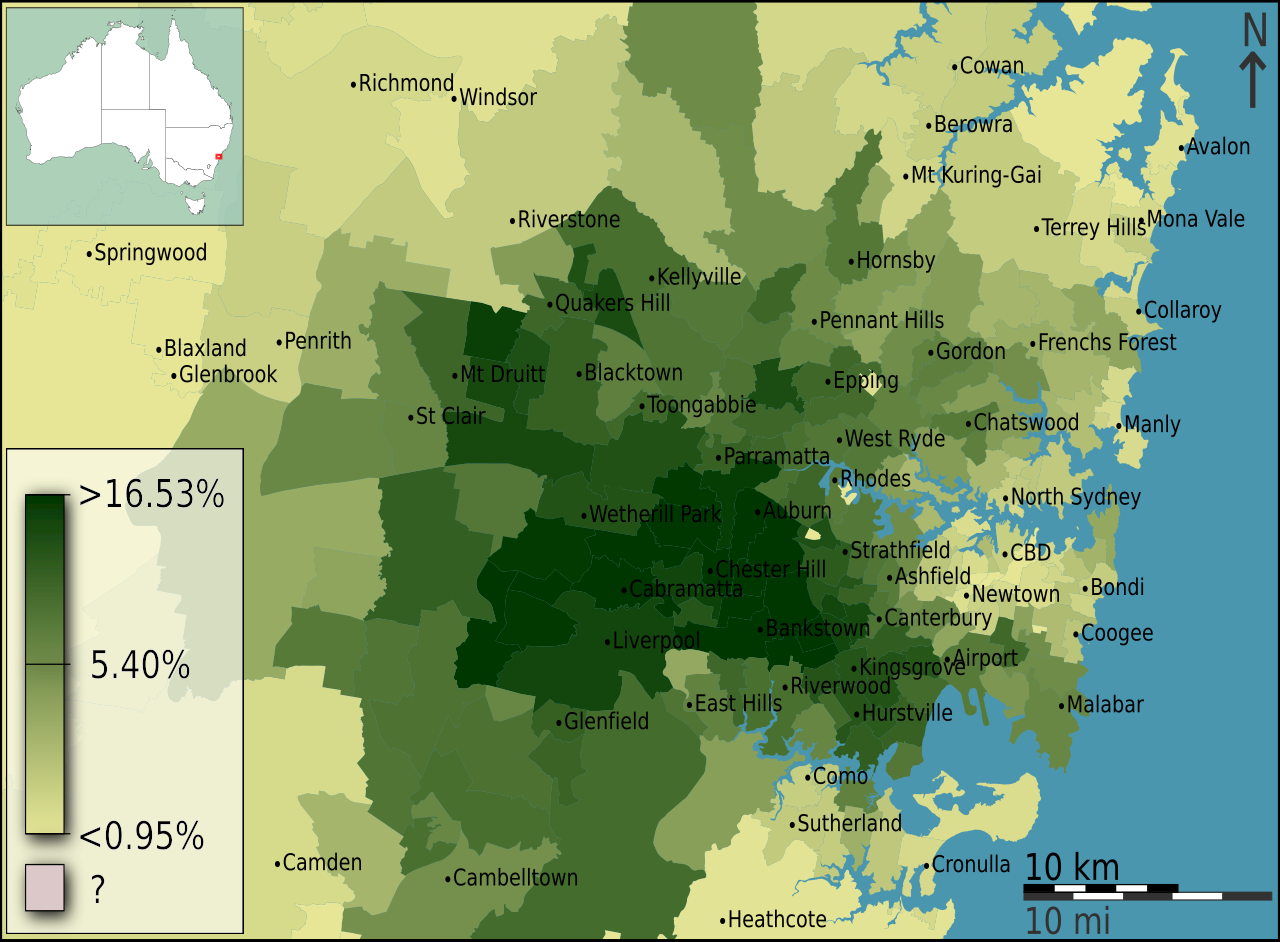
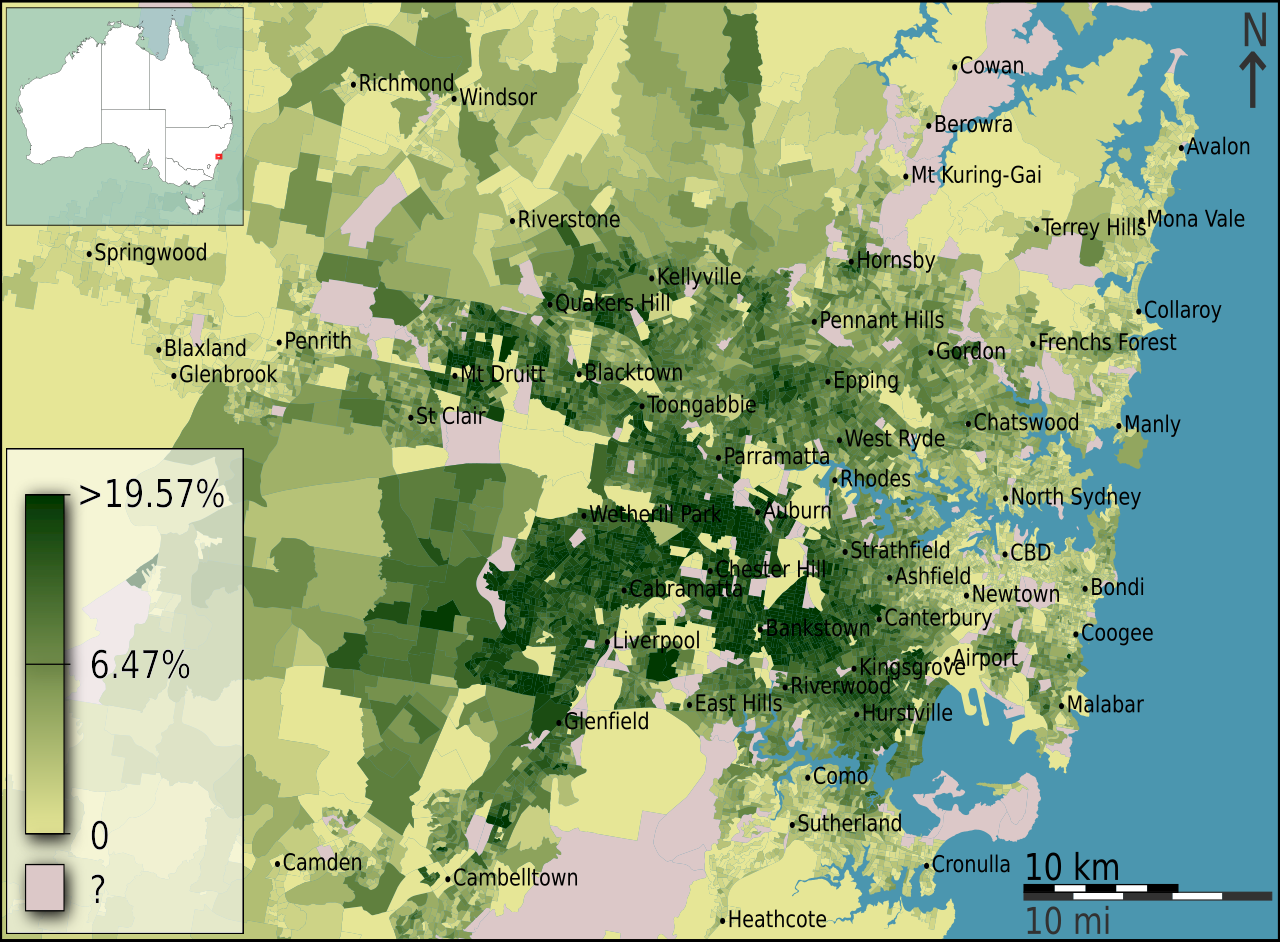
Toby Hudson based on data from the Australian Bureau of Statistics · CC BY-SA 3.0 au
A parent is someone who brings an offspring into existence, or in human contexts, a caregiver or legal guardian—often called an adoptive parent or step-parent. As first-degree relatives, parents share half of their genes with their child. A woman may also become a parent through surrogacy. Some parents are adoptive, meaning they raise a child without a biological link. Orphans without adoptive parents may be raised by grandparents or other relatives. A parent can also be defined as an ancestor one generation removed. Advances in medicine now allow for more than two biological parents, such as in surrogacy or when a third person provides DNA during assisted reproduction that alters the recipient’s genetic material. Common parent types include mothers, fathers, step-parents, and grandparents. A mother is a woman in relation to a child she has given birth to. How involved a parent is in a child’s life varies by culture; too little involvement may be called neglect, while too much may be seen as overprotective, cosseting, nosey, or intrusive.
**Types**
**Biological** A biological parent is the person from whom an individual inherits genes. This term is mainly used to distinguish a foster parent from a biological one. For instance, if a father remarries, his new wife may be called a stepmother, while the original mother remains “mother.” Conversely, someone with little contact with their biological mother might call their foster parent “mother” and refer to their biological mother by her first name.
**Mother** A mother is a female with a maternal connection to another person, whether through conception, childbirth, or raising the individual as a parent. More than one female can have such a connection. Because definitions and roles vary widely across social, cultural, and religious contexts, a universal definition is challenging. The use of a surrogate mother can result in two biological mothers.
**Father** A father is a male parent of any offspring. He may be the person who helps raise a child or who provides the sperm that leads to the child’s birth.
**Grandparent** Grandparents are the parents of a person’s parent, whether father or mother. Every sexually reproducing creature that is not a genetic chimera has up to four genetic grandparents, eight great-grandparents, sixteen great-great-grandparents, and so on. In rare cases, such as sibling or half-sibling incest, these numbers are lower.
**Paternity issues** A paternity test proves whether a male is the biological father of another person, relevant for rights and duties. A pregnancy test is less common because, except in embryo transfer or egg donation, the mother is usually obvious during childbirth and pregnancy. However, it is used in legal battles over maternity, when a mother has not seen her child for a long time, or to identify deceased individuals. Though not fully reliable, certain congenital traits—like attached earlobes, a widow’s peak, or a cleft chin—can be tentative indicators of parenthood, as they are inherited via autosomal-dominant genes. DNA analysis (genetic fingerprinting) is more reliable. Older methods include ABO blood group typing, analysis of proteins and enzymes, or human leukocyte antigens. Current techniques use polymerase chain reaction and restriction fragment length polymorphism, but genetic fingerprinting has largely replaced other methods.
**Rights and responsibilities**
**Guardianship** A legal guardian has the authority and duty to care for the personal and property interests of another person, called a ward. Guardianship typically applies to incapacitated seniors, minors, or developmentally disabled adults. Most countries and states have laws making a minor child’s parents the legal guardians, and parents can designate a successor upon death, subject to court approval. Some jurisdictions allow a parent to act as a natural guardian without a formal court appointment.
**Parenting** Parenting, or child rearing, is the process of promoting and supporting a child’s physical, emotional, social, financial, and intellectual development from infancy to adulthood. It refers to raising a child apart from the biological relationship.
**Gender and gender mix** A child has at least one biological father and one biological mother, but not every family is a traditional nuclear family. Variants include adoption, shared parenting, stepfamilies, and LGBT parenting.
- definition
- Progenitor of an offspring or a caregiver/legal guardian
- genetic_relation
- First-degree relative, sharing 50% of genes
- common_types
- Mothers, fathers, step-parents, grandparents
- biological_parents
- Persons from whom an individual inherits their genes
- legal_role
- Legal guardian with authority to care for a ward
- parenting_process
- Promoting physical, emotional, social, financial, and intellectual development of a child
Lore & Background
A parent can be elaborated as an ancestor removed one generation. With recent advances in medicine, it is possible to have more than two biological parents, including instances involving surrogacy or a third person who has provided DNA samples during an assisted reproductive procedure. A female can become a parent through surrogacy, and some parents are adoptive parents who nurture and raise an offspring but are not related to the child. Orphans without adoptive parents can be raised by their grandparents or other family members. The extent to which it is socially acceptable for a parent to be involved in their offspring's life varies from culture to culture. A parent who exhibits too little involvement is sometimes said to exhibit child neglect, while one that is too involved is sometimes said to be overprotective, cosseting, nosey, or intrusive. A child has at least one biological father and at least one biological mother, but not every family is a traditional nuclear family; variants include adoption, shared parenting, stepfamilies, and LGBT parenting.
Reader's Guide
The concept of a parent encompasses biological, adoptive, and legal roles, with rights and responsibilities that include guardianship and the process of parenting. Most countries and states have laws that provide that the parents of a minor child are the legal guardians of that child. Parenting refers to the aspects of raising a child aside from the biological relationship. Social science literature mostly rejects the notion that there is an optimal gender mix of parents or that children with same-sex parents suffer developmental disadvantages; family processes, such as the quality of parenting and relationships, contribute to determining children's well-being rather than family structures per se. In Europe, parents are generally happier than non-parents, with happiness increasing most in the year before and after the first childbirth.
Did You Know?
- A parent can be an ancestor removed one generation.
- With recent medical advances, it is possible to have more than two biological parents.
- A paternity test is conducted to prove whether a male is the biological father of another individual.
The Discipline's Core Question
Anthropologists have long grappled with what kinship truly means, and the discipline's internal debates reveal just how central this concept is to understanding human society. Robin Fox framed the inquiry as examining what people do with fundamental biological realities—mating, gestation, parenthood, socialization, siblingship. His key insight was that humans share the same biological raw material as the animal world yet possess the unique capacity to conceptualize and categorize those facts to serve social purposes. Those purposes span the socialization of children and the construction of basic economic, political, and religious groups. Over time, the field has accumulated a rich vocabulary of related concepts—descent, descent group, lineage, affinity, consanguinity, cognate, and fictive kinship—each carving out a different slice of the social web. The term itself operates on two levels: it can name the patterns of social relationships as they exist, or it can refer to the academic study of those patterns across one or more cultures.
Organizing the Household
The family serves as the principal institution for raising children in most societies, yet its structural form varies enormously across cultures. Anthropologists broadly classify family organization into several types: matrifocal arrangements centering a mother and her children; conjugal or nuclear units pairing a husband, wife, and their offspring; avuncular configurations built around a brother, his sister, and her children; and extended family structures in which parents and children co-reside alongside other members of one parent's family. Crucially, child-rearing is not the family's sole function. In societies characterized by a sexual division of labor, marriage and the resulting partnership between two people become necessary for establishing an economically productive household. The family, then, is a group bound by consanguinity, affinity, or shared residence and consumption—a flexible institution whose shape reflects the economic and social demands of the culture that builds it.
Naming the Web
How a society names its relatives reveals deep structural choices about how it organizes social life. Different cultures classify kinship relations in fundamentally different ways, producing distinct terminological systems. Some languages draw a sharp line between affinal and consanguine uncles, while others deploy a single word to cover both a father and his brothers. Terminologies fall into two broad camps: descriptive systems, where each term maps to one specific relationship, and classificatory systems, where a single label absorbs many different relational types. English, for instance, uses "brother" descriptively to mean only a son of one's same parent, whereas in many classificatory systems a person's male first cousin—regardless of which parental line connects them—may also be called a brother. Lewis Henry Morgan identified six major patterns in his 1871 work: Iroquois, Crow, Omaha, Inuit, Hawaiian, and Sudanese. A seventh, Dravidian kinship, was later recognized as a distinct classificatory type.
Beyond the Bloodline
Kinship extends far beyond the biological or the familial. In biology, the term typically denotes the degree of genetic relatedness between individuals of a species, a concept central to kin selection theory, and when applied to humans it approximates consanguinity or genealogy. In a more general register, kinship can describe a perceived similarity or affinity between any two entities based on shared characteristics—whether a common ontological origin, a historical or cultural connection, or other features that link them. A linguist investigating etymology might ask whether the English word "seven" and the German "sieben" share kinship. In everyday usage, the word takes on an even more diffuse, emotional quality, as in a headline suggesting a celebrity feels kinship with a historically vilified figure, implying a felt empathy or resemblance. In anthropology, kinship relationships may stretch to encompass people with whom an individual holds economic or political ties, or in some cultures, descent groups traced back to divine or animal ancestors, conceived on varying degrees of literalness.
Gallery

Frequently Asked Questions
Who is a Parent?
A Parent is the biological progenitor of a child, or alternatively, a caregiver or legal guardian who assumes that role. This category includes adoptive parents, step-parents, and other guardians who take responsibility for a child's well-being.
What is the genetic link between a Parent and their offspring?
A Parent is classified as a first-degree relative to their child, meaning they share exactly half of their genetic material. This 50% gene sharing is what defines the biological parent-child relationship.
What are the most common types of parents?
The most frequently recognized parent types are mothers, fathers, step-parents, and grandparents. Each of these roles carries distinct biological, social, or legal dimensions within a family structure.
What legal authority does a Parent hold?
A Parent serves as a legal guardian with the authority to make decisions and provide care for a ward. This legal role grants them responsibility over the child's welfare, education, and daily needs.
What does the parenting process include?
Parenting encompasses fostering a child's physical, emotional, social, financial, and intellectual development. It is a multifaceted commitment that extends well beyond basic biological reproduction.
More in Family And Kinship 1-15
Spotted an error? Know more?
This is a living reference — every entry is fact-audited, and reader corrections feed straight into our audit queue. Suggest an edit · See this site's audit record