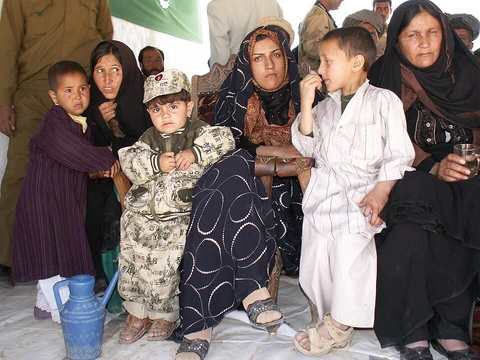
Extended family
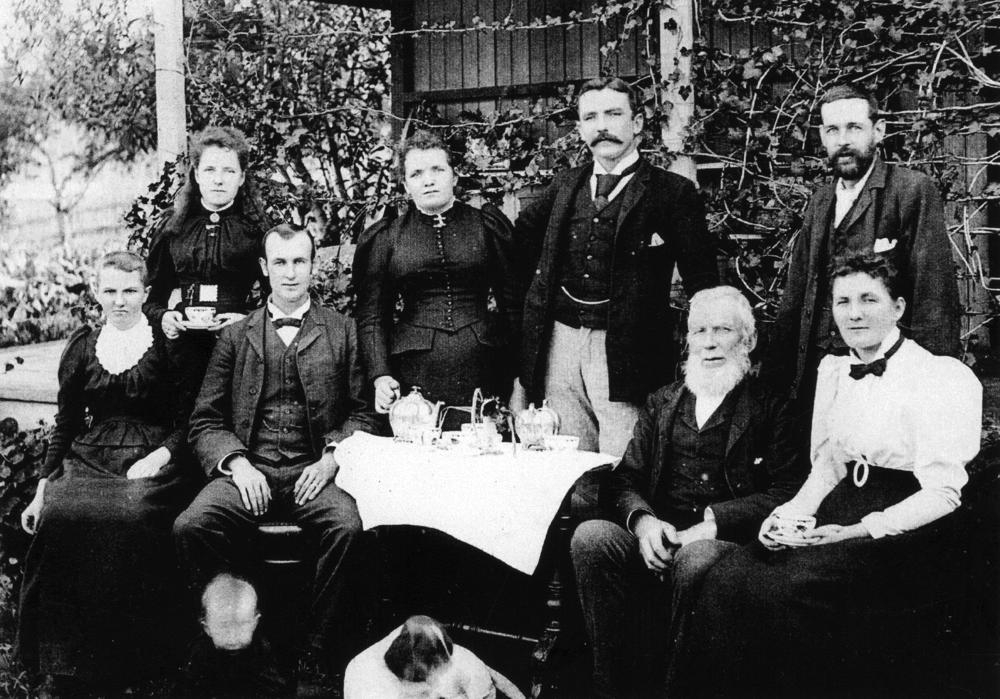
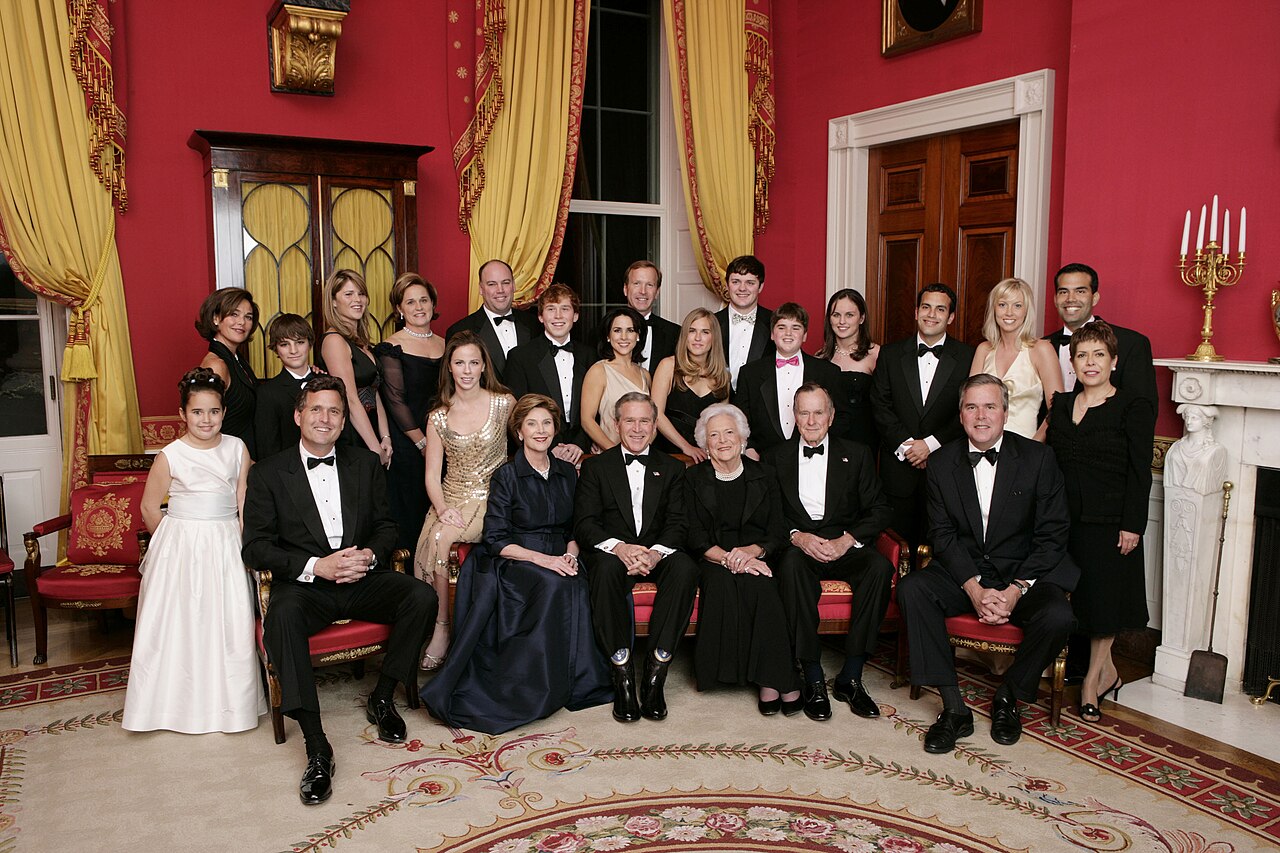
Extended family includes relatives beyond the nuclear family.

White House photo by Eric Draper · Public domain
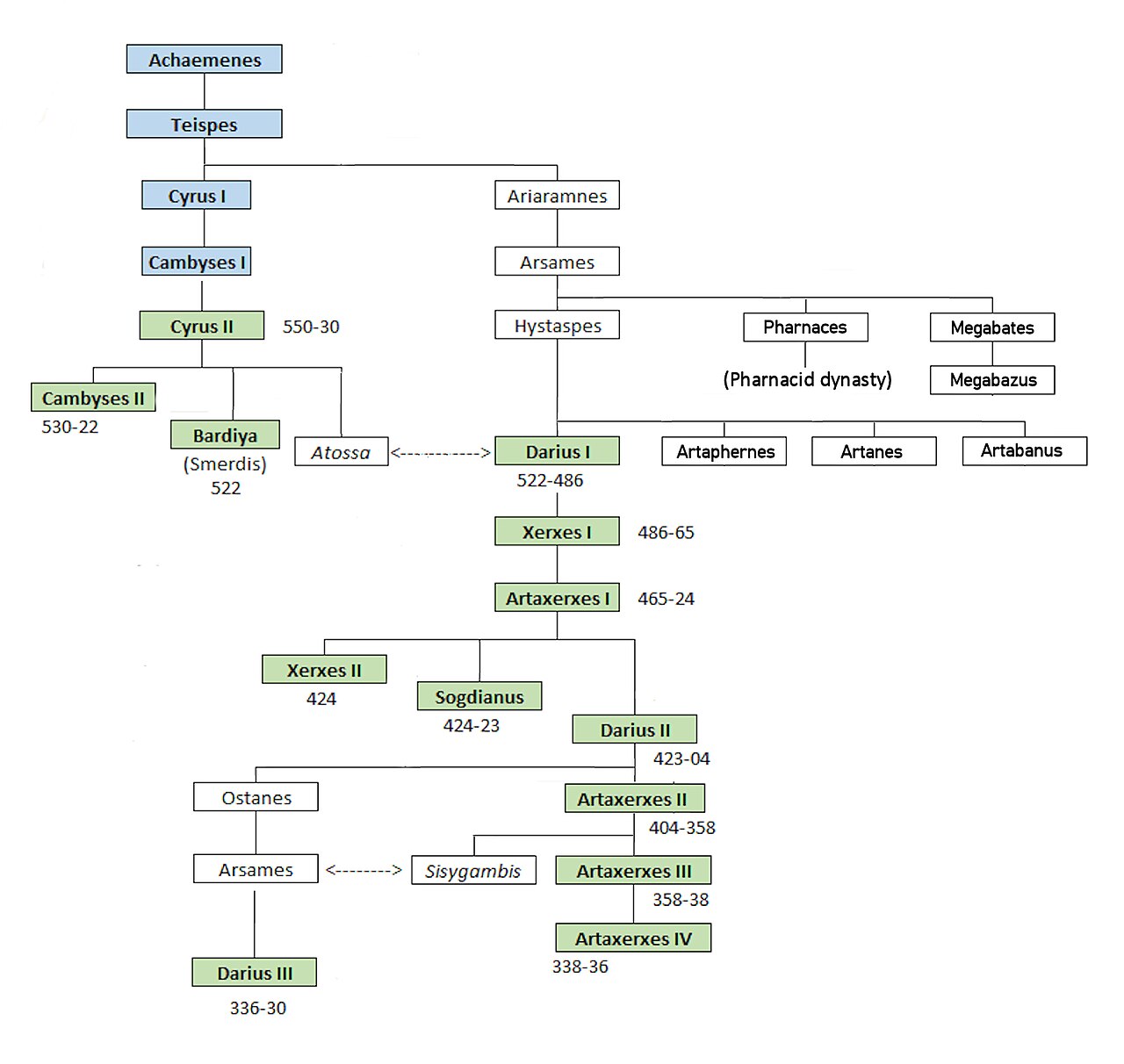
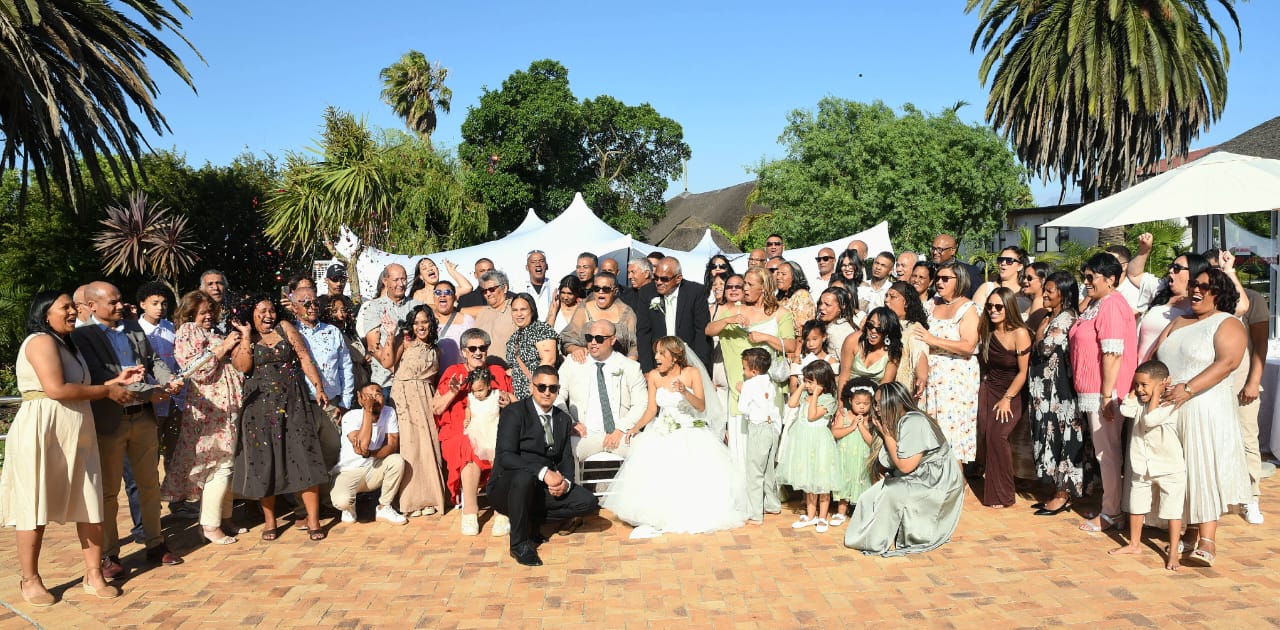
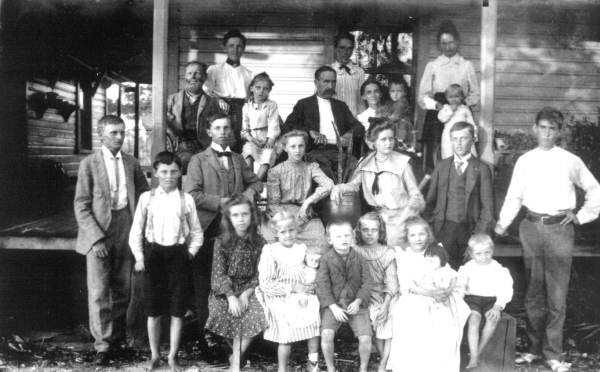
An extended family includes relatives beyond parents and their children, such as aunts, uncles, grandparents, and cousins, who live either in the same household or close by. Two specific types are the stem family and the joint family. In many parts of the world—including Asia, the Middle East, Africa, Indigenous communities, Latin America, and parts of Eastern and Southern Europe—the extended family, not the nuclear family, is the standard household unit.
Extended families can form when a relative, like an elderly parent, moves in with an immediate family member. In modern Western cultures, the term often loosely refers to grandparents, aunts, uncles, and cousins, regardless of whether they share a home. But it can also mean several generations living under one roof. The stem family, first described by Frédéric Le Play, involves parents living with one married child and that child’s spouse and children, while other children either leave or stay unmarried. This arrangement is sometimes linked to unequal inheritance, as in Japan and Korea, but in places like traditional Romania, northeastern Thailand, or among Mesoamerican Indigenous peoples, property is divided more equally, with the child who cares for the parents receiving the house as an extra share.
Sociologists note that extended families living together can offer advantages like a stronger sense of security and belonging, since more members are available to help during crises and to model cultural values. Even in cultures where adults typically form their own nuclear households after marriage, extended family networks often provide similar support. In working-class communities, grown children frequently settle near their parents, aunts, uncles, and grandparents, gathering for events and helping each other emotionally and financially. Despite the perception that modern families are more mobile, sociologists find that extended family ties haven’t necessarily broken down; technology like the Internet and social media helps maintain contact. For single-parent households, sharing a home with extended family can ease financial burdens, though it may also create strain if only a few members bear most of the expenses. In the United States, about 49 million people (16.1% of the population) live in multigenerational homes, up from 42 million in 2000, with similar trends in Western Europe. Another 34% live within a kilometer of their children.
Around the world, extended families are the norm in many cultures, and even in Western Europe, stem families were once common—England being a rare exception. During the Industrial Revolution (roughly 1750 to 1900), more people in Britain and the United States lived in extended families than at any other time. Today, middle-class families often move for jobs, leading to geographical separation, and older children may not meet extended relatives until they are old enough to walk or drive. Many families hold reunions, often around holidays, to strengthen connections. In multigenerational households, elders typically lead, especially in patriarchal and patrilineal societies, where the family often includes grandparents, their sons, and their sons’ families. These extended groups discuss matters and solve problems together.
In the Indian subcontinent, the joint family system has long been traditional. This arrangement includes many generations living together, bound by common relationships. A patrilineal joint family typically consists of an older man, his wife, his sons and unmarried daughters, and his sons’ wives and children. The oldest male usually acts as patriarch, making economic and social decisions for the whole family, while his wife often manages domestic matters.
- definition
- Family extending beyond parents and children to include other relatives
- forms
- Stem family, joint family
- prevalence
- Basic family unit in many non-Western cultures
- US multigenerational households (2010)
- Approximately 50 million (nearly one in six Americans)
- US multigenerational households (2000)
- 42 million
- US multigenerational households (recent)
- 49 million (16.1% of total population)
- US grandparents raising grandchildren (2
- 2.7 million
Lore & Background
The extended family has been discussed by sociologists such as Frédéric Le Play, who first described the stem family, a type where parents live with one married child and their spouse and children, while other children leave or remain unmarried. This form is sometimes associated with inegalitarian inheritance practices, as in Japan and Korea, but also appears in egalitarian contexts like traditional Romania, northeastern Thailand, and Mesoamerican indigenous peoples, where the child who cares for the parents receives the house in addition to their own share of property.
Reader's Guide
Extended families are significant because they provide a wider support network, offering greater security and belonging during crises, and more role models for perpetuating cultural values. Even in cultures where nuclear families are the norm, extended family often forms an important support network, especially in working-class communities where grown children tend to live nearby. In the United States, the number of multigenerational households has risen, driven by factors such as increased unemployment, slumped housing prices, and immigration. The extended family remains a fundamental social unit globally, with technological aids like the Internet and social networking sites helping maintain ties across distances.
Did You Know?
- An estimated 49 million Americans (16.1% of the total population) live in homes comprising three or more generations.
- In the Indian subcontinent, the joint family system is a patrilineal extended family arrangement where family income flows into a common pool.
Structural Forms Across Cultures
The extended family takes several distinct organizational shapes depending on cultural context. The stem family, a concept first articulated by Frédéric Le Play, describes a household where parents cohabit with one married child, that child's spouse, and their offspring, while remaining children either depart or stay unmarried. In Japan and Korea, this structure has historically been linked to inegalitarian inheritance, whereas in traditional Romania, northeastern Thailand, and among Mesoamerican indigenous peoples, the arrangement coexists with more egalitarian property transfers, with the caregiving child typically receiving the family home alongside their proportional share of land and assets. A far more expansive model is the joint family system, long dominant across the Indian subcontinent. There, multiple generations—grandparents, their sons and unmarried daughters, sons' wives, and grandchildren—share a single residence. A patriarch, usually the eldest male, governs economic and social decisions for the entire group, while his wife typically oversees domestic affairs and minor religious observances. All family income is pooled into a common fund from which the household heads allocate resources to meet every member's needs.
Sociological Functions and Support Networks
Sociologists have long recognized that extended family arrangements offer tangible benefits beyond what a nuclear household can provide. A larger pool of members creates a broader safety net during crises, while the presence of multiple role models helps transmit cultural values and expected behaviors across generations. Even in societies where adults are expected to establish separate nuclear households after marriage, extended kin frequently function as a critical support network. This is especially visible in working-class communities, where grown children often set up their own homes in the same general neighborhood as parents, aunts, uncles, and grandparents. These dispersed but proximate relatives gather regularly for family events and feel a mutual obligation to offer emotional and financial assistance to one another. For single-parent households specifically, sharing a single residence with extended family members can ease the financial burden of meeting basic expenses. However, this arrangement is not without drawbacks; when only a small number of members bear the majority of financial responsibility, the strain on those individuals can become significant, particularly as the number of dependent family members grows.
Global Prevalence and Historical Roots
Far from being a relic of the past, the extended family remains the foundational household unit across a vast majority of the world's cultures. In Asian, Middle Eastern, African, Latin American, Caribbean, and Indigenous societies—including Native American and Pacific Islander communities—the multi-generational household is the standard rather than the exception. Even in Eastern and Southern European Orthodox and Catholic countries, extended arrangements have long been the norm. Western Europe, too, historically favored stem-family structures, with England standing out as a notable exception. In Britain and the United States, the period of the Industrial Revolution, roughly spanning 1750 to 1900, actually saw more people living in extended family arrangements than at any other point in their respective histories. This suggests that the nuclear family model often celebrated in modern Western discourse is, in many regions, the deviation rather than the default. In patrilineal and patriarchal societies where multiple generations cohabit, the household is typically led by the eldest generation, with grandparents, their sons, and those sons' families forming the core structure. Decisions are made collectively, and the group works together to resolve shared problems.
Modern Adaptations and Demographic Shifts
Despite the common assumption that modern mobility and individualism have eroded extended family bonds, the data tells a more nuanced story. An estimated 49 million Americans—roughly 16.1 percent of the total population—now live in homes spanning three or more generations, a figure that has climbed from 42 million in 2000. A similar pattern holds across Western Europe. Another 34 percent of Americans reside within a kilometer of their children, preserving the geographic proximity that facilitates regular contact. For middle-class families whose members relocate for career opportunities, geographical separation from extended kin has become common, and older children in nuclear households may not meet their wider relatives until they reach walking or even driving age. Yet sociologists note that this physical distance has not led to the dissolution of family networks. Instead, digital tools such as the Internet and social networking platforms like Facebook have become standard means of maintaining ongoing contact and reinforcing family ties. Many extended families also organize periodic reunions, typically timed around holidays, to reestablish connections and integrate individual nuclear families back into the broader kinship web.
Gallery

Frequently Asked Questions
What is an extended family?
An extended family is a household or family unit that goes beyond the basic parent-and-children structure to incorporate additional relatives such as aunts, uncles, grandparents, and cousins. These relatives may share the same home or simply live in close proximity to one another.
What are the main structural forms of an extended family?
The two recognized forms are the stem family and the joint family. A stem family typically keeps one married couple plus one set of children in the lineage, while a joint family brings multiple generations and sibling branches together under one roof.
In which cultures is the extended family the standard household model?
Across many Asian, Middle Eastern, African, Indigenous, Latin American, and Eastern/Southern European societies, the extended family serves as the default unit of domestic life. This stands in contrast to the nuclear-family norm that dominates much of modern Western culture.
Why is the extended family considered significant in family-studies discourse?
It demonstrates that the nuclear family is not a universal default but rather one of several viable domestic arrangements. Recognizing extended-family structures helps scholars and policymakers avoid treating Western nuclear norms as the only legitimate model of kinship.
More in Family And Kinship 1-15
Spotted an error? Know more?
This is a living reference — every entry is fact-audited, and reader corrections feed straight into our audit queue. Suggest an edit · See this site's audit record