Ictal asystole
Rare seizure-related heart stoppage linked to temporal lobe epilepsy.
Ictal asystole is a rare condition in which the heart stops beating during a seizure, most often associated with temporal lobe epilepsy. It can be identified by loss of muscle tone or bilateral asymmetric jerky limb movements, though ECG monitoring is required for confirmation. This condition can lead to sudden death in epileptic patients.
Did You Know?
- Ictal asystole is more common than other seizure-related heart issues like ictal atrioventricular block and ictal bradycardia.
- The condition increases risks of sudden falls, severe injuries, and being unresponsive.
- Most cases involve temporal lobe or insular epilepsy affecting the heart.
Causes
Ictal asystole arises from temporal and frontal lobe seizures. During a seizure, brain activity can slow or stop the heart for several seconds. Long-term ictal asystole may cause cerebral anoxic ischemia. Men tend to develop ictal asystole earlier in the course of epilepsy, while women experience a longer delay between epilepsy onset and the appearance of ictal asystole.
Diagnosis
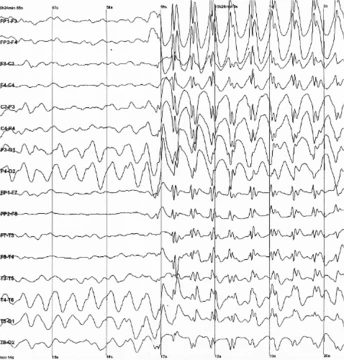
Simultaneous electroencephalogram (EEG) and electrocardiogram (ECG) monitoring is required, with the heart stopping for at least 4 seconds to confirm the diagnosis. Video electroencephalography monitoring (VEM) combined with ECG helps detect this rare heart condition. Ictal asystole most often appears on the left side of the brain and is linked to drug-resistant temporal lobe seizures, though it can also occur when seizures spread to both hemispheres.
Treatment
Initial treatment involves antiepileptic drugs (AEDs) such as levetiracetam, carbamazepine, lamotrigine, and valproate, but response varies. About 70% of patients do not improve with AED therapy alone, and only one-third become seizure-free. For those with cardiac dysfunction or who fail medication, cardiac pacemaker implantation may be used. Epilepsy surgery, specifically anterior temporal lobectomy, can also lead to seizure freedom and symptom resolution.
More in Epilepsy
Spotted an error? Know more?
Reader corrections go straight into our review queue. Suggest an edit · How this site is sourced