Computational models in epilepsy
Models using differential equations to study seizure dynamics across scales.
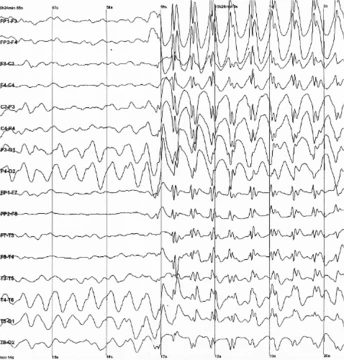
Computational models in epilepsy use differential equations to reproduce the temporal evolution of electrophysiological signals recorded during seizures. These models serve diverse goals, from predicting seizures to understanding underlying mechanisms. Phenomenological approaches focus on observed dynamics, often reduced to few dimensions for dynamical systems analysis, while mechanistic models explain biophysical interactions. Large-scale network models can be related to human EEG recordings and offer directions for clinical research, particularly for refractory epilepsy. Other approaches model neuron-scale biophysical processes to study homeostasis and the link between physical quantities like potassium concentration and pathological dynamics.
Quick Facts
- Book summarizing works
- Computational Neuroscience in Epilepsy (2008)
Facts from the source article.
More in Epilepsy
Spotted an error? Know more?
Reader corrections go straight into our review queue. Suggest an edit · How this site is sourced