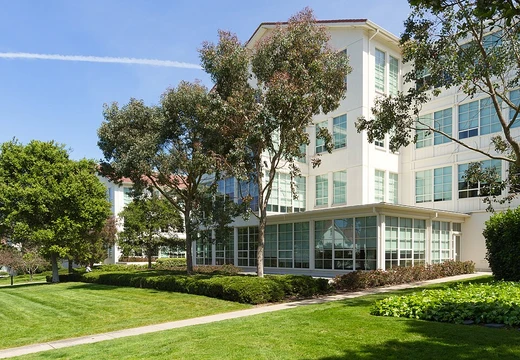
Building design
Broadly based architectural, engineering, and technical applications to building design.
Last updated
Building design—often referred to as architectural design—covers the architectural, engineering, and technical work involved in planning buildings. Every building project needs a building designer, most commonly a licensed architect. For smaller, simpler jobs, a licensed professional may not be required; these projects are often handled by building designers, draftspersons, interior designers (for interior fit-outs or renovations), or contractors. Larger, more complex projects require a team of specialists from various disciplines, typically coordinated by an architect.
Architect
An architect is trained to plan, design, and oversee building construction. Because an architect’s decisions affect public safety, they must complete advanced education and a practicum (internship) to gain practical experience before earning a license. In most jurisdictions worldwide, the professional use of the term "architect" is legally protected. Building engineering usually involves electrical, mechanical, and structural engineers.
A drafter (or documenter) holds a certificate or diploma in architectural drafting (or equivalent training) and focuses on preparing construction documents rather than on building design. Some draftspersons work for architectural firms or building contractors; others are self-employed. In many places, building codes and professional regulations allow people to design single-family homes and, in some cases, light commercial buildings without an architectural license. "Building designer" is a common title in the United States, Canada, Australia, and elsewhere for someone who offers building design services but is not a licensed architect or engineer. Anyone can use the title in its broadest sense.
Building designer
In many areas, a building designer can earn certification to show a higher level of training. In the U.S., the National Council of Building Designer Certification (NCBDC), part of the American Institute of Building Design, offers a program leading to the title Certified Professional Building Designer (CPBD). Building designers are usually trained as architectural technologists or draftspersons; they may also be architecture school graduates who haven’t completed licensing requirements.
Many are called "residential" or "home designers" because they focus on residential design and remodeling. In Nevada, "Residential Designer" is a regulated term for those registered with the Nevada State Board of Architecture, Interior Design and Residential Design; it is illegal to represent oneself professionally without current registration. In Australia, where the term "architect" is highly restricted but architectural design itself has few restrictions, "building designer" is widely used by individuals or firms not registered with the relevant State Board of Architects. In Queensland, legislation licenses building designers as part of a broader building industry licensing system.
Building surveyor
Victoria has a registration process for building designers, while other states currently have no regulation. Each state has a Building Designers Association to represent their interests. Building surveyors are technically minded general practitioners in the United Kingdom, Australia, and elsewhere, trained similarly to architectural technologists. In the UK, their knowledge applies to tasks in property and construction, including building design for smaller residential and light commercial projects.
This role resembles that of the geometra in Italy and the géomètre in France, Belgium, and Switzerland. Building surveyors can also prepare bills of quantities for new works, renovations, maintenance, or rehabilitation. The profession does not exist in the United States, where "surveyor" refers almost exclusively to land surveyors. In the U.S., architects, building designers, residential designers, construction managers, and home inspectors perform some or all of the work of a UK building surveyor.
Quick Facts
- Field
- Building design, architectural design
Facts from the source article.
Lore & Background
Building design involves the services of many professionals. An architect is a person trained in planning, design, and supervision of construction, requiring advanced education and a practicum to earn a license. Building engineers include electrical, mechanical, and structural engineers. Drafters prepare construction documents, while building designers may design single-family residential or light commercial buildings without an architectural license in many places.
Reader's Guide
Building design is significant as the overarching discipline that coordinates the work of architects, engineers, drafters, and building designers to create safe and functional structures. The profession is regulated in various ways: architects must be licensed in most jurisdictions, while the title 'building designer' is broadly usable but may be certified (e.g., Certified Professional Building Designer in the U.S.) or regulated in specific places like Nevada and Queensland. Building surveyors in the UK and Australia perform design tasks for smaller projects, a role not present in the U.S. The field's legacy lies in its integration of multiple specialties to ensure public safety and effective construction.
More in Design & Digital Arts
Sources
Compiled from Wikipedia and the sources listed below. Text from Wikipedia is available under CC BY-SA 4.0; this entry is adapted from it.
- Wikipedia: Building design (CC BY-SA 4.0).
Spotted an error? Know more?
Reader corrections go straight into our review queue. Suggest an edit · How this site is sourced