Kharga Oasis
Egypt's southernmost oasis, a crossroads of ancient trade and modern life.
Last updated
Where it is
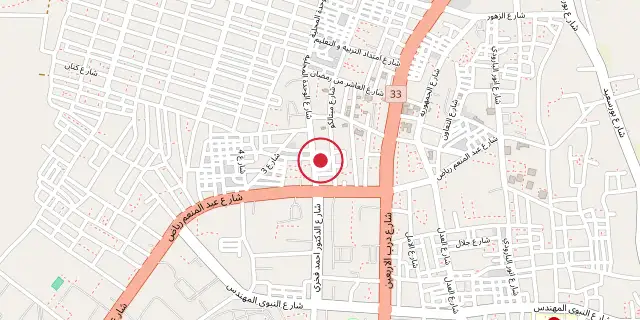
Coordinates: 25°26′56″N 30°32′24″E (25.4490, 30.5400) · Open in OpenStreetMap
Coordinates and connected clubs: the infobox of Wikipedia: Kharga Oasis (CC BY-SA 4.0). Map: drawn by Codexery from OpenStreetMap tiles.
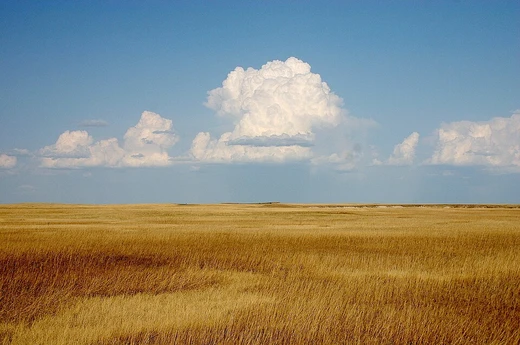
Its climate is classified as hot desert (BWh), with extreme summers and no precipitation for most of the year.[1][2] Among Egypt's five western oases, Kharga is the furthest south, sitting in the Western Desert roughly 200 km west of the Nile valley.[3]
Biology and range
The ancient Darb El Arba'īn caravan route passed through Kharga, transporting animals and plants for at least 700 years.[4][5] The desert route was less expensive and safer than the Nile route.[6] The maximum extent of the route was approximately 1800 km from Kobbei in Darfur to Asyut in Egypt.[7] Evidence suggests this route was in use as early as the Old Kingdom period for transporting and trading animals.[5]
What the specialist sources record
A 2016 study reported that the dagger buried with Pharaoh Tutankhamun was made from an iron meteorite, with metal proportions similar to a meteorite discovered near and named after Kharga Oasis.[8][9] The study noted that only the Kharga meteorite had nickel and cobalt contents consistent with the blade's composition.[9]
References
- Wikipedia, "Kharga Oasis" (CC BY-SA 4.0), which cites: "Climate: Kharga - Climate graph, Temperature graph, Climate table", Climate-Data.org (we also read that source) en.wikipedia.org
- "Climate: Kharga - Climate graph, Temperature graph, Climate table", Climate-Data.org. facts only, no text reused. en.climate-data.org
- Wikipedia, "Kharga Oasis" (CC BY-SA 4.0), which cites: Ball, J. 1900. Kharga Oasis: its topography and geology. Survey Department, Public Works Ministry, Geological Survey Report 1899, Part II. Cairo: National Print; Maciej Paprocki, Roads in the Deserts of Roman Egypt: Analysis, Atlas, Commentary (Oxbow, 2019), p. 259. (original not read by us) en.wikipedia.org
- Wikipedia, "Kharga Oasis" (CC BY-SA 4.0), which cites: Williams, "AramcoWorld: 75 Years of Visual Storytelling Through Photography", Aramco World, March 5, 2024 (original not read by us) en.wikipedia.org
- Wikipedia, "Kharga Oasis" (CC BY-SA 4.0), which cites: Williams, "AramcoWorld: 75 Years of Visual Storytelling Through Photography", Aramco World, March 5, 2024; Jobbins, "The 40 days' nightmare", Al-Ahram, 13–19 November 2003 (original not read by us) en.wikipedia.org
- Wikipedia, "Kharga Oasis" (CC BY-SA 4.0), which cites: Shaw, W. B. K. “DARB EL ARBA’IN. THE FORTY DAYS’ ROAD.” Sudan Notes and Records, vol. 12, no. 1, 1929, pp. 63–71. JSTOR, . Accessed 27 Sep. 2022. (original not read by us) en.wikipedia.org
- Wikipedia, "Kharga Oasis" (CC BY-SA 4.0), which cites: Burr, "Darfur: The Long Road to Disaster", Markus Wiener, 2006, p. 6–7 (we also read that source) en.wikipedia.org
- Wikipedia, "Kharga Oasis" (CC BY-SA 4.0), which cites: King Tutankhamun buried with dagger made of space iron, study finds, ABC News Online, 2 June 2016 (we also read that source) en.wikipedia.org
- King Tutankhamun buried with dagger made of space iron, study finds, ABC News Online, 2 June 2016. facts only, no text reused. abc.net.au
Each numbered sentence above was checked against the source it cites before publication. Sentences citing Wikipedia adapt text from the English Wikipedia article Kharga Oasis (contributors), used under CC BY-SA 4.0; this entry is available under the same licence. Other sources were used for facts only; no text or images are copied from them.
More in Desert Landscapes
Sources
Compiled from Wikipedia and the sources listed below. Text from Wikipedia is available under CC BY-SA 4.0; this entry is adapted from it.
- Wikipedia: Kharga Oasis (CC BY-SA 4.0).
Spotted an error? Know more?
Reader corrections go straight into our review queue. Suggest an edit · How this site is sourced