Toronto Toros
WHA team that battled Ballard's hostility and financial losses.

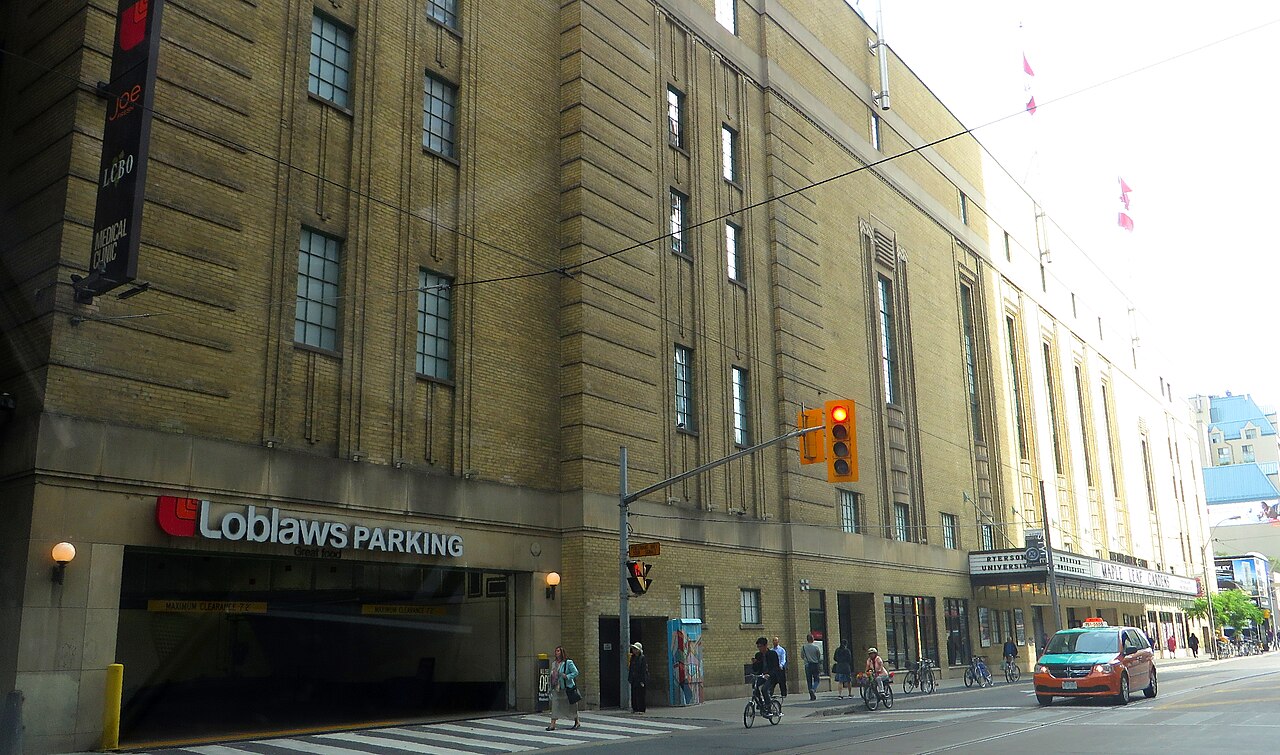
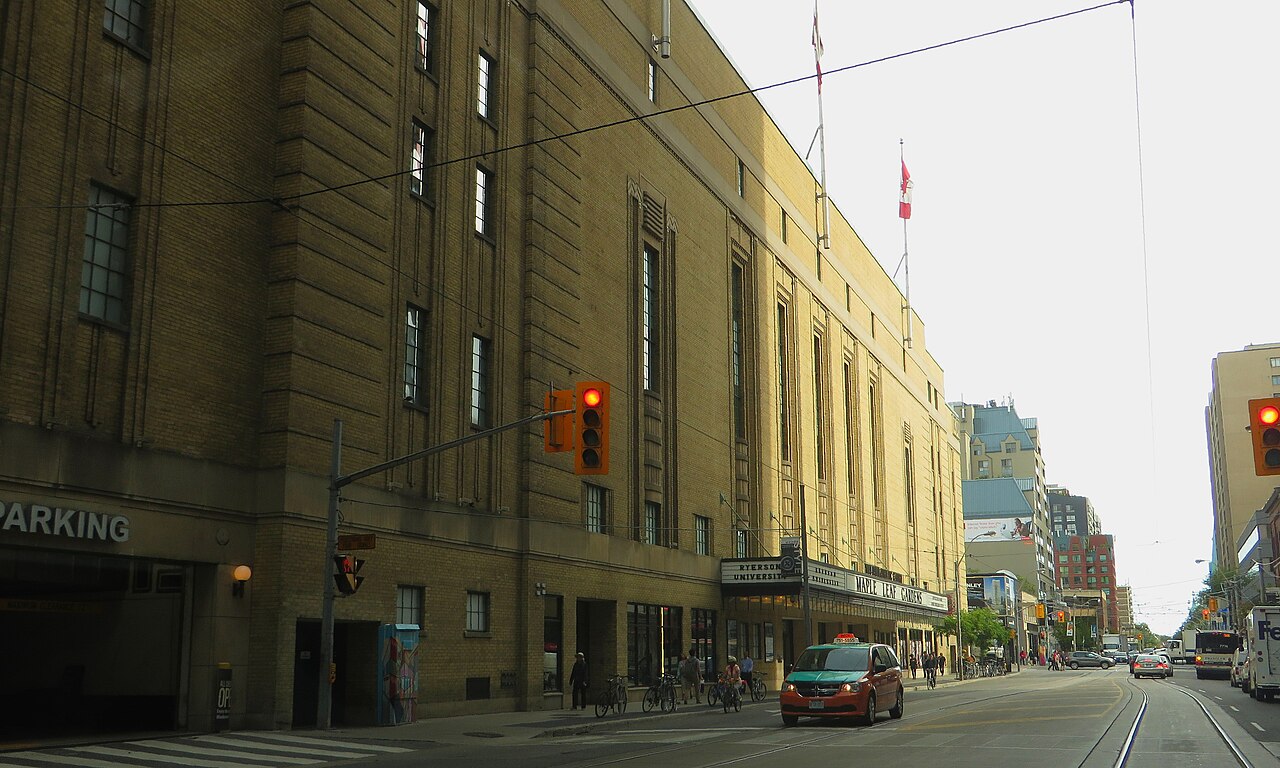
Canadian Film Centre from Toronto, Canada · CC BY 2.0
The Toronto Toros were an ice hockey team based in Toronto that played in the World Hockey Association from 1973 to 1976. The franchise originated as the Ottawa Nationals, which moved to Toronto after the 1972–73 season and was renamed the Toronto Toros in June 1973. The team is notable for its turbulent existence under the hostile lease terms imposed by Maple Leaf Gardens owner Harold Ballard, and for featuring future Hall of Famers Frank Mahovlich and Vaclav Nedomansky.
- Years active
- 1973–1976
- League
- World Hockey Association
- Home arenas
- Varsity Arena (1973–74), Maple Leaf Gardens (1974–76)
- Best finish
- Eastern Conference final (1974)
- Worst finish
- Last in league (1975–76)
- Notable players
- Frank Mahovlich, Vaclav Nedomansky, Paul Henderson, Mark Napier, Tom Simpson
Lore & Background
The Toronto Toros were born from the relocation of the Ottawa Nationals, a franchise that had struggled at the box office averaging about 3,000 fans per game. After the City of Ottawa demanded $100,000 to guarantee arena dates, the team played its home playoff games at Maple Leaf Gardens as the 'Ontario Nationals' before moving permanently to Toronto. Owner John F. Bassett initially wanted to renovate the CNE Coliseum, but the Toros ended up at Varsity Arena for the 1973–74 season, where they posted a 41–33–4 record and reached the Eastern Conference final, losing to the Chicago Cougars.
The team moved to Maple Leaf Gardens for the 1974–75 season, where Harold Ballard imposed onerous lease terms: $15,000 per game rent, a $3,500 charge for lights, denial of the Leafs' locker room (forcing the Toros to build their own at $55,000), and removal of cushions from the home bench. Despite this, the Toros strengthened their roster with ex-Leafs Frank Mahovlich and Paul Henderson, as well as Czech defector Vaclav Nedomansky. Tom Simpson scored 52 goals, and the team finished with the league's fifth-best record (43–33–2) but lost in the first playoff round. The Toros averaged 10,000 fans per game and staged an intermission event where Evel Knievel took four shots against goaltender Les Binkley, going 2-for-4.
The 1975–76 season saw the Toros bottom out with a 24–52–5 record, the worst in the league, despite Nedomansky's 56 goals and Mark Napier's 93-point rookie season. Attendance dropped 20 percent to over 8,000 per game. In the middle of the 1976 WHA playoffs, Bassett announced the team would relocate, citing average losses of nearly $1.5 million per year and only 3,600 season ticket holders. The club moved to Birmingham, Alabama, becoming the Birmingham Bulls for the 1976–77 season.
Reader's Guide
The Toronto Toros represent a brief but colorful chapter in the World Hockey Association's attempt to compete with the established NHL. Their significance lies in the stark illustration of the power struggle between the upstart WHA and the entrenched NHL, personified by Harold Ballard's deliberate obstruction. Ballard, who had never forgiven the WHA for nearly decimating the Maple Leafs' roster, used his control of Maple Leaf Gardens to impose punitive lease terms that directly contributed to the Toros' financial losses. The team's inability to secure a viable long-term home in Toronto—first blocked from the CNE Coliseum, then squeezed at the Gardens—underscored the challenges faced by the WHA in major NHL markets. Despite these difficulties, the Toros showcased notable talent, including future Hall of Famers Frank Mahovlich and Vaclav Nedomansky, and provided a platform for players like Mark Napier, who became the last active Toros player in the NHL, retiring in 1993. The team's relocation to Birmingham after just three seasons in Toronto highlights the economic realities that ultimately led to the WHA's merger with the NHL.
Did You Know?
- The franchise was originally awarded to Doug Michel in 1971 for $25,000 and began as the Ottawa Nationals.
- Harold Ballard removed the cushions from the home bench for Toros games, telling an arena worker, 'Let 'em buy their own cushions!'
- Stunt rider Evel Knievel took four shots against Toros goaltender Les Binkley during an intermission, going 2-for-4.
- The last active Toros player in the NHL was Mark Napier, who last played in the 1988–89 season and retired in 1993 in Italy.
A Franchise in Search of a Home
The Toronto Toros' story began with a $25,000 franchise purchase by Doug Michel in 1971, intended to give the city a WHA team for the league's inaugural 1972-73 campaign. However, the path to Toronto was anything but smooth. Harold Ballard, who controlled Maple Leaf Gardens and the Maple Leafs, offered arena time but at a price Michel deemed prohibitive. A pivot to Hamilton fell through due to the lack of a suitable venue, and the team ultimately landed in Ottawa as the Nationals. Nick Trbovich took majority ownership in May 1972. The Ottawa experiment was a commercial disaster, drawing roughly 3,000 spectators per game. When the city demanded a $100,000 guarantee for Civic Centre dates just before the season's end, the franchise fled. They played their playoff home games at Maple Leaf Gardens, briefly called the 'Ontario Nationals,' before losing to the New England Whalers. By June 1973, the team had settled permanently in Toronto, sold to John F. Bassett, and reborn as the Toros.
Ballard's War on the Toros
When the Toros moved into Maple Leaf Gardens for the 1974-75 season, they walked into a hostile environment orchestrated by Harold Ballard, who had regained control of the venue. Ballard harbored deep resentment toward the WHA, which he blamed for draining the Leafs' roster in the early 1970s, and his personal grudge against the Bassett family only intensified his animus. He structured the Toros' lease to extract $15,000 per game, then dimmed the arena lights for their opening night and charged an additional $3,500 to turn them on. He refused them access to the Leafs' locker room, forcing the club to construct a separate facility at a cost of $55,000. In a particularly pointed act of petty sabotage, he had the cushions stripped from the home bench, telling a worker to let the Toros 'buy their own cushions.' Every financial and logistical hurdle Ballard erected was a deliberate message: the WHA was not welcome in his backyard.
Stars, Scoring, and a Brief Golden Era
Despite the off-ice hostility, the Toros assembled genuinely competitive rosters. In 1973-74, playing out of Varsity Arena, they posted a 41-33-4 record behind goaltending from Gilles Gratton and Les Binkley, a defensive core anchored by ex-Leaf Carl Brewer, and offensive additions Pat Hickey and Wayne Dillon. They reached the Eastern Conference final before falling to the Chicago Cougars. The following year brought a marquee signing class: NHL legend Frank Mahovlich, Summit Series hero Paul Henderson, and Czech defector Vaclav Nedomansky. Tom Simpson became the first professional to record a 50-goal season in Toronto, tallying 52. The team finished fifth in the league at 43-33-2 and drew 10,000 fans per game. Even in their final year, Nedomansky scored 56 goals and 18-year-old Mark Napier erupted for 93 points as a rookie. Both Mahovlich and Nedomansky are Hockey Hall of Famers, cementing the Toros' place in the sport's heritage.
The Long Goodbye
The 1975-76 season marked the Toros' collapse. Buried under the crushing cost of playing at Maple Leaf Gardens, the team finished last in the league with a 24-52-5 record under head coach Bobby Baun, even as Napier and Nedomansky produced individual brilliance. Attendance slipped to roughly 8,000 per game, a 20 percent decline. Midway through the 1976 playoffs, president John F. Bassett announced the franchise was relocating, citing average annual losses of nearly $1.5 million, a meager 3,600 season ticket holders for a 16,000-seat arena, and the $15,000-per-game rent. A ticket drive targeting 7,500 sales fell far short, possibly dented by the city's simultaneous baseball expansion. Bassett identified Ottawa, St. Paul, Birmingham, Miami, and Milwaukee as potential destinations before settling on Birmingham, Alabama, where the club became the Bulls for 1976-77. The Toros' lasting NHL echoes came through Napier, who played until the 1988-89 season, and draft pick Kent Nilsson, whose final NHL game came in 1995.
Gallery

Frequently Asked Questions
What were the Toronto Toros?
The Toronto Toros were a World Hockey Association franchise that competed in Toronto from 1973 to 1976. The club began life as the Ottawa Nationals before relocating and rebranding in the summer of 1973.
Why did the Toronto Toros fold?
The team's existence was crippled by the extremely unfavorable lease agreement it was forced to sign with Maple Leaf Gardens owner Harold Ballard, which drained the franchise's finances. After finishing dead last in the league during the 1975–76 season, the financially struggling club was ultimately shut down.
Who were the most notable players on the Toronto Toros?
The roster included future Hall of Famers Frank Mahovlich and Vaclav Nedomansky, along with other WHA stars like Paul Henderson, Mark Napier, and Tom Simpson. Mahovlich and Nedomansky in particular became the team's most recognizable faces during its short run.
Where did the Toronto Toros play home games?
The franchise split its home schedule between two venues, starting at the smaller Varsity Arena during the 1973–74 season before moving to the much larger Maple Leaf Gardens for its final two years. The switch to Maple Leaf Gardens came with the burdensome lease terms that would ultimately doom the team.
How did the Toronto Toros come to be?
The club originated as the Ottawa Nationals, a founding WHA team that relocated to Toronto after the 1972–73 campaign. In June 1973 the franchise was officially renamed the Toronto Toros and began its new identity in the 1973–74 season.
More in Defunct Ice Hockey Teams, Part 2 1-24
Spotted an error? Know more?
Reader corrections go straight into our review queue. Suggest an edit · How this site is sourced