Merce Cunningham
American dancer and choreographer who transformed modern dance.

Merce Cunningham shaped American modern dance for over five decades as both a dancer and choreographer. He was known for working across artistic boundaries, partnering with musicians like John Cage, David Tudor, and Brian Eno; visual artists such as Robert Rauschenberg, Bruce Nauman, Andy Warhol, Roy Lichtenstein, Frank Stella, and Jasper Johns; and fashion designer Rei Kawakubo. The works that came out of these collaborations left a strong mark on avant-garde art far beyond dance.
As a choreographer, teacher, and head of the Merce Cunningham Dance Company, he deeply influenced modern dance. Many dancers who trained under him later started their own companies, including Paul Taylor, Remy Charlip, Viola Farber, Charles Moulton, Karole Armitage, Deborah Hay, Robert Kovich, Foofwa d'Imobilité, Kimberly Bartosik, Flo Ankah, Jan Van Dyke, Jonah Bokaer, and Alice Reyes.
In 2009, the Cunningham Dance Foundation introduced the Legacy Plan, aimed at continuing his work and preserving his artistic legacy. Cunningham received major honors such as the National Medal of Arts, a MacArthur Fellowship, Japan's Praemium Imperiale, a British Laurence Olivier Award, and was named Officier of the Légion d'honneur in France. His life and vision have been explored in many books, films, and exhibitions, and his works have been performed by groups including the Paris Opéra Ballet, New York City Ballet, American Ballet Theatre, White Oak Dance Project, and London's Rambert Dance Company.
Cunningham was born in Centralia, Washington, in 1919, the second of three sons. His brothers both became lawyers like their father, Clifford D. Cunningham. He first encountered dance in Centralia, taking tap lessons from a local teacher, Mrs. Maude Barrett, whose energy and spirit taught him to love dance. Her focus on precise timing and rhythm gave him a clear sense of musicality that he later used in his own pieces. From 1937 to 1939, he attended Seattle's Cornish College of the Arts to study acting, but found drama's reliance on text and mime too limiting. He preferred dance's ambiguity, which allowed him to explore movement. Martha Graham saw him dance and invited him to join her company. In 1939, he moved to New York City and performed as a soloist with the Martha Graham Dance Company for six years. He presented his first solo concert in New York in April 1944 with composer John Cage, who became his lifelong romantic partner and frequent collaborator until Cage's death in 1992.
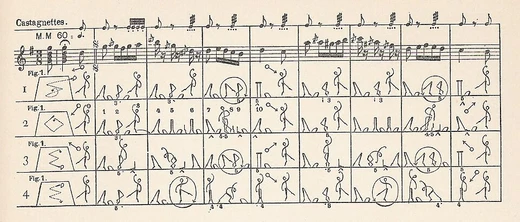
In the summer of 1953, while teaching at Black Mountain College, Cunningham founded the Merce Cunningham Dance Company. Over his career, he choreographed more than 200 dances and over 800 Events—site-specific works. In 1963, he and Cage created the Walker Art Center's first performance, beginning a 25-year collaboration with the Walker. He often used the I Ching to decide the sequence of his dances, and dancers sometimes did not know the order until the night of the show. He performed as a dancer in his company into the early 1990s. In 1968, he published the book *Changes: Notes on Choreography*, edited by Francis Starr, with sketches of his choreography. A mural in his honor was created at Washington Hall on the campus of Centralia College.
Cunningham continued living in New York City and leading his company as Artistic Director until his death. He presented his final work, *Nearly Ninety*, in April 2009 at the Brooklyn Academy of Music for his 90th birthday. He died later that year at home at age 90.
The Merce Cunningham Dance Company (MCDC) was formed at Black Mountain College in 1953. Its style reflected Cunningham's radical approach to space, time, and technology, highlighting the vast possibilities of human movement. Original company members included dancers Carolyn Brown, Viola Farber, Marianne Preger-Simon, Paul Taylor, and Remy Charlip, along with musicians John Cage and David Tudor. The Cunningham Dance Foundation was established in 1964 to support his work. MCDC made its first international tour in 1964, visiting Europe and Asia. From 1971 until its dissolution in 2012, the company was based in the Westbeth Artists Community in the West Village; Cunningham himself lived a block away at 107 Bank Street with John Cage for a time. On July 20, 1999, Cunningham and Mikhail Baryshnikov performed together at the New York State Theater for Cunningham's 80th birthday. In its later years, the company had a two-year residency at Dia Beacon, performing Events in the galleries of Richard Serra, Dan Flavin, and Sol LeWitt. In 2007, MCDC premiered *XOVER*, Cunningham's final collaboration with Rauschenberg, at Dartmouth College. In 2009, MCDC premiered *Nearly Ninety* at the Brooklyn Academy of Music. The company concluded its farewell tour on December 31, 2011, with a performance at the Park Avenue Armory.
- born
- April 16, 1919, Centralia, Washington
- died
- July 26, 2009, New York City
- field
- Dance and choreography
- nationality
- American
- known_for
- Leading American modern dance for over 50 years; founder of the Merce Cunningham
Verified Timeline
Lore & Background
Merce Cunningham was born in Centralia, Washington, in 1919, the second of three sons. He first experienced dance through a tap dance class from a local teacher, Mrs. Maude Barrett, whose energy and spirit taught him to love dance. Her emphasis on precise musical timing and rhythm provided him with a clear understanding of musicality that he implemented in his later dance pieces. He attended the Cornish College of the Arts in Seattle from 1937 to 1939 to study acting, but found drama's reliance on text and miming too limiting and concrete. Cunningham preferred the ambiguous nature of dance, which gave him an outlet for exploration of movement. During this time, Martha Graham saw Cunningham dance and invited him to join her company. In 1939, Cunningham moved to New York City and danced as a soloist in the Martha Graham Dance Company for six years. He presented his first solo concert in New York in April 1944 with composer John Cage, who became his lifelong romantic partner and frequent collaborator until Cage's death in 1992. In the summer of 1953, as a teacher in residence at Black Mountain College, Cunningham formed the Merce Cunningham Dance Company. Throughout his career, Cunningham choreographed more than 200 dances and over 800 Events, or site-specific choreographic works. In 1963 he joined with Cage to create the Walker Art Center's first performance, instigating what would be a 25-year collaborative relationship with the Walker. In his performances, he often used the I Ching to determine the sequence of his dances and, often, dancers were not informed of the order until the night of the performance. In addition to his role as choreographer, Cunningham performed as a dancer in his company into the early 1990s. In 1968 Cunningham published his book Changes: Notes on Choreography, edited by Francis Starr, containing various sketches of his choreography. A mural, located in Washington Hall on the campus of Centralia College, was created in honor of Cunningham. Cunningham continued to live in New York City and lead his dance company as Artistic Director until his death. He presented his last work, a new work, Nearly Ninety, in April 2009, at the Brooklyn Academy of Music, New York, to mark his 90th birthday. Later that year he died in his home at the age of 90.
Reader's Guide
Merce Cunningham's significance lies in his radical approach to space, time and technology, which forged a distinctive style for the Merce Cunningham Dance Company, reflecting Cunningham's technique and illuminating the near limitless possibility for human movement. As a choreographer, teacher, and leader of the Merce Cunningham Dance Company, Cunningham had a profound influence on modern dance. Many dancers who trained with Cunningham formed their own companies. They include Paul Taylor, Remy Charlip, Viola Farber, Charles Moulton, Karole Armitage, Deborah Hay, Robert Kovich, Foofwa d'Imobilité, Kimberly Bartosik, Flo Ankah, Jan Van Dyke, Jonah Bokaer, and Alice Reyes. His collaborations with artists from other disciplines—particularly composer John Cage—produced works that had a profound impact on avant-garde art beyond dance. Cunningham and Cage used chance procedures to generate material, discarding many artistic traditions of narrative and form. Famously, they asserted that dance and its music should not be intentionally coordinated with one another. The Cunningham Dance Foundation announced the Legacy Plan in 2009, a plan for the continuation of Cunningham's work and the celebration and preservation of his artistic legacy. Cunningham earned some of the highest honors bestowed in the arts, including the National Medal of Arts and the MacArthur Fellowship. He also received Japan's Praemium Imperiale and a British Laurence Olivier Award, and was named Officier of the Légion d'honneur in France. Cunningham's life and artistic vision have been the subject of numerous books, films, and exhibitions, and his works have been presented by groups including the Paris Opéra Ballet, New York City Ballet, American Ballet Theatre, White Oak Dance Project, and London's Rambert Dance Company.
Did You Know?
- Cunningham first experienced dance through a tap dance class from a local teacher, Mrs. Maude Barrett, whose emphasis on precise musical timing and rhythm provided him with a clear understanding of musicality.
- He presented his first solo concert in New York in April 1944 with composer John Cage, who became his lifelong romantic partner and frequent collaborator until Cage's death in 1992.
- In 1963 Cunningham joined with Cage to create the Walker Art Center's first performance, instigating a 25-year collaborative relationship with the Walker.
- Cunningham choreographed more than 200 dances and over 800 Events, or site-specific choreographic works.
- He presented his last work, Nearly Ninety, in April 2009 at the Brooklyn Academy of Music to mark his 90th birthday, and died later that year at his home at age 90.
Frequently Asked Questions
Who is Merce Cunningham?
Merce Cunningham was an American dancer and choreographer who guided the evolution of modern dance for more than fifty years. He founded the Merce Cunningham Dance Company and is widely regarded as one of the most transformative figures in twentieth-century movement art.
What is Merce Cunningham most known for?
He is best recognized for pioneering the use of chance operations in choreography, letting random processes dictate elements like sequence and timing of movement. This method fundamentally reshaped how dancers and choreographers approached composition.
Who did Merce Cunningham collaborate with?
Over his career he worked closely with composers such as John Cage, David Tudor, and Brian Eno, as well as visual artists including Robert Rauschenberg, Andy Warhol, Jasper Johns, and Roy Lichtenstein. He also partnered with fashion designer Rei Kawakubo, and these cross-disciplinary projects left a lasting mark on the broader avant-garde art scene.
How did Merce Cunningham's work influence art beyond dance?
His collaborations with musicians, painters, and designers pushed creative boundaries well outside the dance world, inspiring new approaches to performance, visual art, and interdisciplinary creation. The impact of these projects is still felt across avant-garde art forms today.
When was Merce Cunningham born and when did he pass away?
He was born on April 16, 1919, in Centralia, Washington, and died on July 26, 2009, in New York City. His career spanned more than fifty years of continuous innovation in movement and choreography.
More in Dancers And Choreographers 1-24
Spotted an error? Know more?
This is a living reference — every entry is fact-audited, and reader corrections feed straight into our audit queue. Suggest an edit · See this site's audit record