Eilat's Coral Beach
Last updated
Where it is
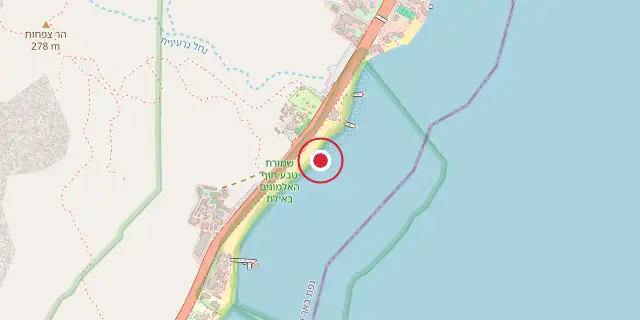
Coordinates: 29°30′29″N 34°55′19″E (29.5080, 34.9220) · Open in OpenStreetMap
Coordinates and connected clubs: the infobox of Wikipedia: Eilat's Coral Beach (CC BY-SA 4.0). Map: drawn by Codexery from OpenStreetMap tiles.
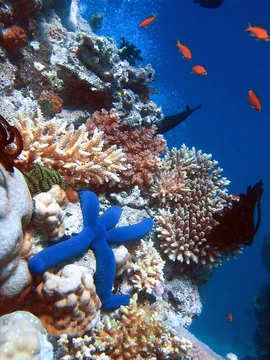
Eilat's Coral Beach Nature Reserve and Conservation area, a national park in Israel's Red Sea near Eilat, spans 1.2 kilometers of shoreline. It holds the distinction of being the world's northernmost shallow-water coral reef and is considered unusually resilient to climate change. Established by the Israel Nature and Parks Authority, it draws divers and researchers.
At its southern tip stands the Coral World Underwater Observatory, the first facility of its kind globally and the largest public aquarium in the Middle East. The New York Times listed it among its Places to Go in 2019. As of 2018, the reef is actively growing.
The Eilat reef is unique as the northernmost coral reef on Earth, located in the isolated Gulf of Aqaba, where higher salinity and limited water movement have fostered many endemic species. Historically, the reef stretched over 12 kilometers along the Gulf's western shore and parts of the northern coast, but human activity shrank it to a small area.
By 1962, it was among Israel's three best-known nature reserves. The main Coral Beach Reserve was established in 1964, followed by the Eilat South Sea Nature Reserve in 2002, and the Coral Sea Nature Reserve in 2009. This is Israel's only coral reef.
Preservation
Preservation and rehabilitation of the severely damaged reef are the reserve's core goals. Most of the lagoon is fenced off from the beach and marked with buoys from the sea, leaving only three shallow wading pools open to visitors, to prevent harm to corals and marine life. Feeding fish and animals is prohibited to avoid injuries from human food or plastic wrappers.
The Society for the Protection of Nature in Israel organizes divers and volunteers to clean the beach and reef, removing debris and plastic that can smother corals, and leads guided tours. The reserve monitors coral and fish health and growth. To encourage reef expansion, iron and stone structures have been placed on the sandy seabed opposite the reef wall, mimicking natural coral formation sites and creating more habitat for reef dwellers.
More in Coral Reefs
Sources
Compiled from Wikipedia and the sources listed below. Text from Wikipedia is available under CC BY-SA 4.0; this entry is adapted from it.
- Wikipedia: Eilat's Coral Beach (CC BY-SA 4.0).
- Word definitions: the Codexery glossary, each quoted from its Wikipedia article.
Spotted an error? Know more?
Reader corrections go straight into our review queue. Suggest an edit · How this site is sourced