
Microsoft Mouse
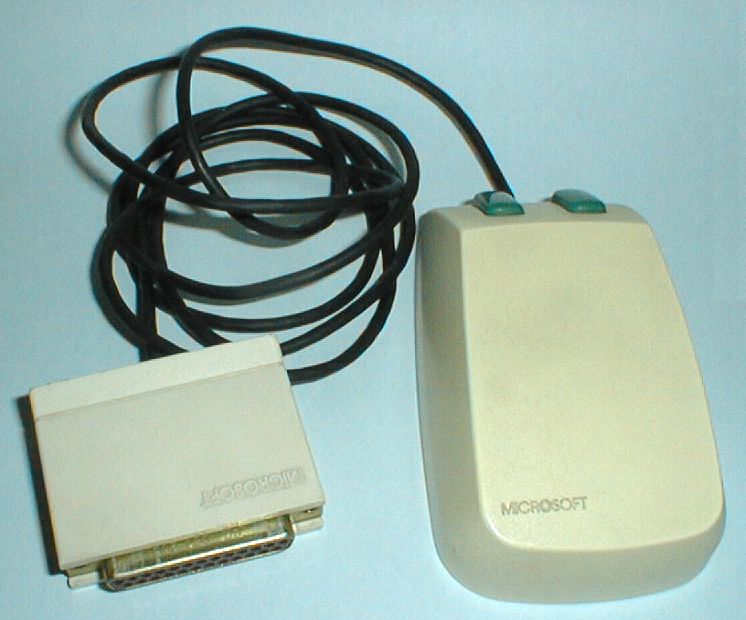
Microsoft's first mouse, released in 1983 with bundled software.
Last updated

Mayuki Sawatari · CC BY 2.0
In 1983, Microsoft released its first computer mouse, simply called the Microsoft Mouse. It came bundled with early versions of Microsoft Word and Notepad—though which of these two programs were included varied in the initial release—along with an on-screen tutorial, a piano program, a game, and Doodle, one of the first color bitmap creation programs for home computers.
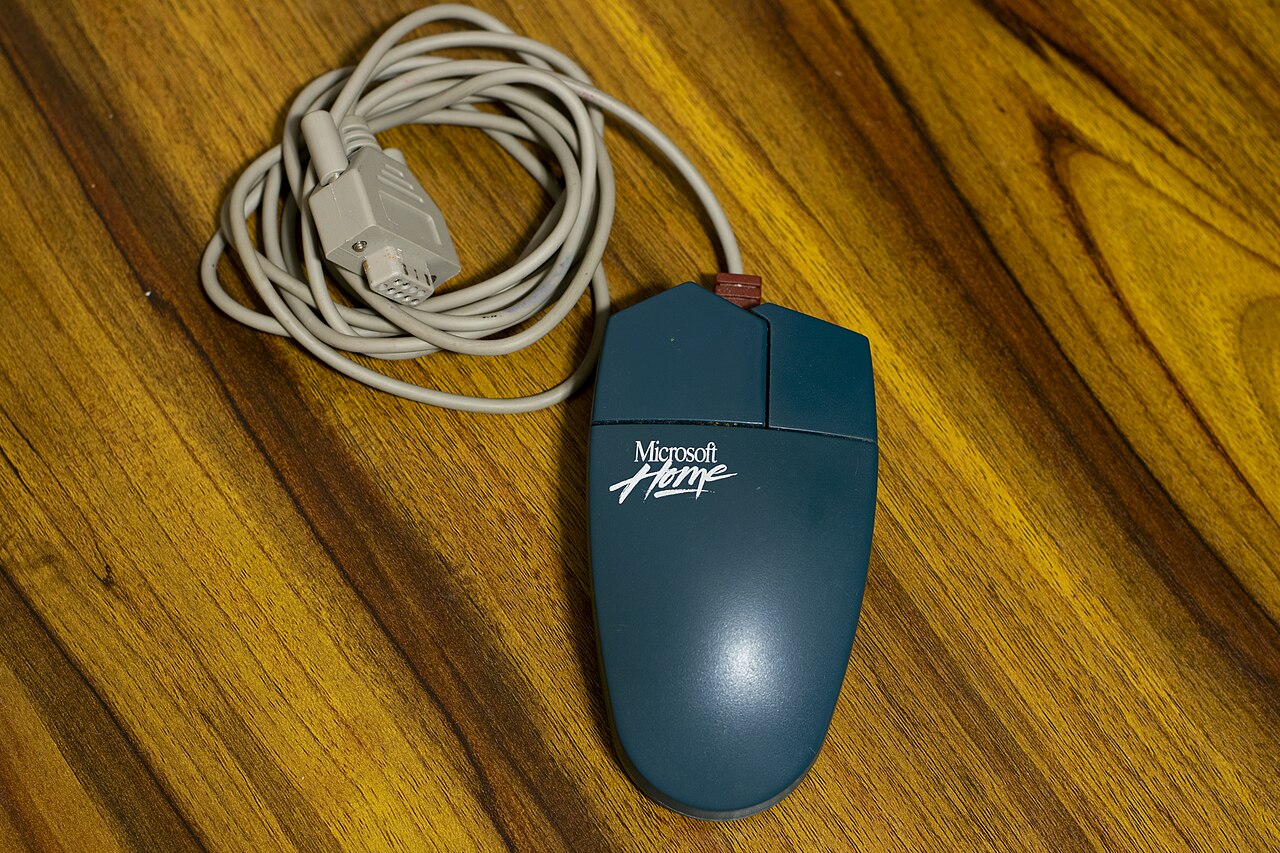
The whole package cost $195. The mouse featured two green buttons and, like most mice of the era, used a steel ball for tracking. It was manufactured by the Japanese company Alps Electric, and arrived on the market a year after a competing mouse from Mouse Systems.
The original model connected via a DB-25 serial port. Later versions offered an InPort ISA interface, which required installing a Microsoft bus card inside the computer, or a DE-9 serial connector. All versions worked with MS-DOS systems.
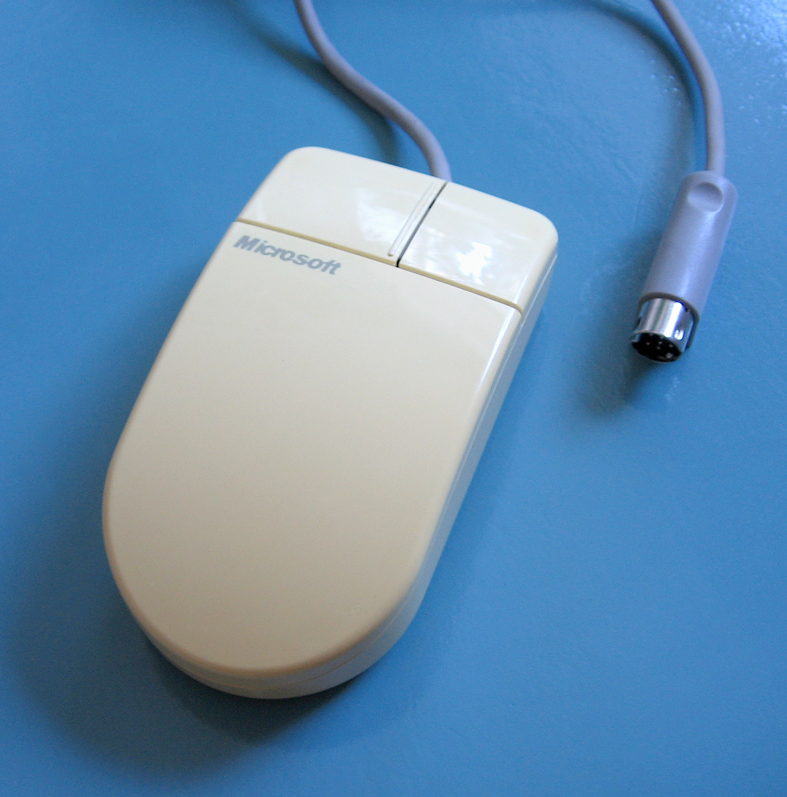
In 1985, Microsoft released the "gray-eyed" Microsoft Mouse, which offered higher resolution than its competitors and replaced Doodle with a rebadged copy of ZSoft PC Paintbrush, called “PC Paintbrush,” starting with driver version 4. That software was later adapted for Windows 1 and became the foundation for Microsoft Paint. In 1987, the "dove bar" Microsoft Mouse appeared, named for its curved palm rest that resembled a bar of Dove soap.
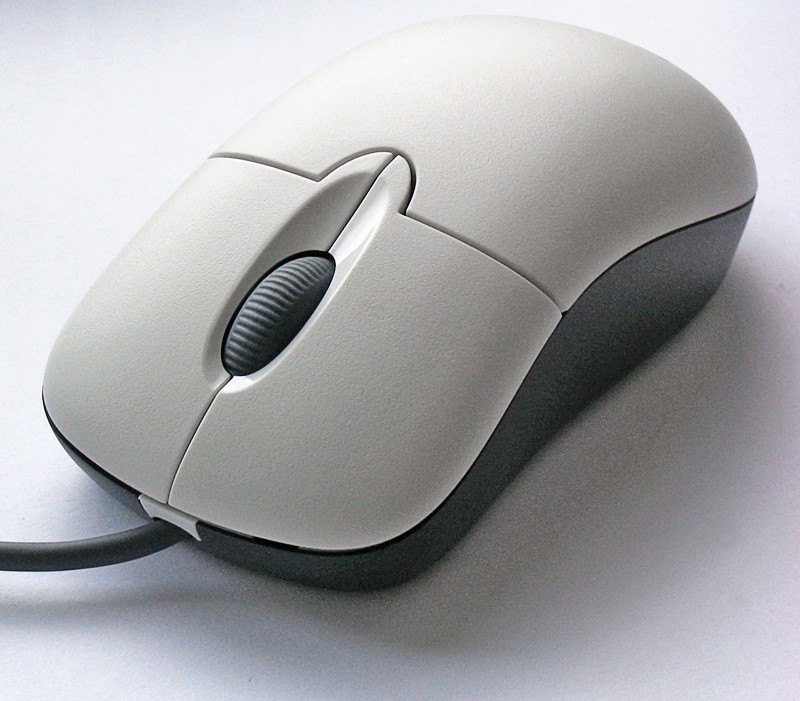
It came in versions for InPort, serial, and PS/2 ports. A trackball variant, the Microsoft BallPoint Mouse, arrived in 1991. The "kidney" Microsoft Mouse 2.0 followed in 1993, and its design directly inspired the IntelliMouse, which launched in 1996.
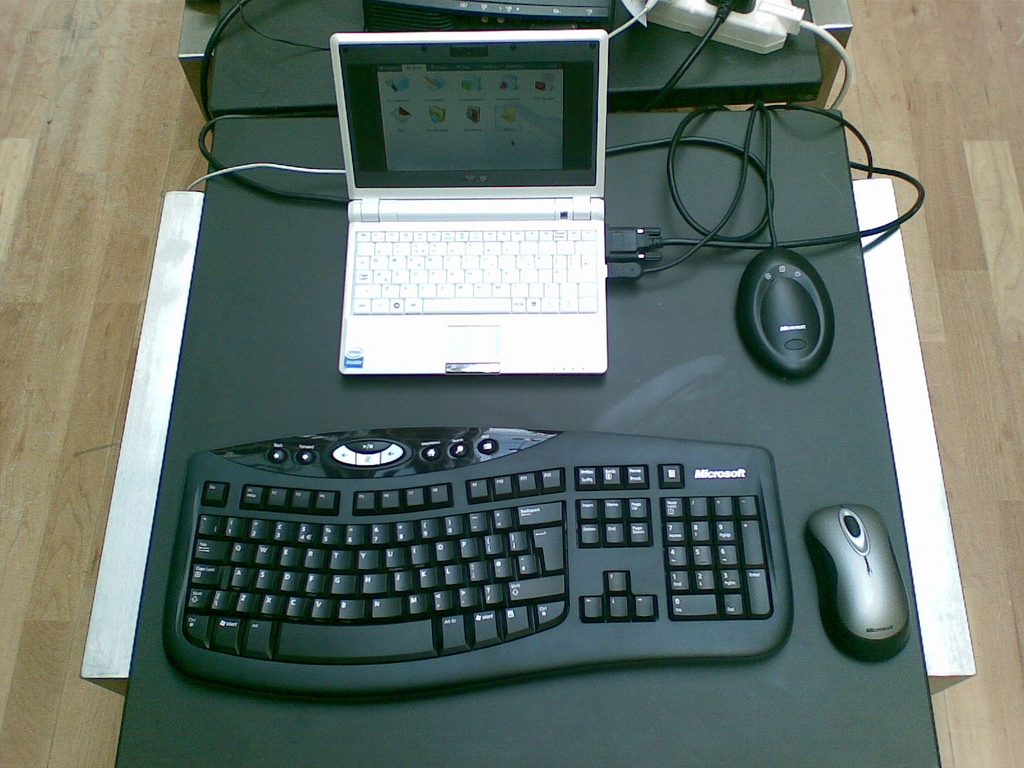
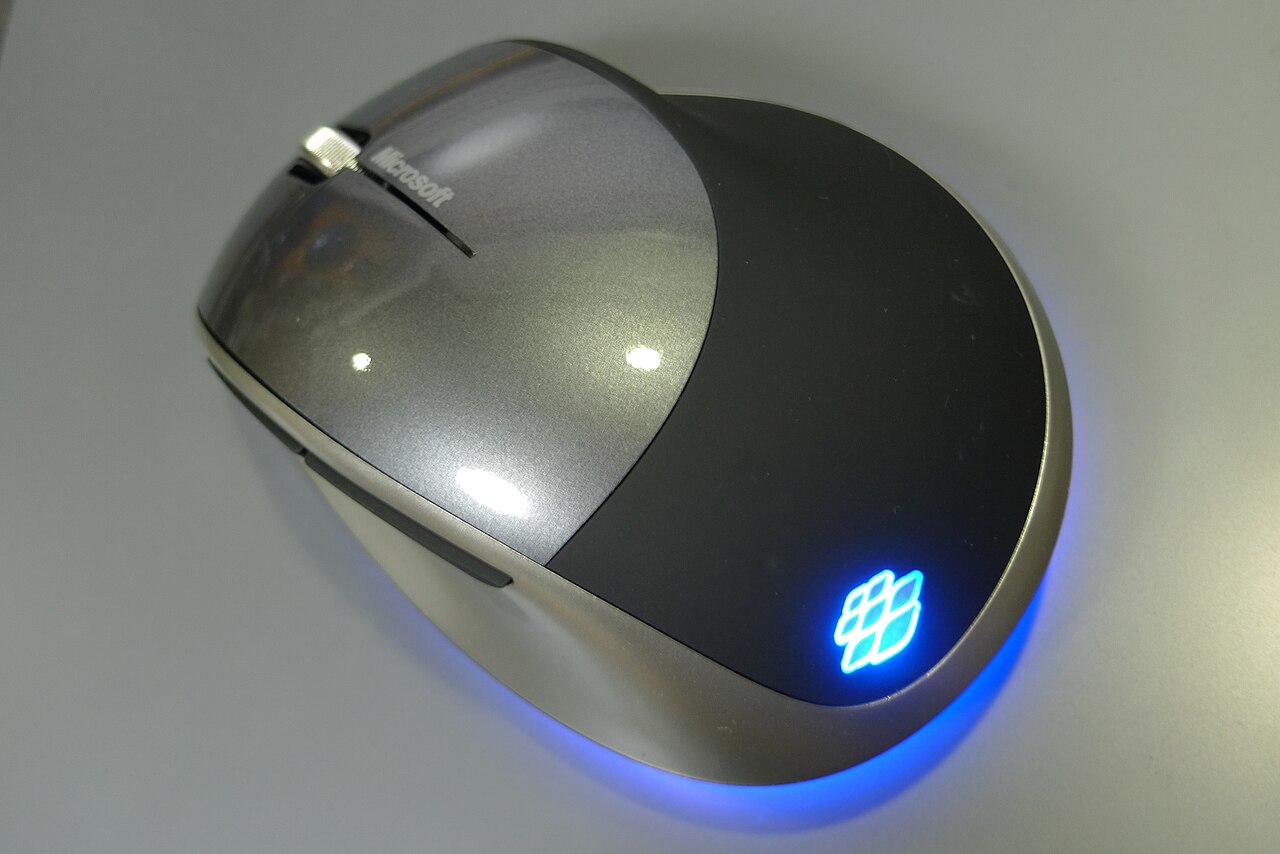
Later models include the Microsoft Natural Wireless Laser Mouse, SideWinder, Arc Mouse, and Sculpt Ergonomic Mouse, among others. In January 2024, Microsoft announced it would license the design and manufacturing of its current mice to Incase, as part of a shift to focus on Surface-branded accessories. These products will carry the Incase name but be labeled as designed by Microsoft.
Lore & Background
The Microsoft Mouse followed the release onto market of another mouse by Mouse Systems in 1982. The initial version uses a DB-25 serial port. Later versions were available with an InPort ISA interface, requiring a Microsoft bus card to be installed in the computer or a DE-9 serial connector. All versions of the Microsoft Mouse could be used with MS-DOS compatible systems.
In 1985, Microsoft introduced the "gray-eyed" Microsoft Mouse, featuring a higher resolution than competing mice, and a rebadged copy of ZSoft PC Paintbrush called “PC Paintbrush,” which replaced Doodle in version 4 of the drivers. This would later be re-tooled and included with Windows 1, and formed the basis for Microsoft Paint.
In 1987 the "dove bar" Microsoft Mouse (so called for the curved palm rest's resemblance to a Dove soap bar) was introduced, in variants for both Microsoft's InPort, serial port and PS/2 port. In 1991, the trackball "Microsoft BallPoint Mouse" was made. The "kidney" Microsoft Mouse 2.0 was introduced in 1993, and its design served as the basis for the IntelliMouse, which debuted in 1996.
More Microsoft mice have been released in later years, including Microsoft Natural Wireless Laser Mouse, Microsoft SideWinder, Arc Mouse, Microsoft Sculpt Ergonomic Mouse and others. In January 2024, Microsoft announced that it would license the design and manufacturing of its current mice products to Incase, as part of an effort to focus more on its Surface-branded accessories. These products will be branded under the Incase name, but as being designed by Microsoft.
Reader's Guide
The Microsoft Mouse is significant as the company's first foray into computer pointing devices, establishing a product line that would span decades. Its initial release bundled a suite of software including early versions of Microsoft Word and Notepad, along with creative and educational programs, positioning the mouse as a tool for productivity and creativity. The mouse's design and interface evolved over time, from the DB-25 serial port to InPort and DE-9 connectors, and it remained compatible with MS-DOS systems. Later iterations, such as the gray-eyed model with higher resolution and the dove bar design, refined ergonomics and performance.
The Microsoft Mouse 2.0's kidney shape directly influenced the IntelliMouse, a widely recognized design. The product line expanded to include trackballs, ergonomic models, and gaming mice like the SideWinder. In 2024, Microsoft licensed current mouse designs to Incase, marking a shift in its hardware strategy while continuing the legacy of the original 1983 release.
Frequently Asked Questions
What is the Microsoft Mouse?
It was Microsoft's first computer mouse, released in 1983 and built by the Japanese firm Alps Electric. The device tracked movement with a steel ball and featured two green buttons.
Who manufactured the Microsoft Mouse?
The Japanese electronics company Alps Electric produced the device under Microsoft's brand name for its 1983 release.
More in Computer Mice and Monitors
Sources
Compiled from Wikipedia and the sources listed below. Text from Wikipedia is available under CC BY-SA 4.0; this entry is adapted from it.
- Wikipedia: Microsoft Mouse (CC BY-SA 4.0).
Spotted an error? Know more?
Reader corrections go straight into our review queue. Suggest an edit · How this site is sourced