
Michelin
French tyre giant known for innovation and travel guides.

Renhour48 · CC0
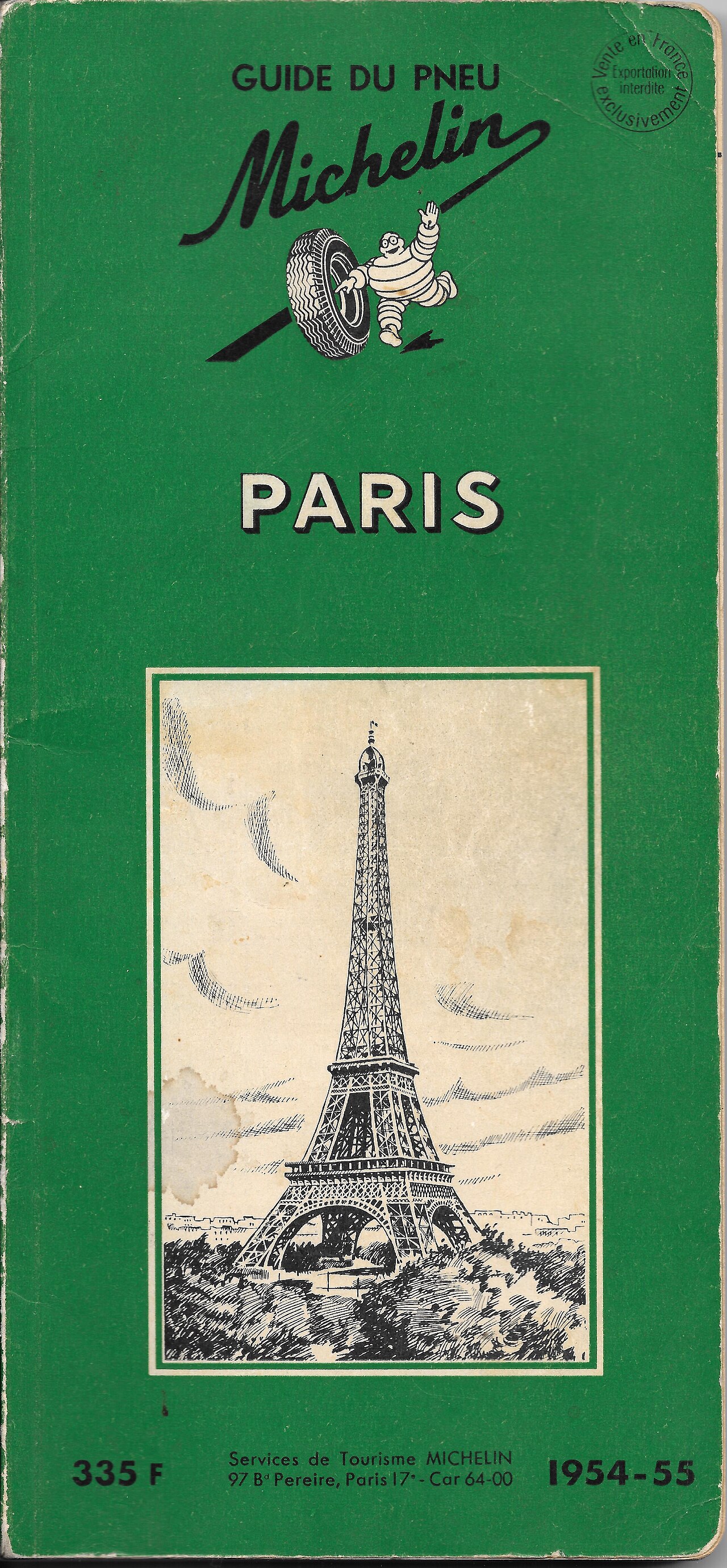
Michelin, officially the "General Company of the Michelin Enterprises P.L.S.," is a French multinational tyre manufacturer headquartered in Clermont-Ferrand in the Auvergne-Rhône-Alpes region. Beyond its own brand, the company owns several other tyre marques, including Kleber, Uniroyal (in North America, Colombia, and Peru), BFGoodrich, Riken, and SASCAR. Michelin is also widely known for its Red and Green travel guides, its roadmaps, the Michelin stars awarded to restaurants, and its mascot Bibendum, a humanoid figure made of tyres.
The company was founded in 1889 when brothers Édouard and André Michelin took over a struggling farm implement business in Clermont-Ferrand that manufactured rubber parts. Their breakthrough came after repairing a cyclist’s pneumatic tyre, which was glued to the rim and took hours to fix. This inspired them to create a removable pneumatic tyre, patented in 1891, which was used to win the first Paris–Brest–Paris cycle race. Four years later, they produced the first pneumatic tyres for automobiles. Michelin’s many innovations include the removable tyre, pneumatic tyres for cars and trucks, twin truck tyres, the asymmetric tyre, the run-flat tyre, the green tyre, the pneurail for rubber-tyred metros, and the radial tyre for automobiles, trucks, earthmovers, aircraft, and motorcycles. The radial tyre, introduced in 1946, was a key innovation that helped Michelin become a leading global manufacturer. The company also manufactures tyres for Space Shuttles, aircraft, heavy equipment, and bicycles.
In the 1920s and 1930s, Michelin operated large rubber plantations in Vietnam, where conditions led to the famous Phú Riềng Đỏ labour movement. By 2012, Michelin produced 166 million tyres at sixty-nine facilities across eighteen countries, and since 2021 it has been the world’s largest tyre manufacturer by annual revenue.
Lore & Background
Michelin is a French multinational tyre manufacturer headquartered in Clermont-Ferrand, in the Auvergne-Rhône-Alpes region. The company is instantly recognizable by its mascot, Bibendum—often called the Michelin Man—a humanoid figure composed of tyres. Michelin’s defining characteristics include its pioneering inventions: the removable pneumatic tyre for bicycles and automobiles, the first pneumatic truck tyre, twin truck tyres, the asymmetric tyre, the run-flat tyre (which can continue operating after a puncture using a foam lining), the “green tyre,” and the radial tyre for cars, trucks, earthmovers, aircraft, and motorcycles. The radial tyre, patented in 1946 and initially marketed as the “X” tyre, revolutionized the industry with superior handling and fuel economy. Michelin also manufactures tyres for Space Shuttles, bicycles, and heavy equipment. Beyond tyres, the company is famous for its Red and Green travel guides, roadmaps, and the Michelin star system for restaurant ratings. Its brand portfolio includes Kleber, Uniroyal (in North America, Colombia, and Peru), BFGoodrich, Riken, and SASCAR. The company’s history began in 1889 when brothers Édouard and André Michelin took over a struggling rubber-parts factory in Clermont-Ferrand. After repairing a cyclist’s glued-on pneumatic tyre—a laborious process—they developed their own removable version, patenting it in 1891. That tyre was used to win the Paris–Brest–Paris race. In the 1920s and 1930s, Michelin operated large rubber plantations in Vietnam, where conditions led to the famous Phú Riềng Đỏ labour movement. Michelin later bought the bankrupt Citroën car company in the 1930s. In 1989, it acquired the tyre divisions of B.F. Goodrich and Uniroyal. As of 2021, Michelin has been the world’s largest tyre manufacturer by annual revenue.
Reader's Guide
Michelin's significance lies in its transformative impact on transportation and consumer culture. Its invention of the removable pneumatic tyre made cycling and motoring more practical, while the radial tyre—developed with Citroën—set new standards for safety and fuel efficiency, eventually dominating global markets. The company's diversification into travel guides created the Michelin star system, which remains a benchmark for culinary excellence. Its acquisitions of brands like BFGoodrich and Uniroyal expanded its reach, and its Green X technology pioneered fuel-saving tyres. By 2021, Michelin became the world's largest tyre manufacturer by revenue, with production facilities in eighteen countries.
Did You Know?
- The Michelin Man mascot, Bibendum, is a humanoid made of tyres.
From a Broken Bicycle Tyre to a Global Patent
The pivotal moment arrived when a cyclist brought in a punctured pneumatic tyre that was glued to its rim. The repair consumed over three hours, followed by an overnight drying period. The next day, Édouard test-rode the bicycle in the factory yard, and the tyre failed after only a few hundred metres. Rather than being discouraged, he was inspired. He and André set out to build a tyre that could be removed and replaced without any adhesive.
The Radial Tyre and the Slow American Conquest
The United States, however, resisted. market.
A Catalogue of Engineering Firsts
Michelin's innovation record reads like a timeline of the tyre industry's major leaps. Beyond the road, Michelin has produced tyres for Space Shuttles, aircraft, earthmovers, motorcycles, and even a pneurail for rubber-tyred metro systems. The company's brand portfolio stretches far beyond its eponymous label, encompassing Kleber, Uniroyal, BFGoodrich, Riken, and SASCAR.
The Guide, the Star, and the Man Made of Tyres
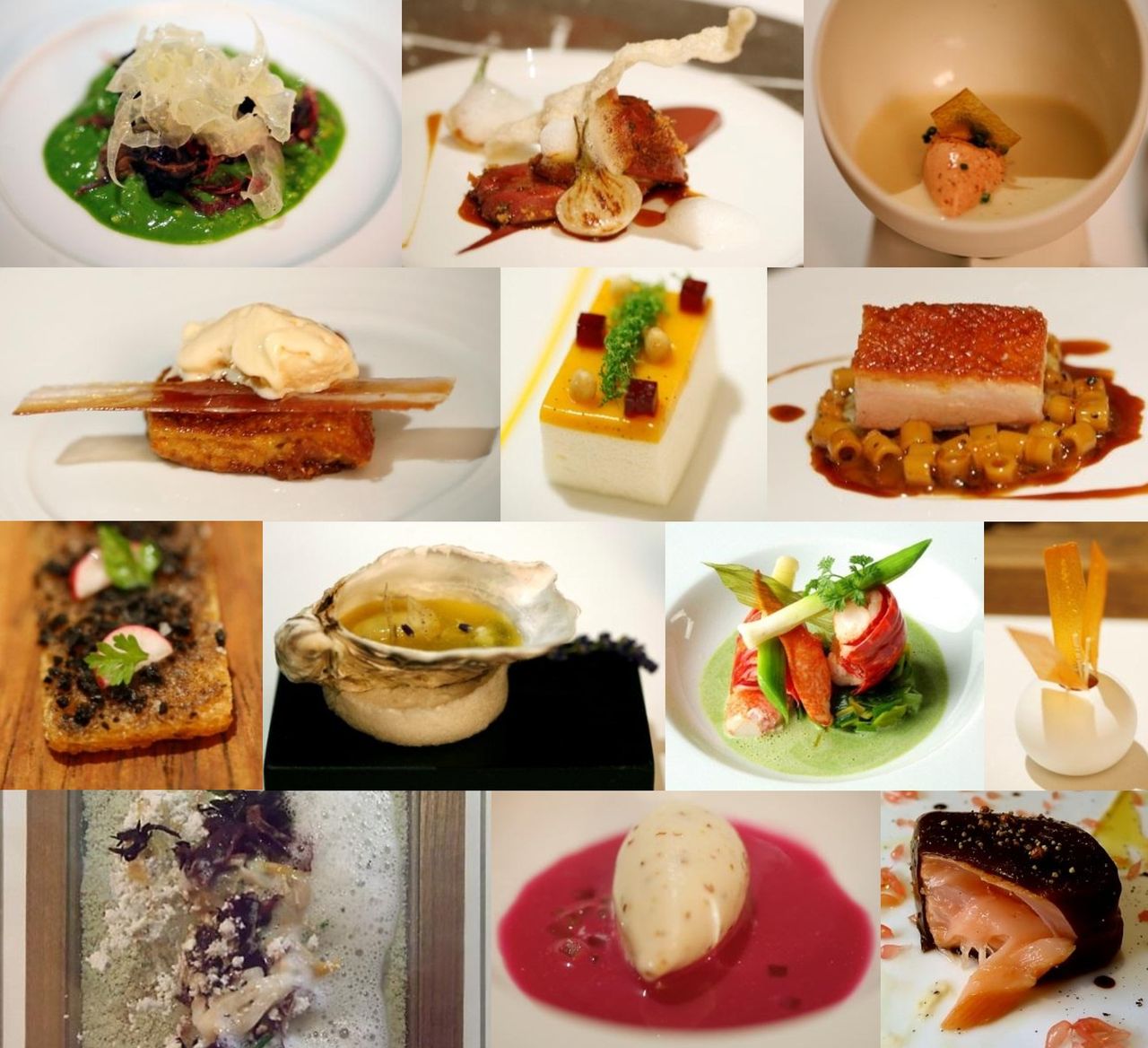
Few industrial companies have woven themselves into popular culture as thoroughly as Michelin. The firm is equally renowned for its Red and Green travel guides, its roadmaps, and the Michelin stars that the Red Guide bestows on restaurants for the quality of their cooking—a distinction that has reshaped the global dining landscape. The company's mascot, Bibendum, is a humanoid figure constructed entirely from stacked tyres, and he has become colloquially known around the world as the Michelin Man. Goodrich and Uniroyal from Clayton, Dubilier & Rice brought the Norwood, North Carolina plant that supplied tyres to the U.S. Space Shuttle Program into the Michelin family.
Gallery

Frequently Asked Questions
What innovations is Michelin known for?
The company is credited with developing the removable pneumatic tyre, the radial tyre, and the modern run-flat tyre, each of which reshaped how vehicles are built and driven. These breakthroughs helped cement Michelin's reputation as a tireless innovator in automotive engineering.
What are Michelin stars and why do they matter?
Michelin stars are a rating system awarded to restaurants in the company's famous travel guides, ranging from one to three stars based on food quality. The guide has become the gold standard for dining recognition worldwide, making the little red book a cultural phenomenon far beyond the tyre business.
Who is Bibendum and why is he associated with Michelin?
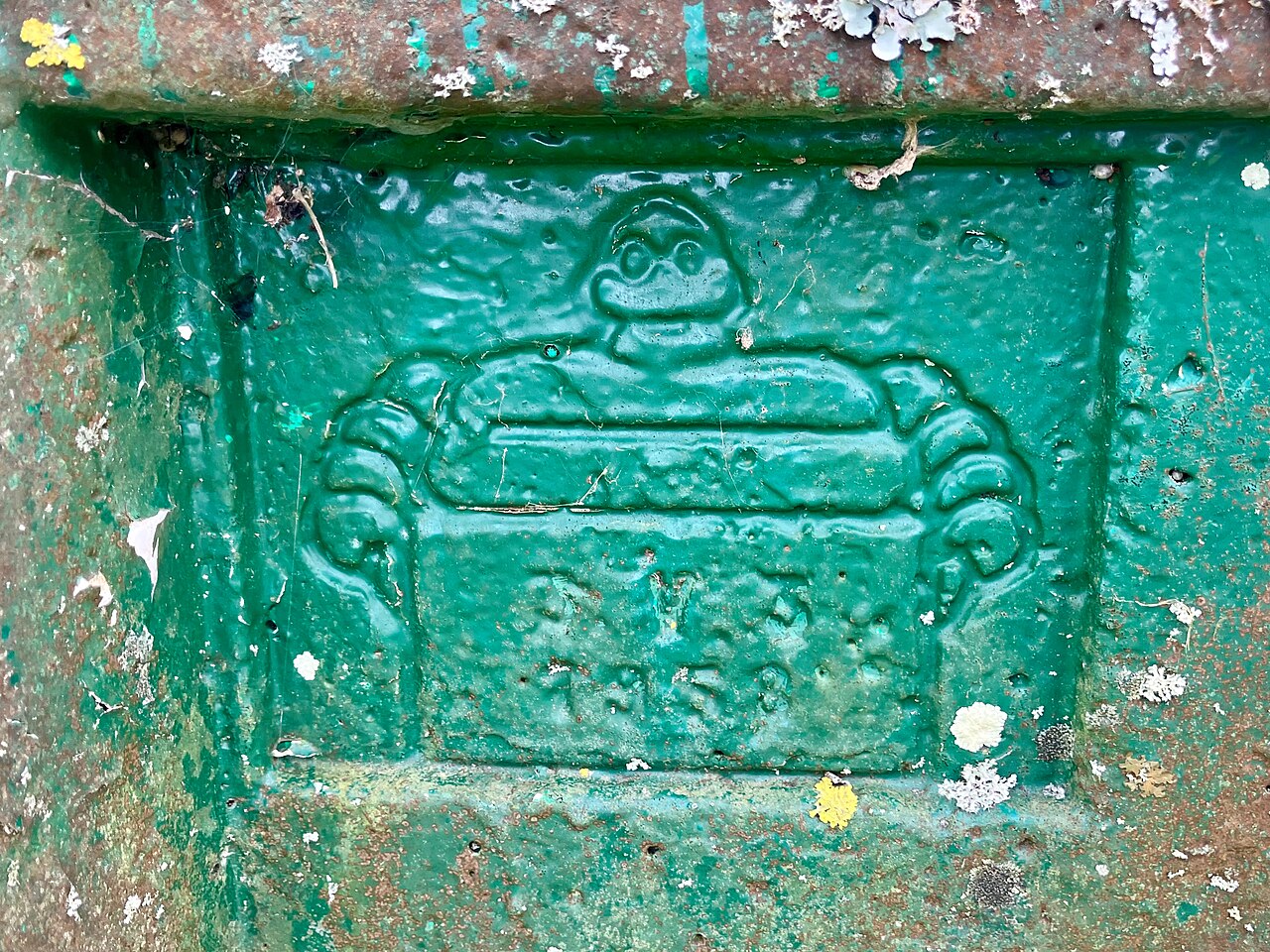
Bibendum, also called the Michelin Man, is a cheerful figure made of stacked white tyres that serves as the brand's mascot. He was created in the early 1900s to personify the idea that more tyres on the road meant more business for the company.
More in Companies And Brands 1-23
Spotted an error? Know more?
This is a living reference — every entry is fact-audited, and reader corrections feed straight into our audit queue. Suggest an edit · See this site's audit record