
McDonald's
American fast food chain with global franchised operations.

Dinkun Chen · CC BY-SA 4.0
McDonald’s is an American multinational fast-food restaurant chain that traces its origins to 1940, when brothers Richard and Maurice McDonald opened a single restaurant in San Bernardino, California. During the 1940s, the brothers introduced a streamlined food-production system later called the Speedee Service System, which eliminated carhops, replaced plates and silverware with disposable paper wrappings and cups, and reduced the menu to just nine items—hamburgers, cheeseburgers, three soft drink flavors in a single 12-ounce size, milk, coffee, potato chips, and pie. This system emphasized speed, lower prices, and high volume. The chain’s iconic Golden Arches design debuted in 1953. In 1955, businessman Ray Kroc became a franchise agent and opened a McDonald’s in Des Plaines, Illinois; he purchased the McDonald brothers’ ownership stake in 1961 for $2.7 million and drove the company’s domestic and international expansion. The original San Bernardino restaurant was demolished in 1971, and the site now houses a Juan Pollo chain headquarters and a McDonald’s and Route 66 museum. By the end of 2025, the McDonald’s system comprised 45,356 restaurants in more than 100 countries, with approximately 95 percent operated by franchisees. The company generates revenue from company-operated restaurant sales and from rent, royalties, and fees paid by franchisees; it owned about 56 percent of the land and 80 percent of the restaurant buildings within its consolidated markets. McDonald’s directly employed over 150,000 people, while more than two million additional workers were employed at franchised locations. The menu centers on hamburgers and French fries, also offering chicken, breakfast items, soft drinks, coffee, desserts, and products adapted to local markets. Its best-known items include the Big Mac and its French fries. The chain has faced criticism regarding the nutritional content of its food, animal treatment, environmental impact, and employee wages and working conditions.
- Founders
- Richard and Maurice McDonald
- Field
- Fast food restaurant chain
- Nationality
- American
- Known for
- Speedee Service System, Golden Arches, Big Mac, global franchising
Lore & Background
McDonald’s restaurants are instantly recognizable by the Golden Arches design, first introduced in 1953. The chain’s appearance has evolved over time; a major redesign in 2006, called the “Forever Young” brand, shifted interiors toward a café-like atmosphere with terracotta, grey, and olive tones, and wood furnishings. The company’s range is vast: at the end of 2025, it operated 45,356 restaurants across more than 100 countries, with roughly 95% of these run by franchisees. Its habitat is primarily urban and suburban areas, with a strong emphasis on drive-through and curbside service, especially after the COVID-19 pandemic prompted the closure of most seating and all play areas in U.S. locations. Defining characteristics include the streamlined Speedee Service System, introduced by founders Richard and Maurice McDonald in the 1940s, which emphasized speed, lower prices, and volume by simplifying the menu to nine items and eliminating silverware and plates. The menu centers on hamburgers and French fries, with iconic items like the Big Mac, and adapts to local markets—for instance, the Hatch Green Chile Double Cheeseburger is only available in New Mexico. The company also owns roughly 56% of the land and 80% of the buildings in its consolidated markets, generating revenue from company-operated sales and franchise fees.
Reader's Guide
McDonald's significance lies in its pioneering of the fast-food business model through the Speedee Service System, which emphasized efficiency and standardization. Its franchising strategy, driven by Ray Kroc, enabled rapid global expansion, making the chain a symbol of globalization and the spread of the American way of life. The company generates revenue from company-operated restaurants and from rent, royalties, and fees paid by franchisees, owning about 56% of the land and 80% of the restaurant buildings in its consolidated markets. The company has faced criticism concerning nutritional content, animal treatment, environmental impact, and employee wages and working conditions. Its menu adaptations to local markets, such as millet-based buns in India and beer in Germany, illustrate its global flexibility.
Did You Know?
- The original mascot of McDonald's was a hamburger-headed chef named Speedee, who was gradually phased out starting in the mid-1960s and replaced by Ronald McDonald, not directly by the Golden Arches.
- In 2021, the company cut value meals and cheaper items from its menu as part of a focus on higher-priced items.
From a San Bernardino Diner to a Global Icon
Richard and Maurice McDonald set out with a simple ambition: to earn one million dollars before they each turned fifty. They dismissed their twenty carhops, swapped silverware and plates for paper wrappings and cups, and pared the menu down to just nine items—hamburgers, cheeseburgers, three soft drink flavors in a single twelve-ounce size, milk, coffee, potato chips, and pie. Richard McDonald later summarized the philosophy as speed, lower prices, and volume. The system drew on principles that White Castle had been practicing for over two decades.
Ray Kroc and the Road to 45,000 Restaurants
Kroc proved to be a relentless commercial force. With that purchase, Kroc launched the chain's domestic and international expansion. McDonald's has since become a widely recognized symbol of globalization and the export of American consumer culture.
The Menu: From Big Macs to McPlant
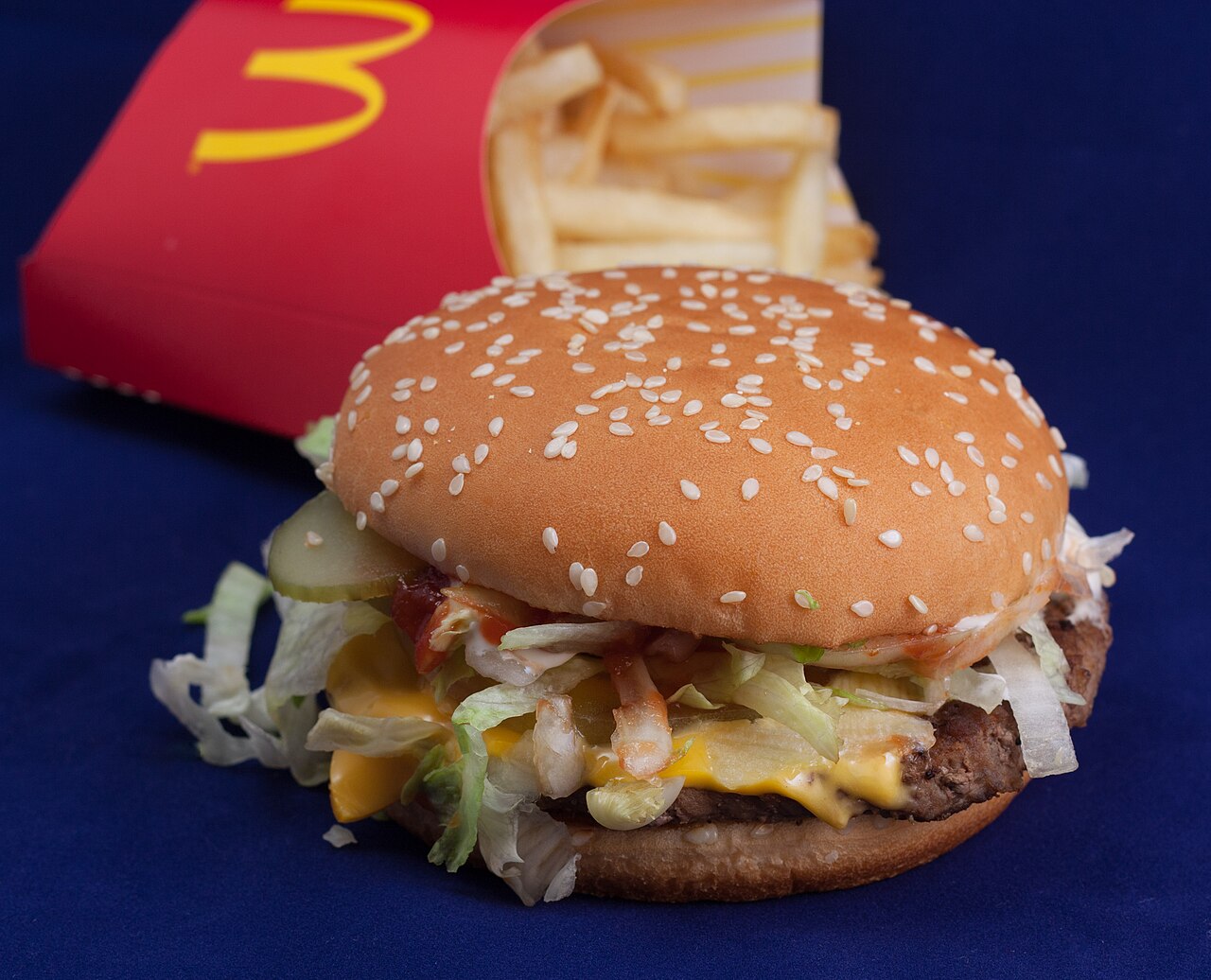
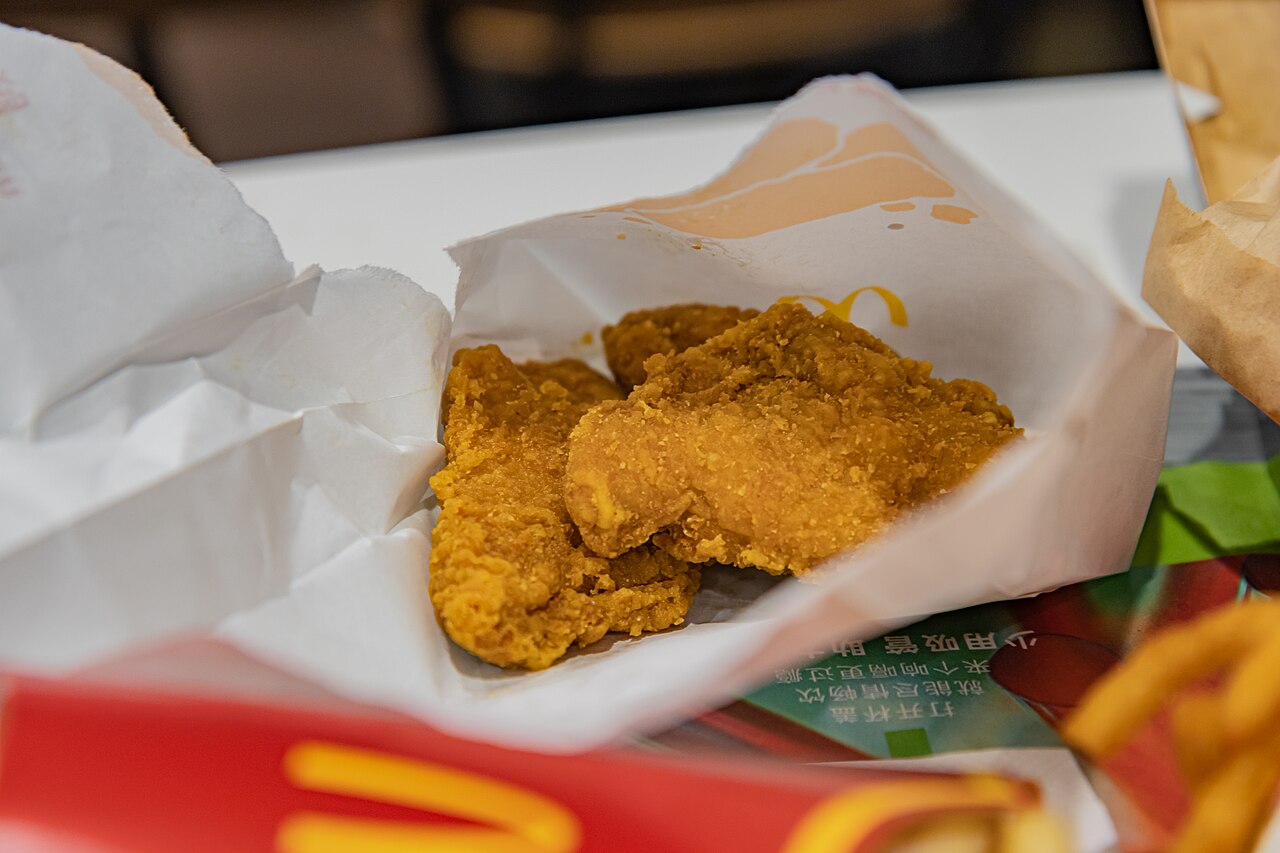
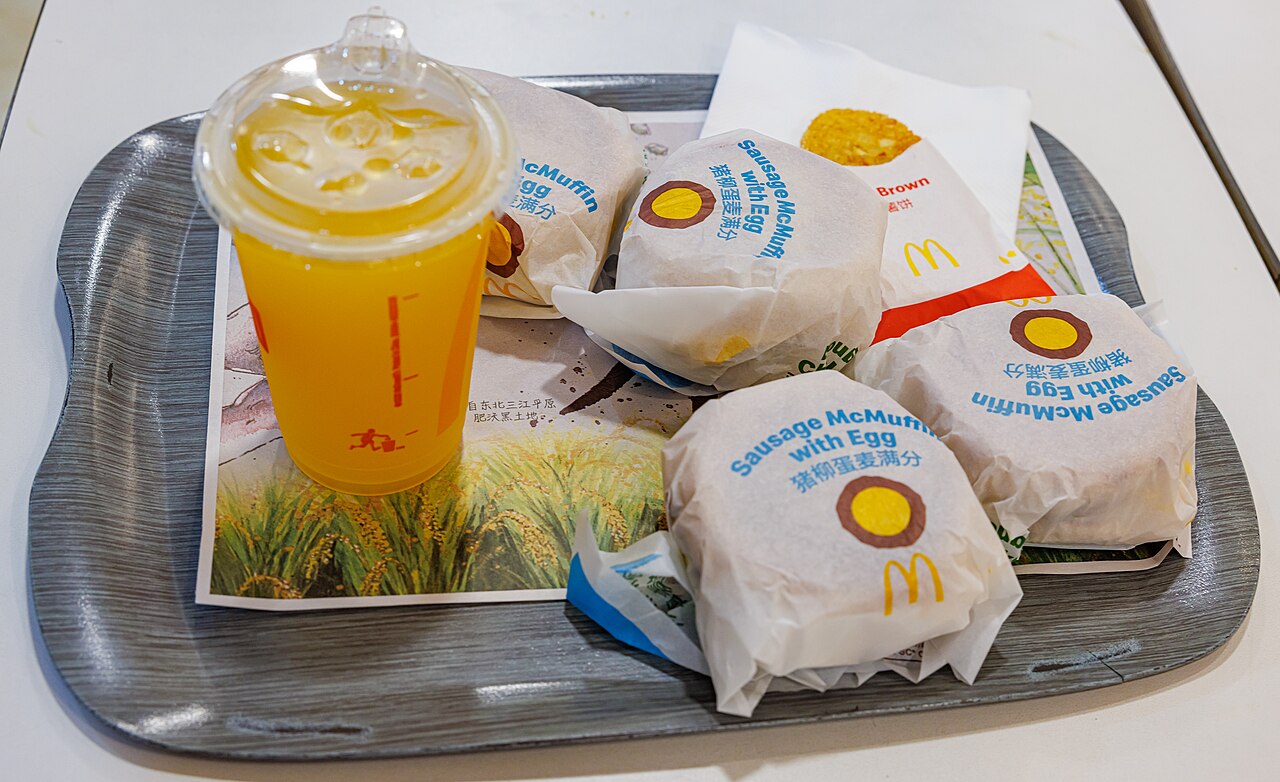
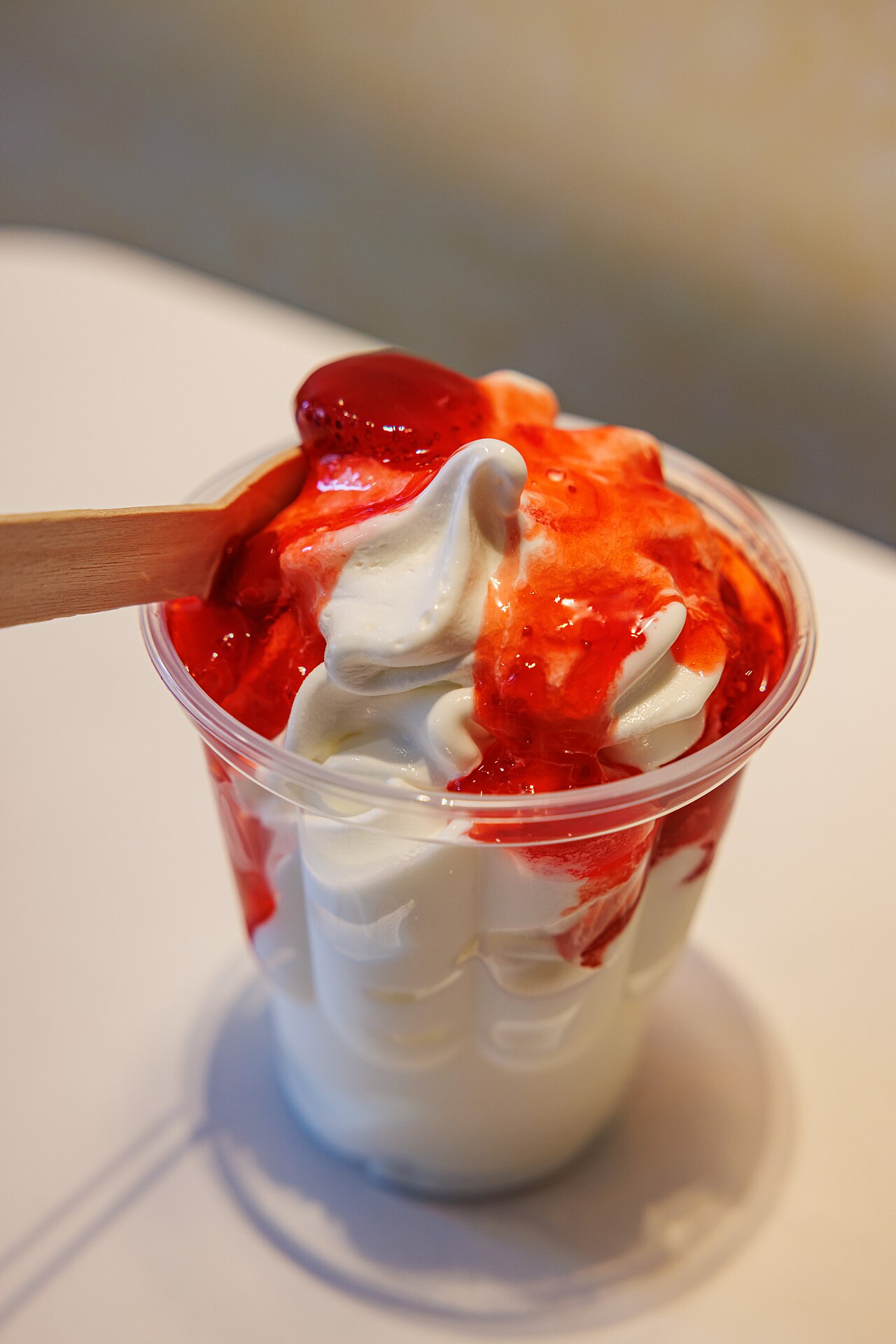
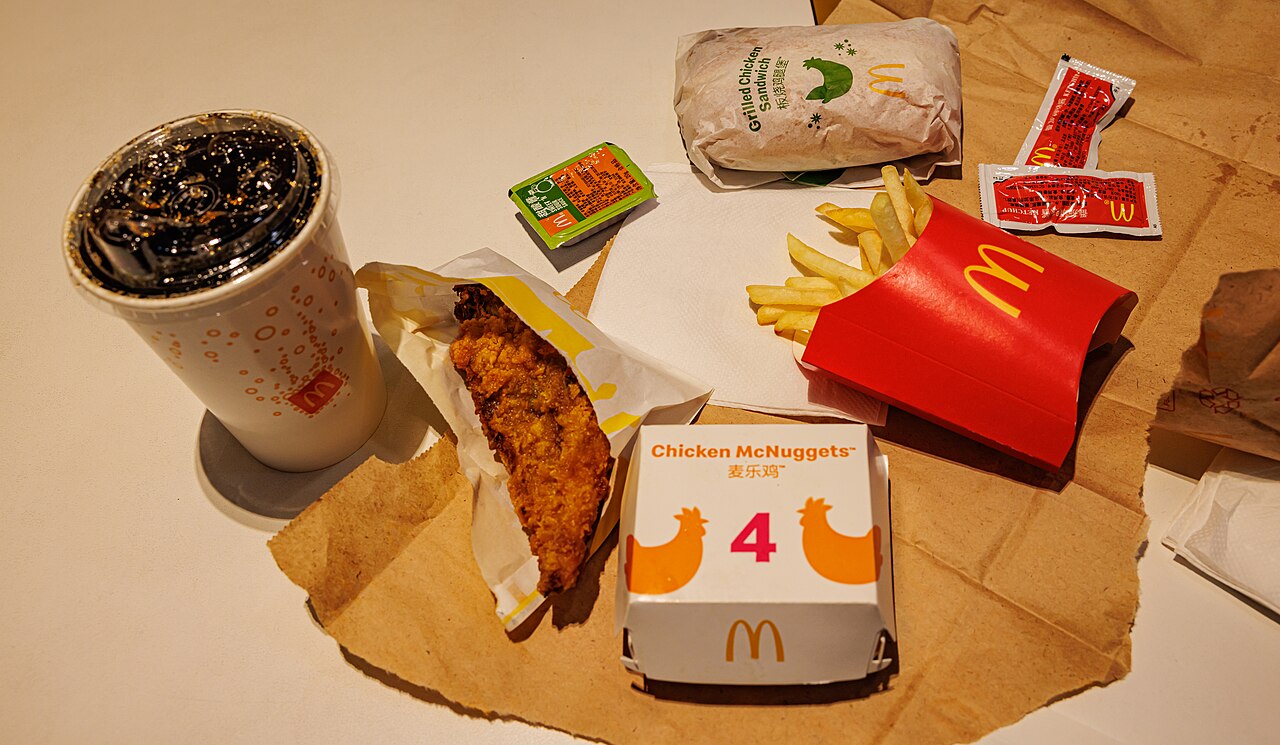
At its core, McDonald's sells hamburgers, cheeseburgers, French fries, chicken products, soft drinks, shakes, breakfast items, and desserts. The Big Mac and the French fries remain the most iconic offerings worldwide. Seasonal and regional items add variety: the McRib sandwich appears periodically, a Shamrock Shake arrives each March for Saint Patrick's Day, and New Mexico customers can find a Hatch Green Chile Double Cheeseburger topped with local green chile. In 2021 the company trimmed value meals and lower-priced items from the menu, shifting emphasis toward higher-margin products. Under CEO Steve Easterbrook, who took the helm in 2015, the U.S. menu was streamlined from nearly 200 items. The company eliminated high-fructose corn syrup from hamburger buns and swapped artificial preservatives in Chicken McNuggets for pea starch, rice starch, and powdered lemon juice. burgers—including the Big Mac and Quarter Pounder with Cheese—were free of artificial preservatives, flavors, and colors, though pickles retained an artificial preservative that customers could request to omit. In November 2020, McDonald's announced McPlant, a plant-based burger.
Franchise Economics, Workforce, and Controversies
McDonald's earns revenue in two main ways: direct sales at company-operated restaurants and, more significantly, rent, royalties, and fees collected from franchisees. At the end of 2025 the company owned roughly 56 percent of the land and 80 percent of the restaurant buildings within its consolidated markets, a structure that keeps a large share of franchisee income flowing back to the corporation. The brand's footprint has not been without controversy. Critics have raised concerns about the nutritional quality of the food, the treatment of animals in the supply chain, the company's environmental footprint, and the wages and working conditions of restaurant employees. locations it wholly owned, and during the COVID-19 pandemic it closed most seating and all play areas in American restaurants, pivoting toward drive-through, curbside pickup, and online delivery.
Gallery
Frequently Asked Questions
What are McDonald's's powers or role?
Its signature 'abilities' include the Speedee Service System for rapid order fulfillment, a menu built around hamburgers, French fries, chicken, and breakfast items, and a franchising model that lets independent operators run roughly 95 percent of its locations. The iconic Golden Arches and the Big Mac serve as its most recognizable symbols.
How does McDonald's's story end?
It doesn't—McDonald's is still very much active, operating tens of thousands of restaurants across more than 100 countries and continuing to grow its global franchise network. As a living brand, its 'story' is ongoing rather than concluded.
Why is McDonald's important in the wider world of food service?
It essentially defined the modern fast-food industry by turning standardized, quick-service dining into a globally scalable business model. Its franchising structure allowed rapid international expansion while keeping local ownership in the hands of franchisees, a blueprint many later chains copied.
What made McDonald's famous beyond just selling burgers?
The Speedee Service System, introduced in the 1950s, proved that a restaurant could serve a large volume of customers in minutes without sacrificing consistency. Combined with the instantly recognizable Golden Arches and the globally marketed Big Mac, these elements turned a small California diner into a household name on every continent.
More in Companies And Brands 1-23
Spotted an error? Know more?
This is a living reference — every entry is fact-audited, and reader corrections feed straight into our audit queue. Suggest an edit · See this site's audit record