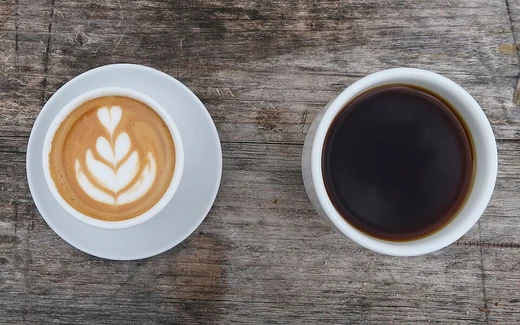
Drip coffee
A brewing method using hot water poured over coffee grounds.
Drip coffee is a method of brewing coffee by pouring hot water over ground coffee beans, allowing the water to seep through the grounds and a filter, and collecting the resulting liquid. The technique produces a clear, light-bodied coffee and is central to both home and specialty coffee preparation worldwide.
- Invented
- 1908 (commercial paper filters by Melitta Bentz)
- Field
- Beverage preparation
- Known for
- Pour-over coffee, paper filter brewing, automatic drip machines
Lore & Background
Commercial paper coffee filters were invented in Germany by Melitta Bentz in 1908 and are commonly used for drip brew all over the world. In 1944, Willy Brand developed an automatic drip-brewer utilizing circular paper filters in Switzerland. In 1954, one of the first electric drip brewers, the Wigomat invented by Gottlob Widmann, was patented in Germany. Drip brew coffee makers largely replaced the coffee percolator in the 1970s due to the percolator's tendency to over-extract coffee, thereby making it bitter.
Manual pour-over methods are popular ways of making specialty drip coffee. The method involves pouring water over a bed of coffee in a filter-lined conical, trapezoid, or cylindrical chamber. The quality of the resulting coffee is extremely dependent on the technique of the user, with pour-over brewing being a popular method used in the World Brewers Cup. The pour-over method typically starts by pouring a small amount of hot water over the paper filter to remove the paper taste, then the coffee grounds are added and the surface is flattened. A small amount of hot water is poured over the coffee grounds and allowed to sit for about 30 to 45 seconds before continuing the pouring; this pre-wetting, called blooming, releases carbon dioxide and helps improve the taste.
Reader's Guide
Drip coffee's significance lies in its widespread adoption and the variety of methods and devices it encompasses. The invention of commercial paper filters in 1908 by Melitta Bentz revolutionized home brewing, making it cleaner and more convenient. Automatic drip brewers, such as the Wigomat from 1954, further popularized the method by automating the process, eventually replacing the percolator in many households. The technique's flexibility is evident in manual pour-over devices, which allow precise control over brewing parameters and are central to specialty coffee culture. Drip coffee also has deep cultural roots: in South India, filter coffee known as Kaapi is a part of local culture, often made with a stainless-steel filter and sometimes blended with chicory. In Japan, filter coffee is central to coffee connoisseurship. The method's legacy includes ongoing innovation in filter materials—paper, metal, nylon, ceramic—each affecting the coffee's body and oil content. The Thue–Morse sequence of pours has been mathematically argued to deliver comparable strength in two cups of coffee. Drip coffee remains a fundamental and evolving technique in global coffee preparation.
Did You Know?
- Brewing with a paper filter produces clear, light-bodied coffee, but traps some of coffee's oils and essences.
- In South India, filter coffee brewed at home is known as Kaapi and is a part of local culture.
- The pour-over method often includes a 'blooming' step where a small amount of hot water is poured over the grounds and allowed to sit for 30 to 45 seconds.
- The Wigomat, patented in Germany in 1954, was one of the first electric drip brewers.
More in Coffee 1-15
Spotted an error? Know more?
Reader corrections go straight into our review queue. Suggest an edit · How this site is sourced