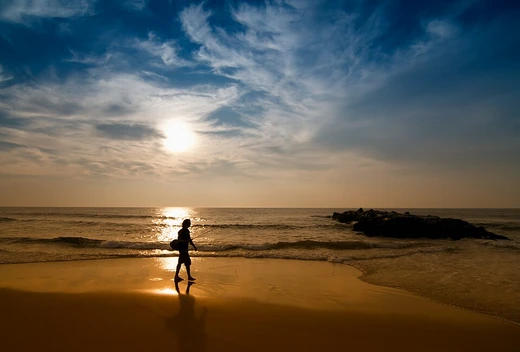
Surf zone
The nearshore zone where waves break and surf forms.
The surf zone, also called the breaker zone, is the nearshore area between where waves break and the shore. As waves approach the coast, they interact with the seafloor, become steeper, and break, creating foamy surf. After breaking, the reduced waves move shoreward as swash and then return as backwash.
Quick Facts
- Common inhabitants
- Crabs
- clams
- snails
- Notable species
- Surf clam (variable coquina), mole crab
- Rip current risk levels
- Low
- moderate
- high
Facts from the source article.
Animal life
Crabs, clams, and snails are common in the surf zone. The surf clam, or variable coquina, filters microalgae, tiny zooplankton, and particulates from seawater with its gills. The mole crab captures zooplankton with its antennae as a suspension feeder. Both species burrow rapidly into sand to avoid being swept away by tides and waves and to hide from predators. The surf zone is rich in nutrients, oxygen, and sunlight, making it highly productive for animal life.
Rip currents
Rip currents are strong local currents flowing offshore that can endanger swimmers. Low-risk conditions mean wind and waves are not expected to produce rip currents, though they may occur near jetties and piers. Moderate-risk conditions indicate stronger or more frequent rip currents, so only experienced surf swimmers should enter. High-risk conditions involve dangerous, life-threatening rip currents for anyone entering the surf.
More in Coastal Landforms
Spotted an error? Know more?
Reader corrections go straight into our review queue. Suggest an edit · How this site is sourced