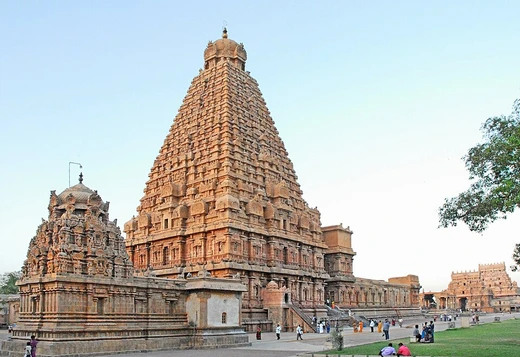
Tirumalai (Tamil Nadu)
Jain cave and temple complex with the tallest Jain image in Tamil Nadu.
Last updated
Where it is
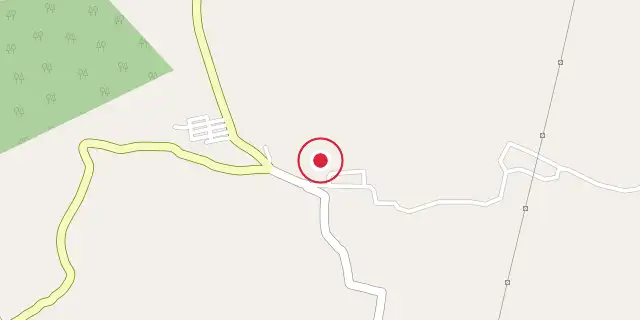
Coordinates: 12°33′25″N 79°12′22″E (12.5570, 79.2060) · Open in OpenStreetMap
Coordinates and connected clubs: the infobox of Wikipedia: Tirumalai (Tamil Nadu) (CC BY-SA 4.0). Map: drawn by Codexery from OpenStreetMap tiles.
Tirumalai, also known as Arhasugiri and Engunavirai-Tirumalai, is a Jain temple and cave complex in Tamil Nadu, southeast India, with origins dating to at least the 9th century CE. The site is notable for its three Jain caves, two Jain temples, and a 16.25 ft monolithic sculpture of the Tirthankara Neminatha, described as the tallest Jain image in the state. The Arahanthgiri Jain Math is located nearby.
History
Tirumalai has been an important Jain centre since at least the early medieval period. Local Jain tradition holds that 8,000 monks who accompanied Bhadrabahu performed penance and attained nirvana here, and footprints associated with four Jain saints are present at the site. An inscription dated to 1024 CE mentions the Kundavai Jinalaya temple and records conquests attributed to Rajendra Chola I along with gifts made by him. Two inscriptions of Rajendra Chola I from his twelfth regnal year are particularly important; one records a gift to the Jain temple at Tirumalai, called Kundavai Jinalaya, located in the pallisandam of Vaigavur.
The identification of the Kundavai who founded or endowed the temple is uncertain; scholars have discussed two possible royal women named Kundavai associated with the Chola family, with one conclusion favouring the elder Kundavai, sister of Rajaraja I and queen of a Pallava ruler.
Jain temples
The Kundavai Jinalaya is a 10th-century Jain temple traditionally associated with the Chola princess Kundavai Pirāttiyār and is said to have been one of two Jain establishments she commissioned, the other at Dadapuram not surviving. Situated on the Tirumalai hill, it contains an image of Mahavira flanked by two lions and incorporates both rock-cut and structural elements. A large monolithic Jain image at the site, approximately 16.25 ft high and carved directly from the rock, is described as the tallest Jain image in Tamil Nadu; the Archaeological Survey of India describes it as a monolithic image of Neminatha or Bahubali, while the Jain identification is generally given as Neminatha.
Footprints associated with Jain monks are preserved near the temple. The present temple includes a rock-cut portion and built architectural components, and the site has a multi-level architectural arrangement. A second temple dedicated to Mahavira, built to the west of the Kundavai Jinalaya, is generally dated to the later medieval period. A three-tiered temple at the foothill dating to the Chola period consists of a sanctum, vestibule and open pillared hall enclosed by a spacious circumambulatory passage.
A temple dedicated to Parshvanatha, also known as the Araikoil, was subsequently constructed and is associated with the early Vijayanagara period; it contains Jain paintings and shows continued use after the Chola period.
Paintings
Between the 15th and 17th centuries, artists added paintings to sections of the complex, and some of these works remain in the caves and temples. Their themes and artistic style have been likened to Jain paintings at the Ellora Caves. One notable image shows Parshvanatha under a five-headed serpent hood, encircled by devotees. Another depicts the Samavasarana, a divine preaching assembly, similar to versions at Shravanabelagola.
Additional surviving paintings feature Ambika, Parshvanatha, and Bahubali. These artworks confirm that the site was used for Jain worship long after the main Chola-era shrine was built. They are also important for understanding Jain art in Tamil Nadu, preserving religious subjects and compositional traditions found at other major Jain sites in southern India.
Did You Know?
- The large cavern at the base of the site is thought to have been established around the 9th century and was later divided into approximately 30 chambers.
- An inscription from the late 10th century refers to the site as Vaigai-malai, or 'the mountain of Vaigai'.
- The name Vaigai is thought to be connected with Vaigavur, the historical name of the village at the foot of the hill.
More in Chola Architecture
Sources
Compiled from Wikipedia and the sources listed below. Text from Wikipedia is available under CC BY-SA 4.0; this entry is adapted from it.
- Wikipedia: Tirumalai (Tamil Nadu) (CC BY-SA 4.0).
Spotted an error? Know more?
Reader corrections go straight into our review queue. Suggest an edit · How this site is sourced