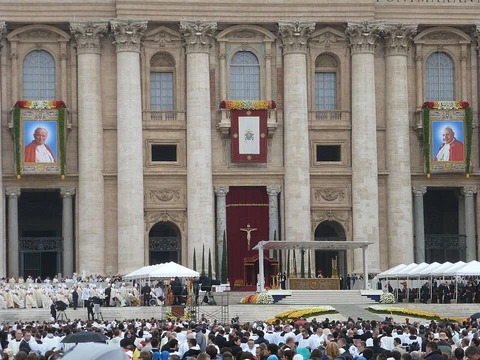
Pope Francis
First Latin American pope, known for humility and reform.

Pope Francis, born Jorge Mario Bergoglio on 17 December 1936 in Buenos Aires, Argentina, led the Catholic Church and served as sovereign of Vatican City from 13 March 2013 until his death on 21 April 2025. He broke multiple precedents: the first pope from the Jesuit order, the first from Latin America, and the first born or raised outside Europe since the Syrian-born Gregory III in the 8th century.
Bergoglio grew up in the Flores neighborhood of Buenos Aires, the eldest of five children in an Italian-immigrant family. His father, Mario José Bergoglio, was an accountant from Piedmont who left Italy in 1929 to escape Mussolini’s rule; his mother, Regina María Sívori, was a Buenos Aires-born housewife of northern Italian descent. After graduating from a technical secondary school with a diploma in chemical technology, he worked in a laboratory’s food section, and earlier held jobs as a bouncer and janitor. At age 21, a severe case of pneumonia and three cysts led to the surgical removal of part of a lung.
Inspired by a priest while on his way to celebrate Spring Day, Bergoglio entered the archdiocesan seminary in Villa Devoto. He joined the Jesuits as a novice on 11 March 1958, after three years there. As a young seminarian, he briefly doubted his vocation due to a crush on a girl. He studied humanities in Santiago, Chile, and earned a licentiate in philosophy in 1960. He taught literature and psychology at Jesuit high schools in Santa Fe and Buenos Aires from 1964 to 1966. Ordained a priest on 13 December 1969, he served as Jesuit provincial superior in Argentina from 1973 to 1979, became archbishop of Buenos Aires in 1998, and was made a cardinal by Pope John Paul II in 2001.
After Pope Benedict XVI resigned, the 2013 conclave elected Bergoglio pope on 13 March. He chose the name Francis in honor of Francis of Assisi. His papacy was marked by a humble, less formal style: he lived in the Domus Sanctae Marthae guesthouse instead of the papal apartments, wore simpler vestments without ornamentation, refused the traditional mozzetta cape, chose a silver piscatory ring over gold, and kept the iron pectoral cross he had used as cardinal. He emphasized God’s mercy, prioritized interreligious dialogue, and focused on the poor, migrants, and refugees. He made women and laymen full members of Roman Curia dicasteries, advocated for greater inclusivity toward LGBTQ people, and permitted non-liturgical blessings of same-sex couples in the Latin Church. He convened the Synod on Synodality, described as the culmination of his papacy and the most significant Catholic event since the Second Vatican Council.
On global issues, Francis criticized trickle-down economics, consumerism, and overdevelopment, making climate action a central focus. He declared capital punishment inadmissible in all cases and committed the Church to its worldwide abolition. He opposed right-wing populism and anti-immigration politics, calling migrant protection a “duty of civilization,” and called for the decriminalization of homosexuality. In diplomacy, he helped restore U.S.-Cuba relations, negotiated a deal with China on appointing bishops, signed the Vatican’s first treaty with Palestine, condemned Israel’s Gaza operations, and called for war-crimes investigations. In 2022, he apologized for the Church’s role in Canada’s Indian residential school system.
After declining health and several scares, Francis made his last public appearance on Easter Sunday 2025 and died the next day, Easter Monday, 21 April 2025. The 2025 conclave elected Leo XIV as his successor on 8 May, making him the second pope from the Americas.
- born
- 17 December 1936
- died
- 21 April 2025
- field
- Head of the Catholic Church
- nationality
- Argentine
- known_for
- First Jesuit pope; first pope from the Americas; emphasis on mercy, poverty, and
Verified Timeline
Lore & Background
Jorge Mario Bergoglio was born on 17 December 1936 in Flores, a neighbourhood of Buenos Aires, the eldest of five children of Italian immigrant Mario José Bergoglio and Regina María Sívori. At age 21, after life-threatening pneumonia and three cysts, he had part of a lung excised. While on his way to celebrate Spring Day, he passed by a church to go to confession and was inspired by a priest. He entered the Society of Jesus as a novice on 11 March 1958, was ordained a Catholic priest on 13 December 1969 by Archbishop Ramón José Castellano, and served as Jesuit provincial superior in Argentina from July 1973 to 1979. He became archbishop of Buenos Aires on 28 February 1998 and was created a cardinal in 2001 by Pope John Paul II. Following the resignation of Pope Benedict XVI, the 2013 papal conclave elected Bergoglio pope on 13 March. He chose Francis as his papal name in honor of Francis of Assisi. He chose to reside in the Domus Sanctae Marthae guesthouse rather than the papal apartments, favored simpler vestments, refused the traditional papal mozzetta cape upon his election, chose silver instead of gold for his piscatory ring, and kept the same iron pectoral cross he had as cardinal. He made women and laymen full members of dicasteries in the Roman Curia, permitted non-liturgical blessings of individuals in same-sex relationships in the Latin Church, and convened the Synod on Synodality, described as the culmination of his papacy and the most important event in the Catholic Church since the Second Vatican Council.
Reader's Guide
Pope Francis's significance lies in his reshaping of the papacy's tone and priorities. He emphasized God's mercy, humility, and a less formal approach, breaking with many traditions of his predecessors. He made action on climate change a leading focus of his papacy, criticized trickle-down economics, consumerism, and overdevelopment, and deemed capital punishment inadmissible in all cases, committing the Catholic Church to its worldwide abolition. He called for the decriminalization of homosexuality and the protection of migrants as a 'duty of civilization.' In international diplomacy, he helped restore diplomatic relations between Cuba and the United States, negotiated a deal with China to define Communist Party influence in appointing Chinese bishops, signed the Vatican's first treaty with Palestine, condemned Israel's military operations in Gaza, and called for investigations of war crimes. In 2022, he apologized for the Church's role in the Canadian Indian residential school system. Following a period of declining health and multiple scares, Francis made his last public appearance on Easter Sunday before dying on 21 April 2025, Easter Monday. The 2025 conclave elected Leo XIV as Francis's successor on 8 May, becoming the second pope from the Americas, after Francis.
Did You Know?
- Pope Francis was the first pope born or raised outside Europe since the 8th-century Syrian pope Gregory III.
- He had part of a lung excised at age 21 after life-threatening pneumonia and three cysts.
- He chose the name Francis in honor of Francis of Assisi.
- He refused the traditional papal mozzetta cape upon his election and chose a silver piscatory ring instead of gold.
- He helped restore diplomatic relations between Cuba and the United States.
Frequently Asked Questions
Who is Pope Francis?
Pope Francis, born Jorge Mario Bergoglio in Argentina, served as the head of the worldwide Catholic Church and ruler of Vatican City from 2013 until his passing in 2025. He is remembered as the first pope to come from the Americas and the first to belong to the Jesuit order.
What made Pope Francis's election so historic?
His 2013 selection broke multiple long-standing patterns, as no pope before him had been drawn from Latin America or the Jesuit congregation. He was also the first pontiff raised outside Europe since the early medieval period.
What was Pope Francis's role and authority?
As pope, he held supreme spiritual leadership over the global Catholic community and served as the sovereign head of state of Vatican City. His authority extended to guiding doctrine, appointing cardinals, and setting the Church's pastoral priorities.
What was Pope Francis most known for?
His papacy was defined by a strong focus on mercy, simplicity, and advocacy for the marginalized, including migrants, refugees, and the poor. He also pushed the Church toward greater attention on climate justice and interfaith dialogue.
How did Pope Francis's time as pope end?
He passed away on 21 April 2025, bringing his twelve-year pontificate to a close. His death marked the end of a tenure widely noted for its emphasis on humility and institutional reform.
More in Catholic Saints & Popes 1-24
Related in Catholic Saints & Popes
Links follow this subject's own source article.
Spotted an error? Know more?
This is a living reference — every entry is fact-audited, and reader corrections feed straight into our audit queue. Suggest an edit · See this site's audit record