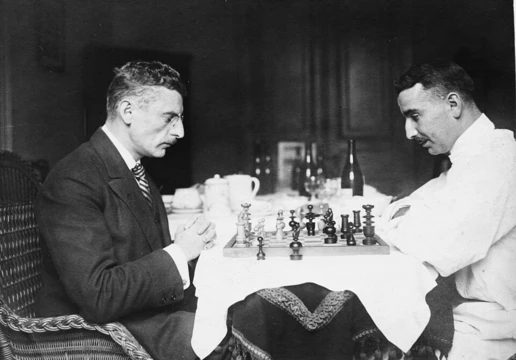
Shatranj
An ancient form of chess from the Sasanian Empire, ancestor of modern chess.
Last updated
Shatranj is an old form of chess, as played in the Sasanian Empire. Its origins lie in the Indian game of chaturanga. Modern chess gradually developed from this game, as it was introduced to Europe by contacts in Muslim-occupied Spain and in Sicily in the 10th century.
Quick Facts
- Origin
- Sasanian Empire (Persia)
- Derived from
- Indian chaturanga
- Introduced to europe
- 10th century via Spain and Sicily
Facts from the source article.
Background
The Persian word shatranj ultimately derives from Sanskrit chaturanga, meaning 'four arms,' referring to the game of the same name. The game arrived in Persia from India. During the reign of Khosrau I (531–579), an Indian king sent a chess set with sixteen emerald and sixteen ruby pieces.
The rules of chaturanga involve four branches of the army: horse, elephant, chariot, and foot soldier, played on an 8×8 board. Shatranj adapted much of the same rules and the basic 16-piece structure. The game spread westward after the Islamic conquest of Persia.
Did You Know?
- In early Indian chaturanga (c. 500–700), the king could be captured and this ended the game.
- Persian shatranj (c. 700–800) introduced the idea of warning that the king was under attack (announcing check in modern terminology).
- Later the Persians added the rule that a king could not be moved into check or left in check, so checkmate became the only decisive way to end a game.
More in Card & Tabletop Games
Sources
Compiled from Wikipedia and the sources listed below. Text from Wikipedia is available under CC BY-SA 4.0; this entry is adapted from it.
- Wikipedia: Shatranj (CC BY-SA 4.0).
Spotted an error? Know more?
Reader corrections go straight into our review queue. Suggest an edit · How this site is sourced