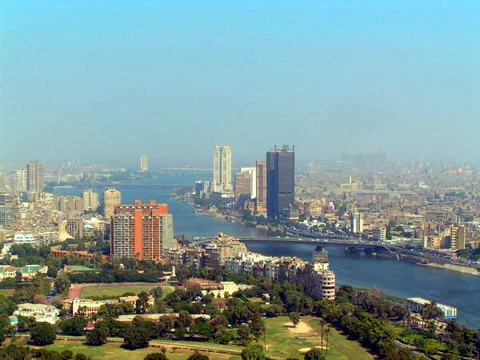
Antananarivo

Antananarivo, often shortened to Tana, is the capital and largest city of Madagascar. Its administrative district is called Antananarivo-Renivohitra, meaning "Antananarivo-Mother Hill" or "Antananarivo-Capital," and it also serves as the capital of the Analamanga region. Located at 1,280 meters above sea level in the island's center, it is the highest national capital among island nations. Since at least the 1700s, it has been Madagascar's most populous urban center. The city houses the country's Presidency, National Assembly, Senate, and Supreme Court, along with 21 diplomatic missions and the headquarters of numerous national and international businesses and NGOs. It offers more universities, nightclubs, art venues, and medical facilities than any other city on the island. Several sports teams, including the championship-winning national rugby team, the Makis, are based here.
Founded around 1610, the site was originally a Vazimba village called Analamanga. Merina King Andrianjaka expelled the Vazimba and established his capital there, building a fortified royal dwelling that later became the royal palaces of the Kingdom of Imerina. The city kept the name Analamanga until King Andriamasinavalona renamed it Antananarivo, meaning "City of the Thousand," in honor of Andrianjaka's soldiers. It served as the capital of the Kingdom of Imerina until 1710, when the kingdom split into four warring quadrants, and Antananarivo became the capital of the southern quadrant. In 1794, King Andrianampoinimerina captured the province and restored it as the capital of a united Imerina, expanding Merina control over neighboring ethnic groups. His son, Radama I, continued these conquests, eventually controlling over two-thirds of the island and being recognized as King of Madagascar by European diplomats. The city remained the capital under French colonization from 1897 and after independence in 1960.
Today, the Commune Urbaine d'Antananarivo (CUA) manages the city. Limited funds and mismanagement have hindered efforts to address overcrowding, traffic, waste, pollution, security, and public water and electricity issues, all worsened by rapid population growth. The city's population was 1,274,225 in the 2018 census, with a metropolitan area approaching three million. While the Merina people form the majority, all eighteen Malagasy ethnic groups are represented, along with residents of Chinese, Indian, European, and other origins. Major landmarks include the reconstructed royal palaces, Andafiavaratra Palace, the tomb of Rainiharo, Tsimbazaza Zoo, Mahamasina Stadium, Lake Anosy, four 19th-century martyr churches, and the Museum of Art and Archaeology.
- Founder
- Merina King Andrianjaka
- Country
- Madagascar
- Metropolitan population
- approaching three million
- Former name
- Analamanga
Verified Timeline
Reader's Guide
Today, it is managed by the Commune Urbaine d'Antananarivo (CUA). Limited funds and mismanagement have hampered consecutive CUA efforts to manage overcrowding and traffic, waste management, pollution, security, public water and electricity, and other challenges linked to explosive population growth. Major historic landmarks and attractions in the city include the reconstructed royal palaces and the Andafiavaratra Palace, the tomb of Rainiharo, Tsimbazaza Zoo, Mahamasina Stadium, Lake Anosy, four 19th-century martyr churches, and the Museum of Art and Archaeology.
Did You Know?
- Antananarivo sits at 1,280 m (4,199 ft) above sea level, making it the highest national capital by elevation among the island countries.
- The city was renamed Antananarivo ("City of the Thousand") by King Andriamasinavalona in honor of the 1,000 soldiers King Andrianjaka deployed to capture the site.
- The largest irrigated paddy field around the city is called the Betsimitatatra, built through fanampoana (statute labor) and still producing rice today.
- Antananarivo has been the country's largest population center since at least the 18th century.
- The city was originally called Analamanga, meaning "Blue Forest" in the Central Highlands Malagasy, and was established by the Vazimba, considered the island's first occupants.
Founding and the Birth of a Royal Capital
Antananarivo was historically the capital of the Merina people. It was founded circa 1610, when the Merina King Andrianjaka (1612–1630) expelled the Vazimba inhabitants of the village of Analamanga. Declaring it the site of his capital, Andrianjaka built a rova (fortified royal dwelling) that expanded to become the royal palaces of the Kingdom of Imerina. The city retained the name Analamanga until the reign of King Andriamasinavalona (1675–1710), who renamed it Antananarivo ("City of the Thousand") in honor of Andrianjaka's soldiers. According to the oral history, he deployed a garrison of 1,000 soldiers to successfully capture and guard the site. The hill and its city retained the name Analamanga until the reign of King Andriamasinavalona, who renamed it Antananarivo ("City of the Thousand") in honor of Andrianjaka's soldiers.
From Civil War to a Unified Island
The city served as the capital of the Kingdom of Imerina until 1710 when Imerina split into four warring quadrants. Antananarivo became the capital of the southern quadrant until 1794, when King Andrianampoinimerina of Ambohimanga captured the province and restored it as the capital of a united Kingdom of Imerina, also bringing neighboring ethnic groups under Merina control. These conquests continued under his son, Radama I, who eventually controlled over two-thirds of the island, leading him to be considered the King of Madagascar by European diplomats. Antananarivo remained the island's capital after Madagascar was colonized by the French in 1897, and after independence in 1960.
A Modern Metropolis in the High Country
Antananarivo was historically the capital of the Merina people, who continue to form the majority of the city's 1,274,225 (2018 census) inhabitants. The surrounding urban areas have a total metropolitan population approaching three million. All eighteen Malagasy ethnic groups, as well as residents of Chinese, Indian, European, and other origins, are represented in the city. The Presidency, National Assembly, Senate, and Supreme Court are located there, as are 21 diplomatic missions and the headquarters of many national and international businesses and non-governmental organizations. It has more universities, nightclubs, art venues, and medical services than any other city on the island. Several national and local sports teams, including the championship-winning national rugby team, the Makis, are based here. The city is currently managed by the Commune Urbaine d'Antananarivo (CUA). Limited funds and mismanagement have hampered consecutive CUA efforts to manage overcrowding and traffic, waste management, pollution, security, public water and electricity, and other challenges linked to explosive population growth.
Living Heritage and Sacred Grounds
Major historic landmarks and attractions in the city include the reconstructed royal palaces and the Andafiavaratra Palace, the tomb of Rainiharo, Tsimbazaza Zoo, Mahamasina Stadium, Lake Anosy, four 19th-century martyr churches, and the Museum of Art and Archaeology. Successive Merina sovereigns ruled over the Kingdom of Imerina from Analamanga through King Andriamasinavalona's reign. This sovereign gave the growing city its current name; he established the Andohalo town square outside the town gate, where all successive sovereigns delivered their royal speeches and announcements to the public. Andriamasinavalona designated specific territories for the hova (commoners) and each andriana (noble) subcaste, both within the neighborhoods of Antananarivo and in the countryside surrounding the capital. Numerous fady (taboos), including injunctions against the construction of wooden houses by non-nobles and the presence of swine within the city limits, were imposed. Early Merina kings used fanampoana (statute labor) to construct a massive system of irrigated paddy fields and dikes around the city to provide adequate rice for the growing population. These paddy fields, of which the largest is called the Betsimitatatra, continue to produce rice.
Frequently Asked Questions
Who founded Antananarivo?
The city's origins trace back to the Merina King Andrianjaka, who established a fortified hilltop settlement in the 17th century. That founding event is widely regarded as the seed from which Madagascar's political center grew.
What was Antananarivo called before its current name?
The settlement was previously known as Analamanga before it received the name Antananarivo. The older designation still echoes in the surrounding region's identity.
How big is Antananarivo's metropolitan population?
The metro area is approaching three million residents, making it the dominant urban cluster on the island by a wide margin.
Why is Antananarivo important to Madagascar?
It functions as the seat of government, the primary economic engine, and the cultural heart of the nation. Its central-highlands hilltop position has anchored Malagasy political life for centuries.
Which country does Antananarivo serve as the capital of?
Antananarivo is the capital of Madagascar, the island nation located off the southeastern coast of Africa.
More in Capital Cities Of Africa 1-16
Spotted an error? Know more?
This is a living reference — every entry is fact-audited, and reader corrections feed straight into our audit queue. Suggest an edit · See this site's audit record