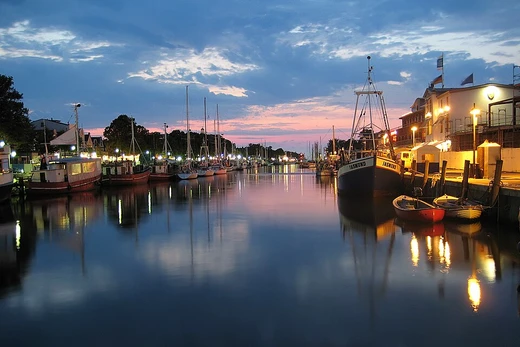
Bydgoszcz Canal
A 24.7 km canal connecting the Vistula and Oder rivers, built in 1772–1775.
Last updated
Where it is
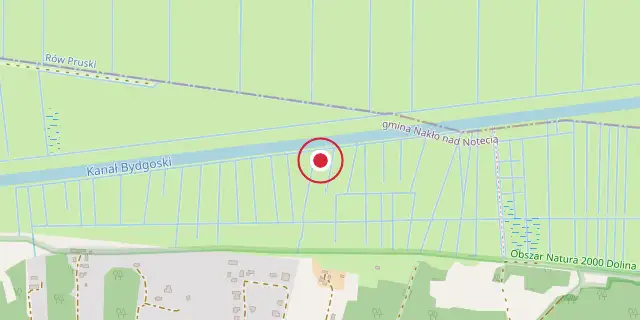
Coordinates: 53°08′20″N 17°45′54″E (53.1390, 17.7650) · Open in OpenStreetMap
Coordinates and connected clubs: the infobox of Wikipedia: Bydgoszcz Canal (CC BY-SA 4.0). Map: drawn by Codexery from OpenStreetMap tiles.
The Bydgoszcz Canal runs for 24.7 kilometers between the Polish cities of Bydgoszcz and Nakło nad Notecią. It links the Vistula River to the Oder River via the Brda and Noteć rivers—the Noteć flows into the Warta, which then joins the Oder.
Six locks manage the change in elevation along its course. King Frederick II of Prussia ordered its construction, which took place from 1772 to 1775, following the First Partition of Poland. The canal was added to the Kuyavian-Pomeranian Voivodeship Heritage List on 30 November 2005, under number A/900/1-27.
Background
The Bydgoszcz Canal was built in 1772–1775 on the order of King Frederick II of Prussia after the First Partition of Poland. It is 24.7 km long and connects the Vistula river with the Oder river, through the Brda and Noteć rivers. The level difference along the canal is regulated by 6 locks. The canal has been listed on the Kuyavian-Pomeranian Voivodeship Heritage List, Nr.A/900/1-27, on 30 November 2005.
Frequently Asked Questions
Who ordered the Bydgoszcz Canal built and when did construction take place?
King Frederick II of Prussia commissioned the project in the wake of the First Partition of Poland. Construction ran from 1773 to 1774, the canal was officially opened on 14 June 1774, and finishing work continued into 1775.
How many locks are on the Bydgoszcz Canal?
The canal currently has six locks. Its original design called for ten wooden locks—six on the Bydgoszcz side and four on the Nakło side.
More in Canals And Artificial Waterways
Sources
Compiled from Wikipedia and the sources listed below. Text from Wikipedia is available under CC BY-SA 4.0; this entry is adapted from it.
- Wikipedia: Bydgoszcz Canal (CC BY-SA 4.0).
Spotted an error? Know more?
Reader corrections go straight into our review queue. Suggest an edit · How this site is sourced