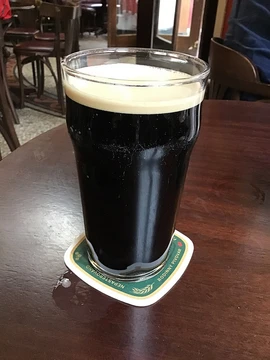
Budelse Brouwerij
A Dutch survivor brewery with roots in 1870.
Last updated
The Budelse Brouwerij is a Dutch brewery located in Budel, North Brabant. Founded in 1870 as Brewery De Hoop, it is notable for surviving the intense consolidation of the Dutch beer market after World War II, when the number of breweries in the Netherlands fell from 80 in 1945 to just 13 by 1975. It was one of the country's largest microbreweries in 2009 and has specialized in brewing eco-friendly beer since the 1990s.
Lore & Background
The brewery was founded in 1870 as Brewery De Hoop by Gerardus Arts, who had learned brewing at the Snieders family (later Dommelsch Brewery) in Dommelen and at brewery De Kroon in Oirschot. Funding came from the Maas family after Arts married Anna Maria Maas. In 1879, after the Iron Rhine railway was completed, Arts opened a hotel named Brouwershuis in Budel-Schoot. The brewery initially competed with the older Rutten family brewery and later with a third brewery founded in 1899 by A.J. de Winkel.
The rise of Pilsner beer, which required artificial refrigeration and significant capital, made it difficult for small breweries like Budels to compete. During World War I, shortages forced both the Rutten and Nelissen breweries to close in 1917. Budels began mechanizing in 1921 and started producing lemonade in 1922. Major investments came in the 1930s, after most local competitors had disappeared.
After World War II, the Dutch beer market underwent rigorous concentration: from 80 breweries in 1945 to 58 in 1950, 20 by 1968, and just 13 by 1975. Budelse Brouwerij was one of the few to survive.
Pilsner's share of the beer market rose from just over 50% before the war to almost 99% by 1980, while per capita beer consumption grew from 10.1 liters after the war to 89.1 liters in 1981. In the 1980s, as the public sought traditional or foreign beers, the brewery expanded beyond its core Pilsner, sweetened Oud bruin, and Bock to include Capucijn abdijbier (warm fermentation), Altbier, and specialty beers. It began brewing eco-friendly beer in the 1990s, ahead of its time.
Reader's Guide
Budelse Brouwerij's significance lies in its resilience through a century of dramatic change in the Dutch brewing industry. Founded in 1870 as a small local brewery, it weathered the capital-intensive shift to Pilsner production, the closures of competitors during World War I, and the post-war consolidation that reduced the number of Dutch breweries from 80 to just 13. By 2009 it was one of the country's largest microbreweries.
Its legacy includes an early move into eco-friendly brewing in the 1990s, a specialization that set it apart. The brewery also adapted to changing consumer tastes in the 1980s, adding warm-fermentation abbey beer and other specialty styles to its traditional lineup of Pilsner, sweetened Oud bruin, and Bock. Its survival and evolution reflect broader trends in the Dutch beer market, from the dominance of industrial Pilsner to the later revival of craft and specialty beers.
Frequently Asked Questions
What industry is Budelse Brouwerij in?
Budelse Brouwerij operates in the Alcoholic beverage industry.
Who owns Budelse Brouwerij?
Budelse Brouwerij is owned by Gerard and Carine and Harry Arts.
More in Breweries of Scandinavia and the Low Countries
Sources
Compiled from Wikipedia and the sources listed below. Text from Wikipedia is available under CC BY-SA 4.0; this entry is adapted from it.
- Wikipedia: Budelse Brouwerij (CC BY-SA 4.0).
Spotted an error? Know more?
Reader corrections go straight into our review queue. Suggest an edit · How this site is sourced