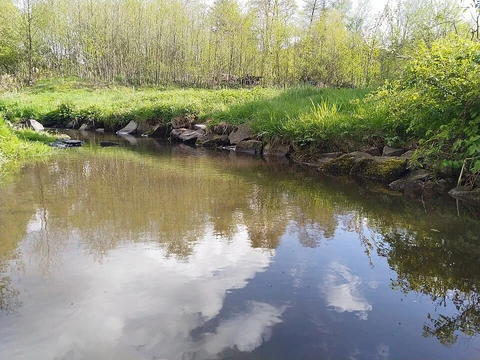
Horse pond
A man-made watering hole for horses, now less common.
Last updated
A horse pond is a body of water created and used for the benefit of horses, allowing them to drink and wash their legs. Once important when horses were a primary means of transportation, these ponds have become less common due to the advent of wash racks, water troughs, and antibacterial soaps. They are still used today but are less sanitary and harder to maintain than modern alternatives.
Quick Facts
- Puddling thickness
- 6-7 inches
- Puddling materials
- clay and lime
- Maximum water height
- no higher than the horses' knees
Facts from the source article.
Construction
When built in well-drained soil without a brook supply, a horse pond was lined with puddling about 6-7 inches thick, made of clay and lime rammed or trampled home. The lime prevented worms from burrowing through the clay. Over the puddling, a causeway of stone and sand was laid to protect it from horses' hooves. Ponds by roads were often designed so horses and vehicles could enter one end and exit the other, with water rising no higher than the horses' knees.
Equine Risks
Horse ponds can expose horses to diseases if the water is contaminated by nearby wildlife. Fertilizer runoff from farms and certain types of algae can also poison the water, making it important to recognize signs of dangerous algae blooms.
Because ponds may freeze or dry up, water troughs should be provided as a backup. Keeping the pond clean is essential for a healthy water supply. Additionally, standing in water for prolonged periods can increase the risk of mud fever, a leg infection caused by bacteria common in wet and muddy conditions during winter and summer.
Environmental Risks
Horse ponds were once man-made for watering and cleaning horses. Today, horses often use natural ponds, but their manure can contaminate groundwater, fuel algae growth with nitrogen, and spread E. coli. To protect water sources, environmentalists advise keeping horses away from all natural water bodies.
Did You Know?
- Owners can line a horse pond with dark materials to prevent algae growth.
More in Bodies of Water
Sources
Compiled from Wikipedia and the sources listed below. Text from Wikipedia is available under CC BY-SA 4.0; this entry is adapted from it.
- Wikipedia: Horse pond (CC BY-SA 4.0).
Spotted an error? Know more?
Reader corrections go straight into our review queue. Suggest an edit · How this site is sourced