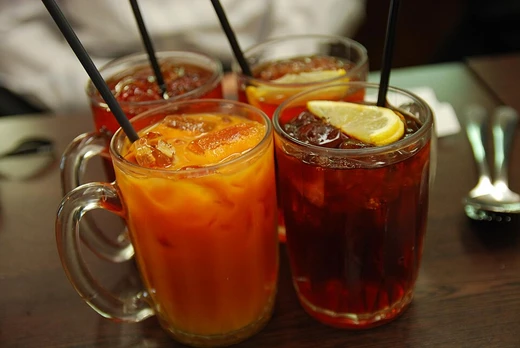
Teahouse
Establishments serving tea as centers of social interaction worldwide.
Last updated
A teahouse or tearoom is a place where tea and light refreshments are the main offerings. It might be a dedicated room within a hotel, especially for afternoon tea, or a business that focuses solely on cream tea. Like coffee houses, teahouses often function as social hubs, though their specific role varies by country and culture.
East Asia
In East Asia, teahouses are traditional spots where people gather to chat, socialize, and drink tea, and they are also common meeting places for young couples. The Cantonese-style teahouse, known as a chálou, is famous abroad and serves dim sum alongside tea. Before tea became a social drink, Buddhist monks used it to aid meditation; during the Chinese adaptation of Buddhism from around 200 C.E. to 850 C.E., tea was first used as a medicinal herb before helping monks stay alert during meditation. It later replaced milk- and water-based drinks and, by the 8th–9th centuries, Chinese teahouses had created a new kind of social life.
In Japan, a teahouse traditionally refers to a private structure built for the tea ceremony, with the specific room called chashitsu, designed for aesthetic and intellectual fulfillment. During the Edo period, the term "teahouse" also described places where geisha entertained clients or where couples sought privacy—these were called ochaya, though they only incidentally served tea. Today, modern Japanese tearooms are known as kissaten, while ochaya is still used in Kyoto for geisha entertainment venues.
Southeast Asia
In Southeast Asia, Myanmar’s teahouses, called laphetyay saing, are common in urban areas and first appeared during British colonial rule. They serve milk tea and a range of foods, from native dishes like mohinga to Indian fritters and Chinese pastries, and have traditionally acted as conversational salons.
South Asia
In South Asia, Pakistan’s Pak Tea House in Lahore is a well-known intellectual tea-café and a hub for the Progressive Writers’ Movement.
Central and West Asia
Across Central and West Asia, teahouses go by names like shayhana in Kazakhstan, chaykhana in Kyrgyzstan, and choyxona in Uzbekistan—all meaning “tea room.” In Tajikistan, large teahouses include the Orient, Chinese, and Orom teahouses in Isfara. In 2006, the people of Isfara gave the Isfara Teahouse to the city of Kulyab for its 2,700th anniversary. In Iran, Azerbaijan, and Turkey, teahouses are called chaikhaneh, çayxana, or çayhane, and often serve other drinks and shisha alongside tea. In Arab countries like Egypt, establishments serving tea, coffee, and herbal teas are called ahwa or maqha, usually translated as “coffeehouse.”
In Europe, tea drinking is closely tied to English culture. The first public tearoom is credited to a female manager of London’s Aerated Bread Company in 1864, which grew into a successful chain. Tearooms were part of expanding opportunities for women in the Victorian era. Today, a UK tea room is a small, often sedate restaurant serving beverages and light meals, from a cream tea (scone with jam and clotted cream) to an elaborate afternoon tea with sandwiches and cakes, or a savoury high tea.
In Scotland, teas come with scones, pancakes, crumpets, and other cakes. London hotels like Brown’s Hotel have served tea in their tearooms for over 170 years. The term “tea room” can also mean a workplace break room for tea breaks, traditionally served by a tea lady.
In Commonwealth countries like Canada, tea rooms are popular, especially during harsh winters when afternoon tea is common. The menu is similar to the UK’s but may include butter tarts, nanaimo bars, or pets de sœurs.
Quick Facts
- Known for
- Serving tea and light refreshments as centers of social interaction
- Variants
- British tea rooms
- Chinese cháguǎn
- Japanese chaya
- Central Asian chaykhana
Facts from the source article.
Frequently Asked Questions
What is a teahouse?
A teahouse is a hospitality establishment dedicated primarily to serving tea along with light snacks or refreshments. It can range from a dedicated standalone venue to a designated room within a hotel set aside for afternoon tea service.
What are the main cultural variants of teahouses?
Teahouses appear across many traditions, including British tea rooms, Chinese cháguǎn, Japanese chaya, and Central Asian chaykhana. Each variant reflects local customs around how tea is prepared, presented, and shared with guests.
More in Beverages & Drink Culture
Sources
Compiled from Wikipedia and the sources listed below. Text from Wikipedia is available under CC BY-SA 4.0; this entry is adapted from it.
- Wikipedia: Teahouse (CC BY-SA 4.0).
- Word definitions: the , each quoted from its Wikipedia article.
Spotted an error? Know more?
Reader corrections go straight into our review queue. Suggest an edit · How this site is sourced