Frequently Asked Questions
The most-asked questions about belarusian cuisine.
What defines Belarusian cuisine as a distinct culinary tradition?
Rooted in the agricultural plains of Eastern Europe, it centers on hearty, one-pot meals built around potatoes, grains, and dairy, with a strong emphasis on fermentation and preservation techniques passed down through rural communities.
What are the most recognizable dishes?
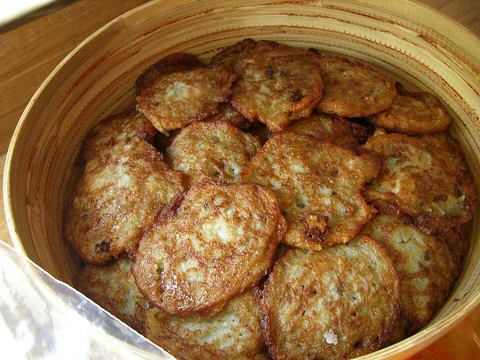
Draniki (potato pancakes), kolduny (stuffed dumplings), and machanka (a thick meat-and-gravy stew) are the three dishes most associated with the tradition, typically served together with a dollop of sour cream or butter.
Why are potatoes so central to the cuisine?
The cool, moist climate of the Belarusian lowlands made the potato an exceptionally reliable crop, and by the 18th century it had become the dietary backbone, appearing in nearly every meal in dozens of preparations.
What role do dairy and fermentation play?
Sour cream, kvass, and various fermented milk products are everyday staples; the tradition of aging and fermenting dairy stretches back centuries and gives many dishes their characteristic tang.
How does it differ from neighboring Polish or Lithuanian cuisines?
While there is overlap in potato and grain use, Belarusian cooking tends toward simpler, more rustic preparations with less butter and fewer elaborate sauces, and places greater emphasis on smoked meats and mushroom foraging from the dense forests.
What are the main regional variations?
The Polesie (southern forest) region is known for mushroom and berry dishes, the central belt for grain porridges and dumplings, and the northern areas for heavier dairy-based preparations.
What traditional drinks accompany the food?
Kvass (a fermented rye or grain beverage), dried-fruit compote (vark), and in festive contexts a local honey-based spirit or simple apple cider are the most common pairings.
What is the cultural context around meals?
Belarusian food culture is deeply tied to seasonal rhythms and communal gatherings; large shared tables during harvest festivals, weddings, and religious holidays remain a defining social practice.
Where can someone experience authentic Belarusian cooking today?
Family-run restaurants in Minsk and smaller towns, as well as home-cooked meals in rural guesthouses and agrotourism farms, offer the most authentic experience, though the cuisine has also gained a presence at Eastern European food festivals abroad.
What is a good first dish for someone new to the cuisine?
A plate of draniki topped with a spoonful of sour cream alongside a side of machanka is the most approachable entry point, as it showcases the potato, the dairy, and the meat-gravy element in a single, uncomplicated meal.