
BBC Music Awards
Annual BBC pop music awards held from 2014 to 2017.

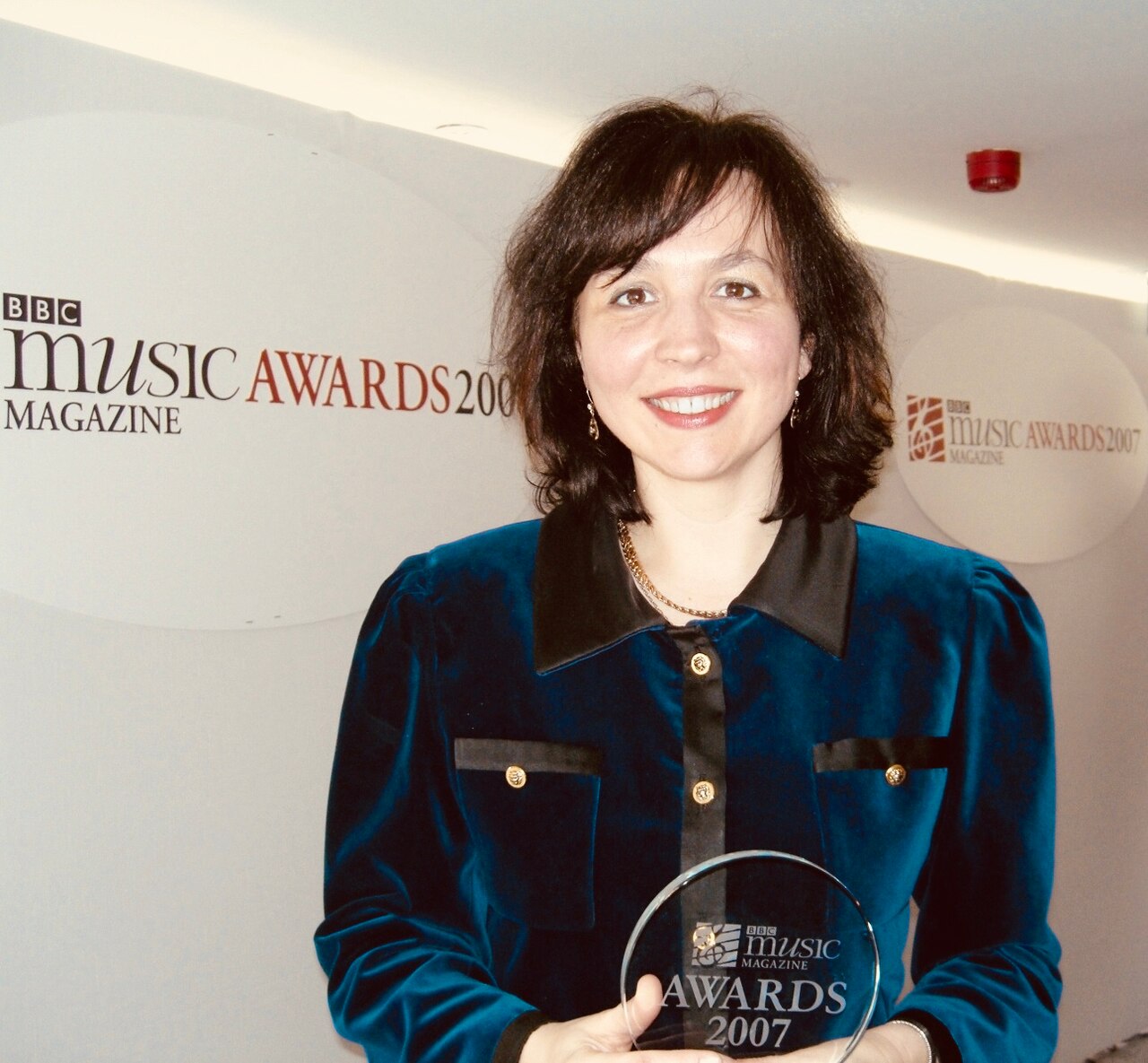
Luiza Borac · CC BY-SA 4.0
The BBC Music Awards were an annual pop music event organised by BBC Music, held each December from 2014 to 2017 to recognise musical achievements from the preceding year. For the first three years, a live ceremony was broadcast on BBC One; the fourth and final edition was a reduced affair without a live ceremony, airing instead on BBC Two.
The awards aimed to highlight the year’s musical progress and output, focusing largely on UK artists while also including categories for international acts. The BBC assessed which songs, albums, and artists had performed well both domestically and globally. The shows also acknowledged artists’ live performances at major concerts or festivals during the year. The live event, broadcast across television, radio, and online, gave several performers the chance to showcase their talent on stage before a live audience.
**History**
**2014** The first BBC Music Awards took place on 11 December 2014 at London’s Earl’s Court, broadcast live on BBC One, BBC Radio 1, and BBC Radio 2. It was hosted by Chris Evans and Fearne Cotton. Performers included One Direction, will.i.am, George Ezra, Take That, Labrinth, Ella Henderson, and Catfish and the Bottlemen. An average of 3.9 million viewers watched live on BBC One, peaking at 4.7 million at 21:00 GMT.
**2015** The second ceremony was held on 10 December 2015 at the Genting Arena in Birmingham. That year featured the award for Best Live Performance, which had previously existed in 2014 as 'Live Performance of the Year'.
**2016** The third event was announced on 28 October and took place on 12 December at ExCeL London. Two new awards were added: the BBC Radio 1 Live Lounge Performance of the Year and the BBC Radio 2 Album of the Year.
**2017** On 21 November 2017, the BBC announced the fourth edition would be scaled back, with no awards ceremony. Instead, the awards were incorporated into *The Year In Music 2017*, a studio-based programme on BBC Two hosted by Claudia Winkleman and Clara Amfo on 8 December. This show covered the One Love Manchester benefit concert, which followed the terrorist attack at an Ariana Grande concert in May, and featured a greater emphasis on music than previous years, with new performances and archive broadcasts from various events.
- Field
- Pop music awards
- Years active
- 2014–2017
- Broadcaster
- BBC
- Ceremony locations
- London (Earl's Court, ExCeL London) and Birmingham (Genting Arena)
- Notable awards
- Live Performance of the Year, Album of the Year, Artist of the Year, BBC Introducing Artist of the Year
Lore & Background
The BBC Music Awards were established to celebrate music progression and production over the preceding year, focusing primarily on UK artists while also including categories for international acts. The awards considered songs, albums, and artists that had been successful nationally and globally, as well as live performances at concerts or festivals. The live event, broadcast across TV, radio, and online, gave several artists the opportunity to perform on stage before a live audience.
Reader's Guide
The inaugural ceremony took place on 11 December 2014 at London's Earl's Court, presented by Chris Evans and Fearne Cotton, with performances by One Direction, will.i.am, George Ezra, Take That, Labrinth, Ella Henderson, and Catfish and the Bottlemen. An average audience of 3.9 million watched live on BBC One, peaking at 4.7 million. The second ceremony on 10 December 2015 at Birmingham's Genting Arena introduced the Best Live Performance award. The third ceremony on 12 December 2016 at ExCeL London added the BBC Radio 1 Live Lounge Performance of the Year and BBC Radio 2 Album of the Year awards. The fourth and final edition in 2017 was scaled back, with no live ceremony; winners were announced on the programme The Year In Music 2017 on BBC Two, which covered the One Love Manchester benefit concert and featured new performances and archive broadcasts.
Did You Know?
- The first BBC Music Awards were held on 11 December 2014 at London's Earl's Court.
- The 2015 ceremony featured the award for Best Live Performance, which had already been introduced in 2014 as 'Live Performance of the Year'.
- The 2017 Artist of the Year winner was Ed Sheeran, not Stormzy.
Origins & Purpose
The BBC Music Awards emerged as the corporation's annual celebration of pop music, running from 2014 through 2017 under the coordination of BBC Music, the broadcaster's dedicated music division. Each December, the event looked back over the preceding twelve months to honour the most significant musical achievements, whether in songwriting, album production, or artist development. While the majority of categories were reserved for United Kingdom-based talent, the ceremony also carved out space for international acts, recognising success both on a national and global scale. Beyond studio recordings, the awards placed particular weight on how artists carried themselves in front of live audiences at concerts and festivals throughout the year. The shows were distributed across television, radio, and online platforms, giving performers a stage in front of a live audience while simultaneously reaching viewers and listeners at home. This multi-platform approach was central to the BBC's vision of making the celebration accessible wherever audiences chose to engage.
The Inaugural Year & Expansion
The first BBC Music Awards took place on 11 December 2014 at London's Earl's Court, broadcast simultaneously on BBC One, BBC Radio 1, and BBC Radio 2. Chris Evans and Fearne Cotton, both BBC Radio presenters, hosted the evening. The stage hosted a diverse lineup including One Direction, will.i.am of The Black Eyed Peas and The Voice UK, George Ezra, Take That, Labrinth, Ella Henderson, and Catfish and the Bottlemen. The ceremony drew an average audience of 3.9 million on BBC One, peaking at 4.7 million viewers at 21:00 GMT. The following year, the event relocated to Birmingham's Genting Arena on 10 December 2015, where a new Best Live Performance category was introduced to spotlight a standout BBC live moment. By 2016, the ceremony had moved to ExCeL London on 12 December, and two additional awards joined the lineup: the BBC Radio 1 Live Lounge Performance of the Year and the BBC Radio 2 Album of the Year, broadening the scope of recognition across the broadcaster's music output.
The Final Edition
On 21 November 2017, the BBC announced that the fourth iteration of the Music Awards would take a markedly different form. Rather than staging a traditional awards ceremony, the honours were folded into The Year In Music 2017, a studio-based programme on BBC Two hosted by Claudia Winkleman and Clara Amfo, airing on 8 December. This scaled-back approach meant no live ceremony was held. The programme carried a broader musical influence than previous years, incorporating new performances alongside archive broadcasts from various events. A particularly poignant thread was its coverage of the One Love Manchester benefit concert, staged earlier that year in the aftermath of the terrorist attack during Ariana Grande's May performance. Among the winners announced, Stormzy took Artist of the Year, Rag'n'Bone Man's Human claimed Album of the Year, and Foo Fighters' Glastonbury set was named Live Performance of the Year. Declan McKenna was recognised as BBC Introducing Artist of the Year.
Honouring Live Performance & Emerging Talent
A defining thread running through all four editions was the BBC's commitment to celebrating music as a live, communal experience. The awards consistently evaluated how artists performed at major concerts and festivals across the year, not merely how their recordings charted. The 2015 introduction of the Best Live Performance award formalised this by recognising a single standout moment on the BBC, while 2016 added the Radio 1 Live Lounge Performance of the Year to honour artists who shone in the broadcaster's intimate studio setting. The BBC Introducing Artist of the Year category, awarded to Declan McKenna in 2017, underscored the network's role in surfacing new talent before they reached mainstream prominence. The multi-platform broadcast strategy—spanning BBC One, BBC Two, Radio 1, Radio 2, and online—ensured that whether a viewer watched from a living room or a listener tuned in via radio, the celebration of UK and international music felt inclusive and immediate.
Gallery
More in BBC Two original programming 1-24
Spotted an error? Know more?
Reader corrections go straight into our review queue. Suggest an edit · How this site is sourced