Taipei 101
Taipei 101: A 508-meter icon of Taiwan, once the world's tallest building, blending neo-futurist design with traditional Asian aesthetics.

Balon Greyjoy · CC0
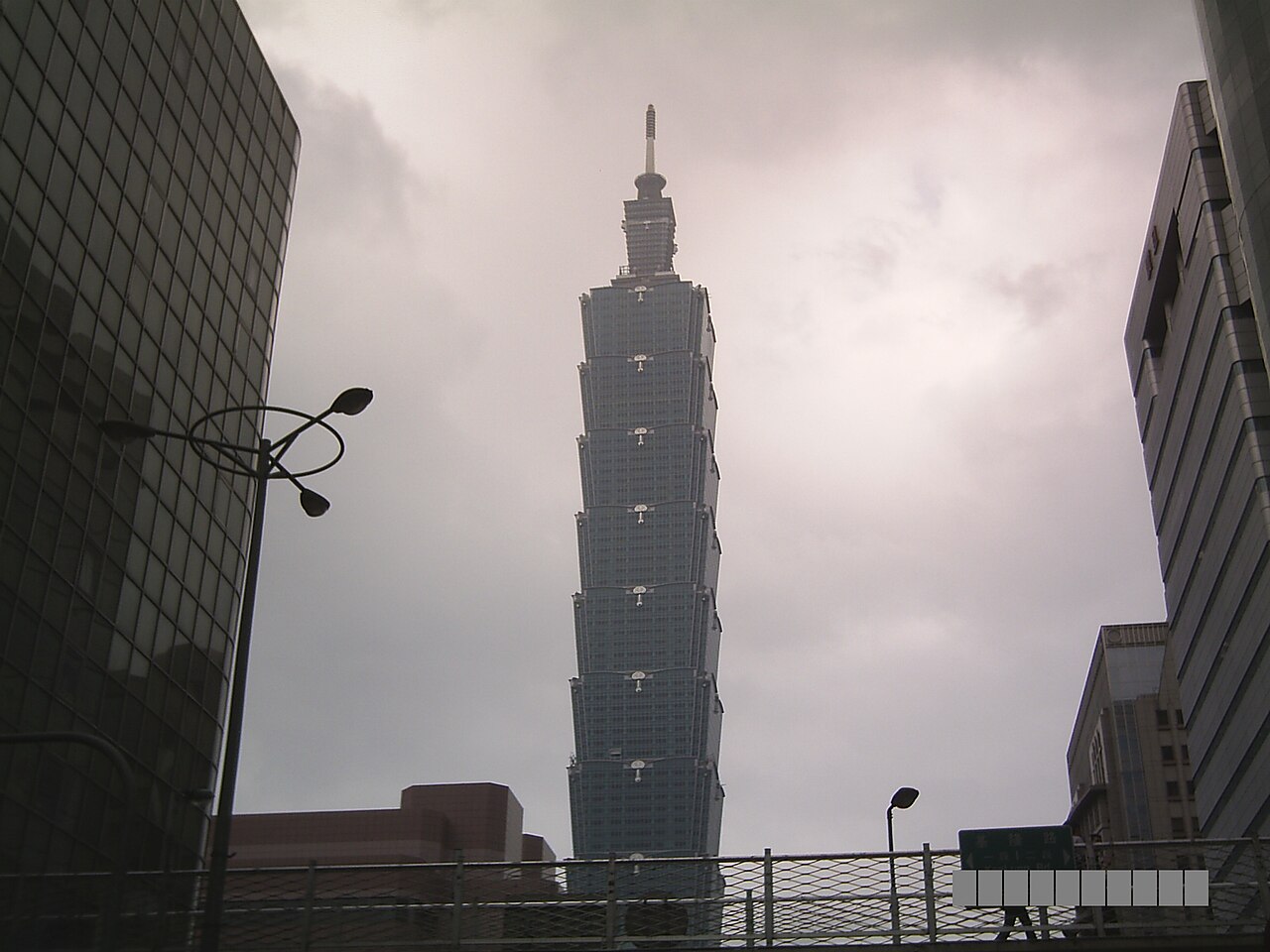
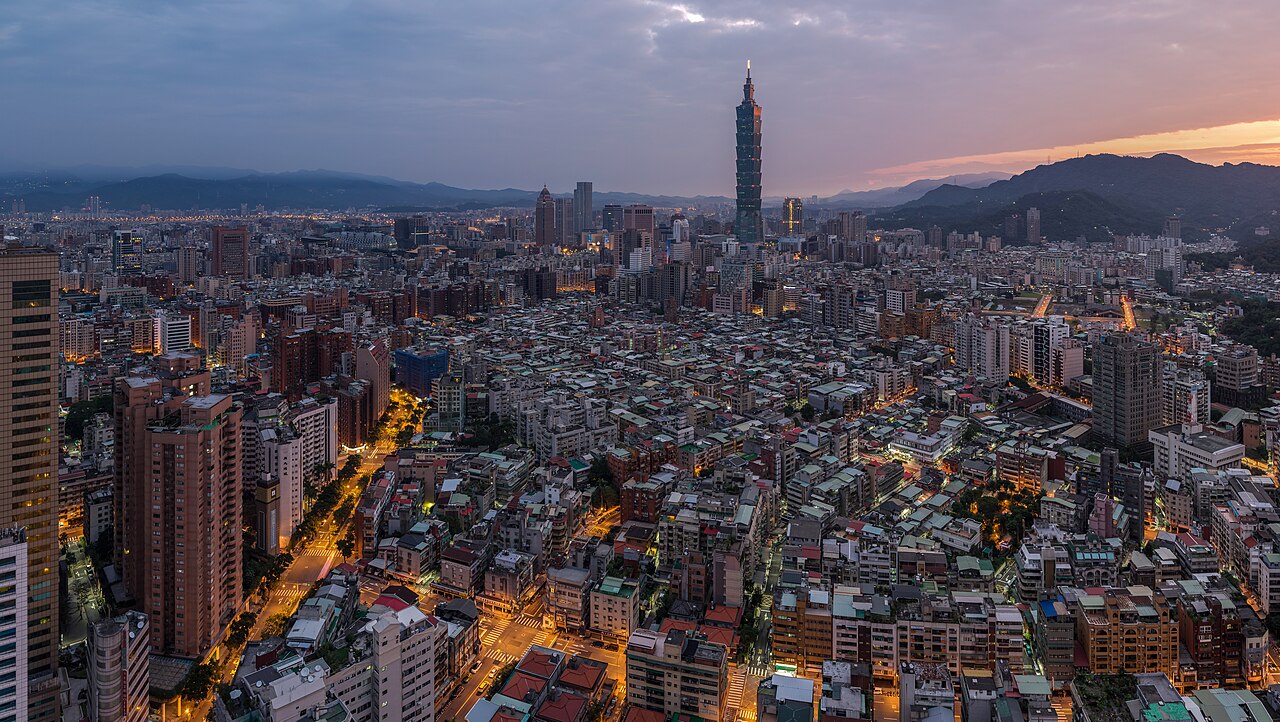
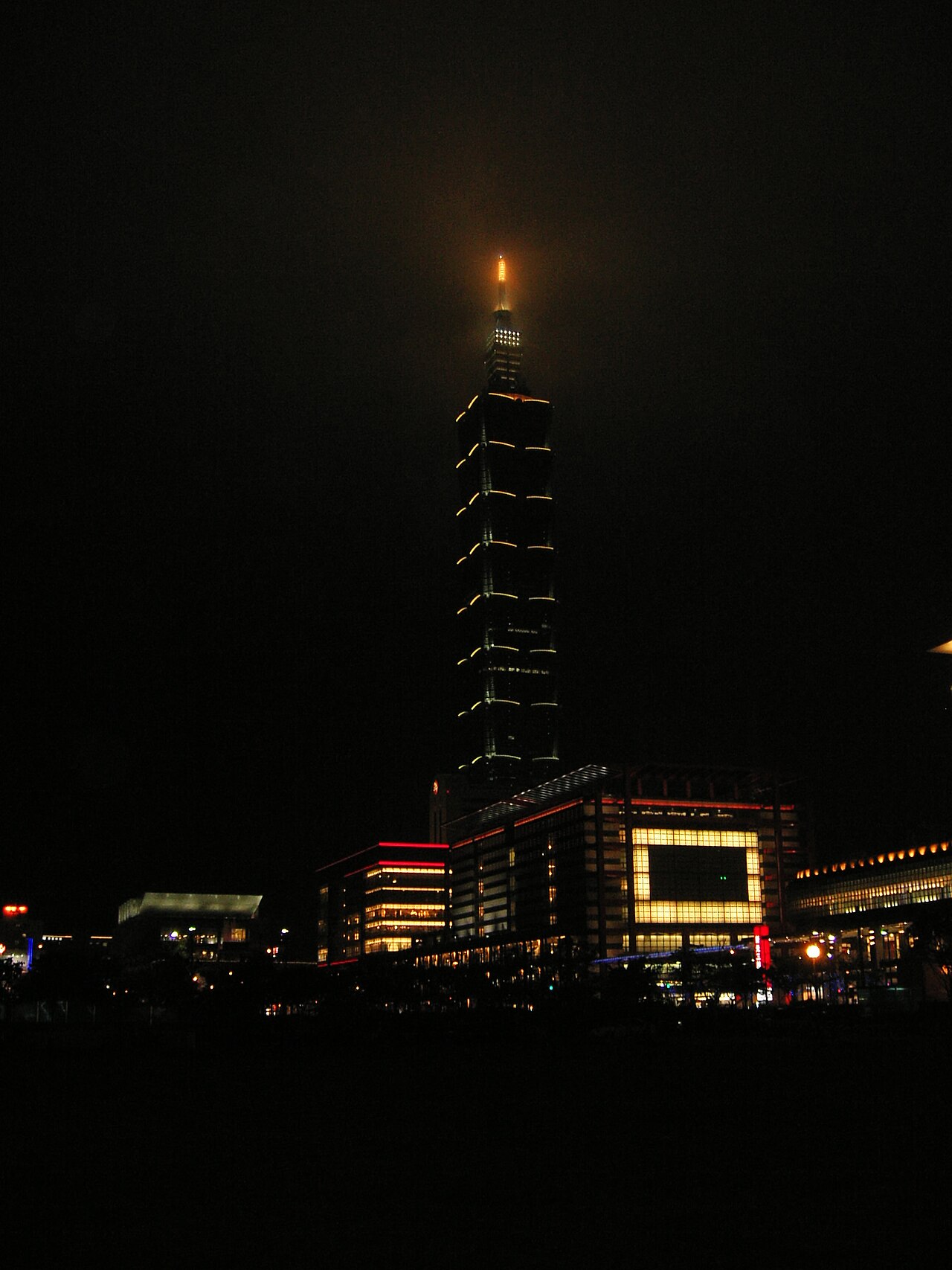
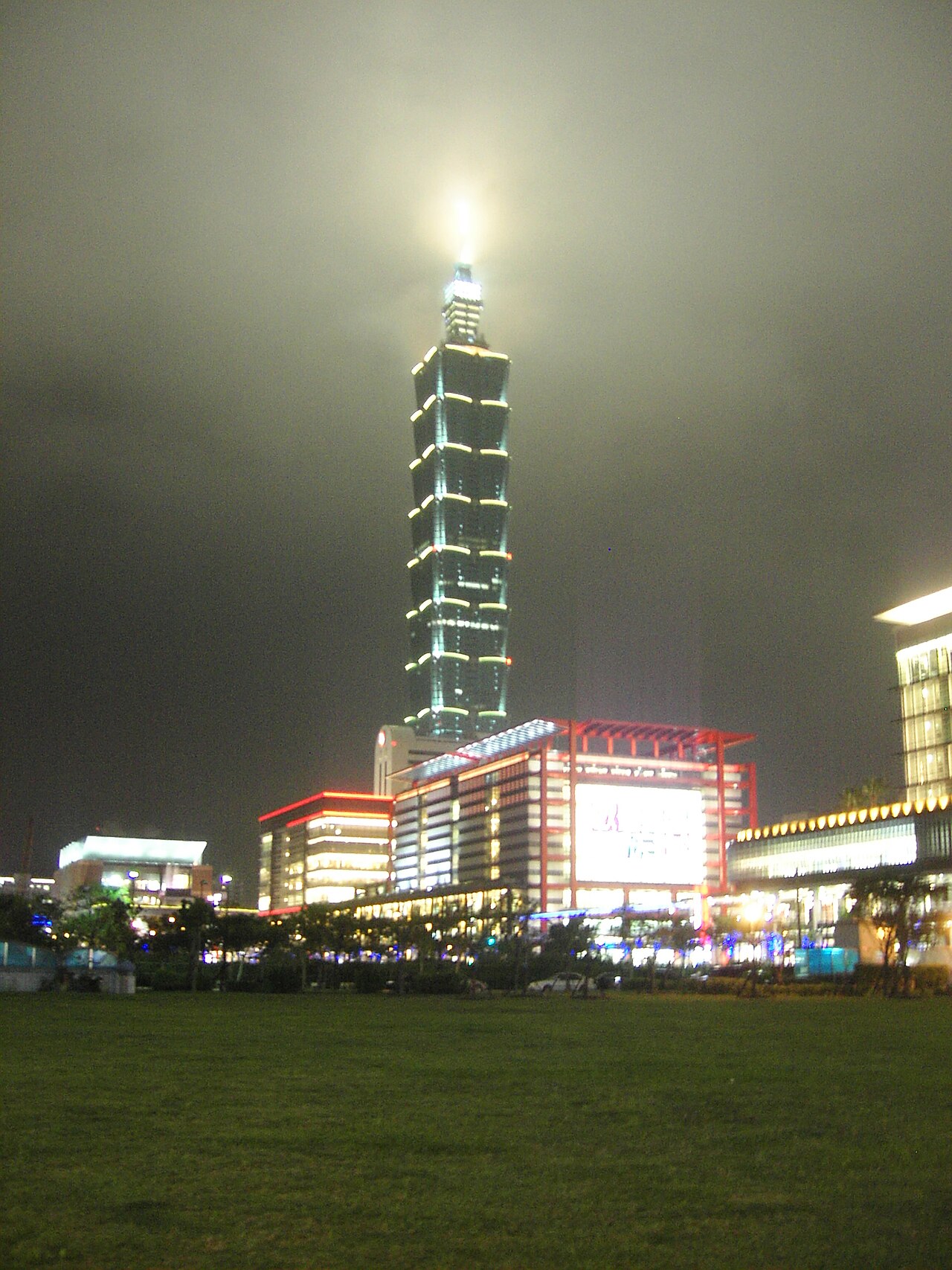
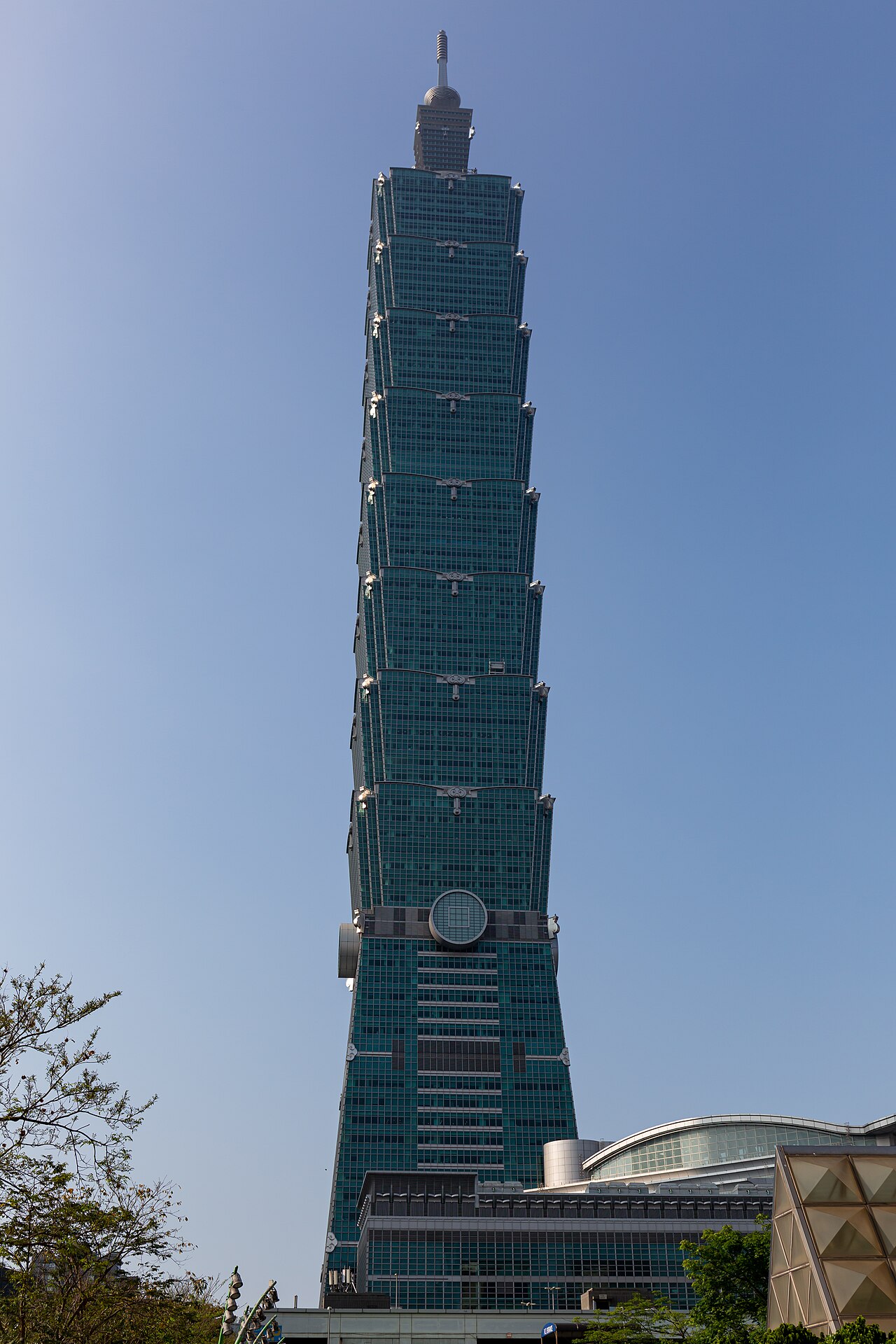
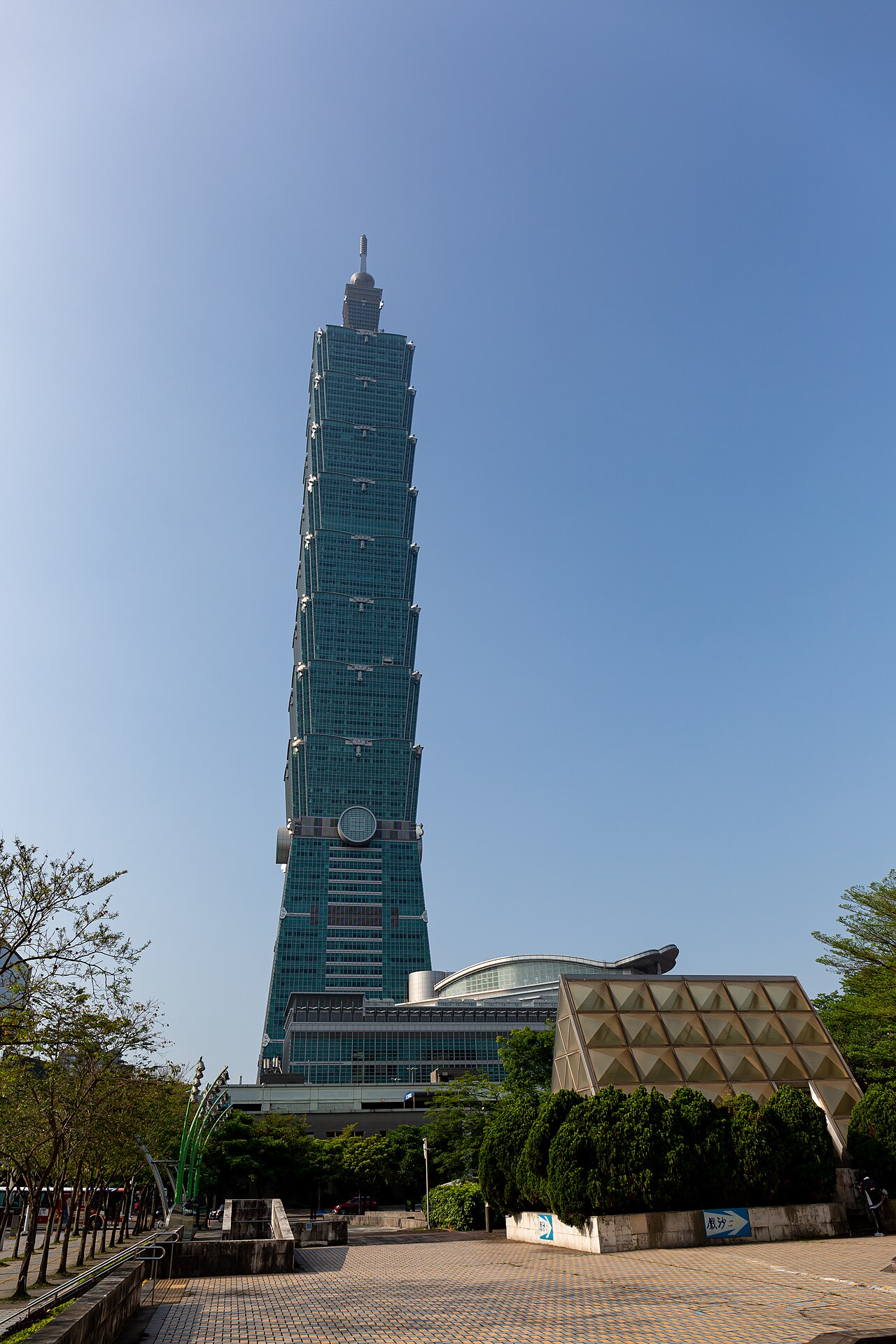
Taipei 101, originally called the Taipei World Financial Center, is a 508-meter, 101-story skyscraper in Taipei, Taiwan. The Taipei Financial Center Corporation owns it. When it opened on December 31, 2004, it became the world’s tallest building, a title it held until the Burj Khalifa overtook it in 2009. As of 2026, it is still the tallest building in Taiwan and ranks eleventh globally. Its design blends postmodernist and neo-futurist styles, using industrial materials to reflect traditional Asian aesthetics.
The building’s high-speed elevators, made by Japan’s Toshiba, were the fastest in the world when completed. They whisk passengers from the 5th to the 89th floor in 37 seconds, reaching 60.6 kilometers per hour (37.7 miles per hour). In 2011, Taipei 101 earned a Platinum LEED certification for energy efficiency and environmental design, making it the tallest and largest green building at the time. It frequently appears as a symbol of Taipei in international media, and its New Year’s Eve fireworks are a regular feature of global broadcasts.
The tower includes offices, restaurants, shops, and indoor and outdoor observatories. It is attached to a multilevel shopping mall, which features the world’s largest ruyi symbol on its exterior. The structure is built to withstand earthquakes from the Pacific Ring of Fire and the region’s tropical storms.
Planning began in July 1997 under Taipei Mayor Chen Shui-bian. Initial talks focused on a 66-story tower to anchor the new Xinyi business district, but an expat suggested a taller design with many of the building’s eventual features. The city granted a license for a 101-story tower in summer 2000, and the first column was erected in summer 2001. On March 31, 2002, a major earthquake caused two construction cranes to fall from the 56th floor, crushing vehicles and killing five workers. The building itself was not structurally damaged, and construction resumed after safety inspections. The roof was completed on July 1, 2003, and the tower finished in 2004. A joint venture led by Japan’s Kumagai Gumi, with South Korea’s Samsung C&T overseeing the main framework and RESE handling logistics and foundation, built it. Taipei Mayor Ma Ying-jeou fastened a golden bolt to mark the achievement. The formal opening on December 31, 2004, featured a ribbon-cutting by President Chen Shui-bian, Mayor Ma, and Legislative Speaker Wang Jin-pyng, along with concerts by singers A-Mei and Stefanie Sun. Visitors rode the elevators to the observatory for the first time, and a fireworks show later welcomed the new year. The tower replaced Malaysia’s Petronas Towers as the world’s tallest.
In November 2009, the Taipei Financial Center Corporation announced plans to make Taipei 101 the world’s tallest LEED-certified building by summer 2011. The structure was already energy-efficient, with double-pane windows blocking 50% of external heat and recycled water meeting 20–30% of its needs. LEED certification required inspections and upgrades to wiring, water, and lighting, costing NT$60 million (US$1.8 million), with savings expected to recoup the cost within three years. An international team—Siemens Building Technologies, Steven Leach Group, and EcoTech International—guided the project. The company applied for platinum certification in early 2011, and on July 28, 2011, Taipei 101 received it under “Existing Buildings: Operations and Maintenance.” The upgrades cost NT$60 million (US$2.08 million) but are projected to save 14.4 million kilowatt-hours of electricity annually, an 18% energy reduction worth NT$36 million (US$1.2 million) per year. In 2019, the Council on Tall Buildings and Urban Habitat named it among the world’s 50 most influential skyscrapers. On January 4, 2020, the building displayed a condolence message in lights for victims of a helicopter crash that killed several senior officials. On February 8, 2020, it was reported that some passengers from the Diamond Princess cruise liner, quarantined for a COVID-19 outbreak, had visited Taipei 101 on January 31, when none showed symptoms.
- height_m
- 508
- floors
- 101
- opened
- 31 December 2004
- elevator_speed_kmh
- 60.6
- elevator_5_to_89_seconds
- 37
- leed_certification
- Platinum (2011)
- tallest_in_taiwan
- True
- world_rank_2026
- 11
- former_worlds_tallest
- 2004-2009
Verified Timeline
Lore & Background
The tower's design incorporates features to withstand the Pacific Ring of Fire's earthquakes and the region's tropical storms. Its high-speed Toshiba elevators held the record for the fastest in the world at completion, transporting passengers from the 5th to the 89th floor in 37 seconds at 60.6 kilometers per hour. The building regularly appears as an icon of Taipei in international media, and its New Year's Eve fireworks displays are a regular feature of global broadcasts. In 2011, Taipei 101 was awarded a Platinum LEED certificate, becoming the tallest and largest green building in the world.
Reader's Guide
Visitors can ride the record-setting Toshiba elevators to the indoor and outdoor observatories on the upper floors. The tower houses offices, restaurants, and shops, and is adjoined by a multilevel shopping mall featuring the world's largest ruyi symbol as an exterior feature. The New Year's Eve fireworks display is best viewed from Taipei City Hall or the public square of Sun Yat-sen Memorial Hall. The building's design, by architect C.Y. Lee (noted in the source as part of the architectural team, though the specific architect is not named in the source provided), incorporates features to withstand earthquakes and tropical storms.
Did You Know?
- Taipei 101's high-speed Toshiba elevators held the world record for fastest elevator at completion, traveling from the 5th to the 89th floor in 37 seconds at 60.6 km/h.
- The building's design incorporates features to withstand earthquakes and tropical storms due to its location on the Pacific Ring of Fire.
- On 31 March 2002, a major earthquake sent two construction cranes falling from the 56th floor, causing five deaths, but the building itself was not structurally damaged.
- Taipei 101 received LEED Platinum certification in 2011, becoming the tallest and largest green building in the world at that time.
- Austrian BASE jumper Felix Baumgartner survived an unauthorized parachute jump from the 91st floor on 12 December 2007.
From Blueprint to Skyline: The Construction Saga
Planning for Taipei 101 began in July 1997 during Chen Shui-bian's term as Taipei mayor. Talks initially centered on a 66-story tower, but an expat suggested the more ambitious 101-story design. A major earthquake on 31 March 2002 sent two construction cranes falling from the 56th floor, crushing vehicles and causing five deaths. The building itself was not structurally damaged. After a pause for safety inspections, work resumed in stages by late June. The build was a multinational effort led by Japan's Kumagai Gumi, with South Korea's Samsung C&T overseeing the main structural frame and RESE managing logistics and the foundation. The roof was completed on 1 July 2003, and the tower formally opened on 31 December 2004, with President Chen Shui-bian, Taipei Mayor Ma Ying-jeou, and Legislative Speaker Wang Jin-pyng cutting the ribbon.
Engineering Marvels and Green Pioneering
The high-speed Toshiba elevators carried passengers from the 5th to the 89th floor in just 37 seconds, reaching a top velocity of 60.6 kilometers per hour. The tower's commitment to sustainability extended beyond its record-breaking height. The building had already been designed with energy-conscious features, including double-pane windows that blocked half of external heat and a recycled-water system covering 20 to 30 percent of its needs. On 28 July 2011, Taipei 101 received LEED platinum certification under 'Existing Buildings: Operations and Maintenance.' The path to certification involved upgrades to wiring, water, and lighting systems at a cost of NT$60 million, guided by an international team including Siemens Building Technologies, the Steven Leach Group, and EcoTech International. The modifications were projected to save 14.4 million kilowatt-hours of electricity annually—an 18 percent reduction—translating into roughly NT$36 million in yearly energy-cost savings.
A Tower Rooted in Tradition, Built for Tomorrow
Inside, the tower serves as a vertical city: it houses offices, restaurants, retail shops, and both indoor and outdoor observatories that draw visitors to its upper levels. Adjacent to the main tower stands a multilevel shopping mall whose exterior features the world's largest ruyi symbol, a traditional Chinese motif associated with good fortune. The result is a structure that functions as both a commercial hub and a cultural statement, anchoring the skyline of one of Asia's most dynamic cities.
Global Icon and Living Landmark
The tower has become a recognizable symbol of Taipei in international media, and its spectacular New Year's Eve fireworks displays are a staple of broadcasts around the world. During the early days of the COVID-19 pandemic, the adjacent shopping center began checking shoppers' temperatures in February, trimmed business hours in April, and resumed normal operations in June as Taiwan brought the outbreak under control. The tower regularly hosts art exhibits, special events, and celebrity appearances, reinforcing its role as a living cultural venue rather than merely a static monument. Notable events include Alain Robert's authorized climb on 25 December 2004, Bill Clinton's visit on 28 February 2005, and Felix Baumgartner's unauthorized parachute jump on 12 December 2007.
Gallery
Frequently Asked Questions
Where is Taipei 101 located?
The skyscraper rises in the Xinyi District of Taipei, the capital city of Taiwan. Its spot in the city's financial and commercial core made it a natural anchor for the surrounding skyline.
Why is Taipei 101 important?
Beyond its height record, the building became a cultural icon for Taiwan and a visible symbol of the island's economic ambition in the early 2000s. Its segmented, bamboo-joint-inspired design also set it apart aesthetically from other supertall towers of that era.
More in Architectural Landmarks 1-24
Spotted an error? Know more?
This is a living reference — every entry is fact-audited, and reader corrections feed straight into our audit queue. Suggest an edit · See this site's audit record