Aiming stone
Ottoman stone stelae marking archery and shooting records.
Last updated

ArchaiOptix · CC BY-SA 4.0
An aiming stone, also known as a target stone or range stone, is a carved stone stele from the Ottoman period that commemorates a shooting record, initially in archery and later with rifles or other weapons. If a sultan or other high official set the record, the stele often features artistic and literary value, including poetic inscriptions in Ottoman Turkish praising the archer’s skill. At the end of the Ottoman Empire, about three hundred of these stelae stood in Istanbul, but only around forty remain today.
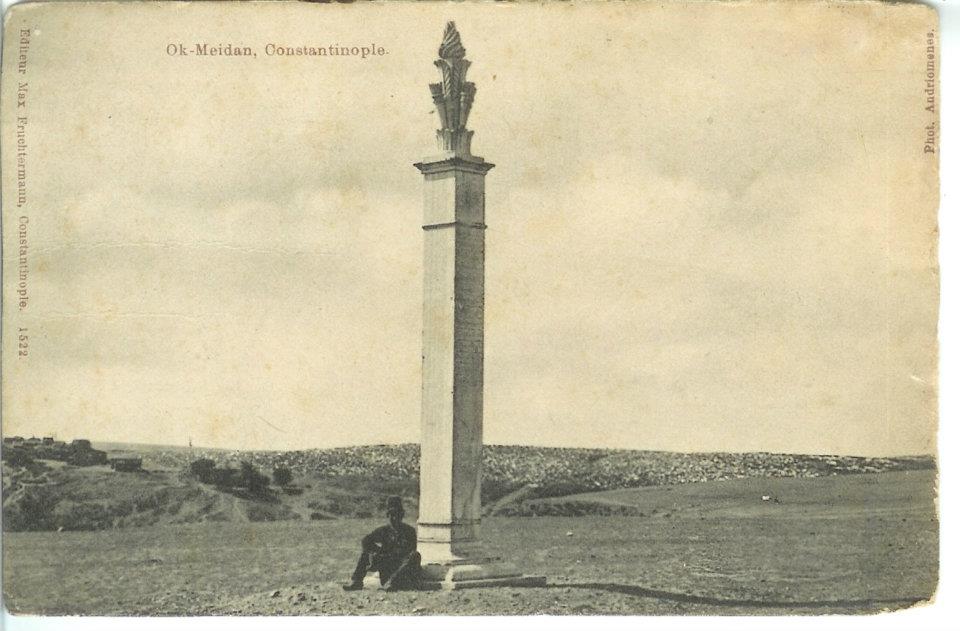
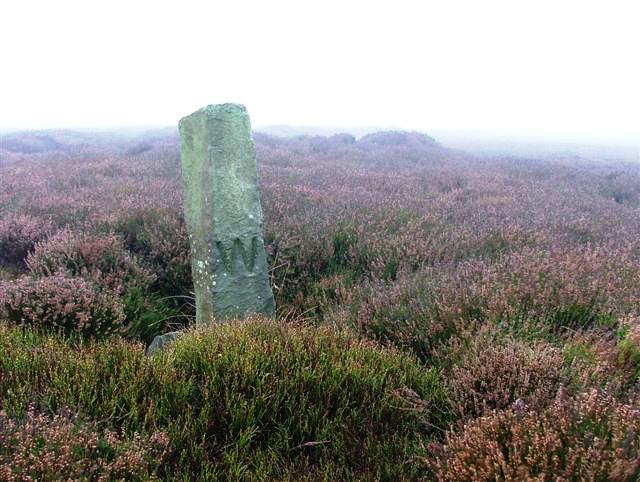
Aiming stones were shaped as stelae or columns. The side facing the shot was engraved with the archer’s name and occupation, the distance achieved, and the date. For records set by a sultan or vizier, the stone could become a substantial monument. The Istanbul neighborhood Nişantaşı takes its name from the many aiming stones once found there.
The nişan taşı in archery
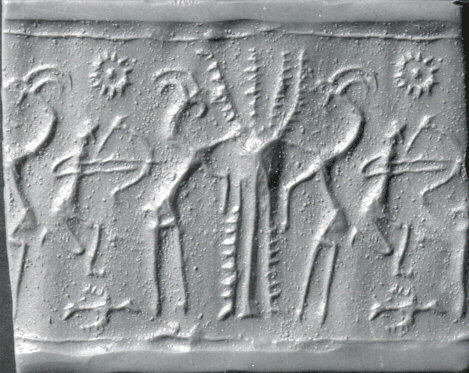
In Ottoman archery, the sport had two main branches: field shooting and distance shooting, the latter focusing on shooting an arrow as far as possible. Shooting ranges were managed by a foundation.
The earliest ranges likely appeared in the early 15th century in Bursa and Edirne. In Istanbul, Sultan Mehmet II established the Okmeydanı (“arrow field”) in a European district, which also housed the tekke of shooters, organized according to the teachings of Ahi Evran. The sport grew in popularity, especially among the military, during the reigns of Bayezid II and Suleiman the Magnificent.
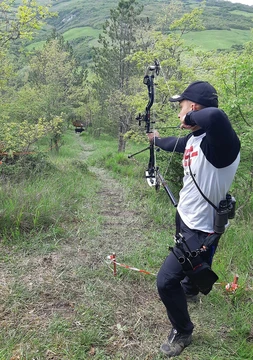
To participate, an aspiring archer first became an apprentice to a master archer and was assigned a “brother” to teach him proper conduct. Training began with a ceremony called the “little grip,” and the goal was to shoot pişrev arrows 900 gez (547 meters) and azmayiş arrows 800 gez (486 meters).
If successful in front of four witnesses, the apprentice’s name was entered in the register of the Okçular Tekkesi. After an acceptance ceremony known as the “great grip,” he became a registered archer. The ultimate aim was to set a distance record, which would be marked with an aiming stone.
Shots were taken in the direction of the prevailing wind and named after it. The lodge administration decided whether shooting in a given direction was allowed, considering factors like an existing old aiming stone in that direction, proximity to the range’s boundaries, or potential confusion with other records.
Quick Facts
- Extant today
- about 40
- Earliest shooting ranges
- early 15th century
Facts from the source article.
Lore & Background
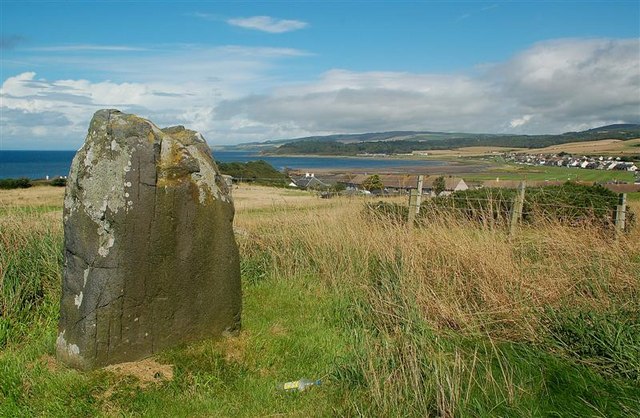
Aiming stones were carved in the form of a stele or column, bearing engraved on the part facing the shot the identity and occupation of the archer, the distance, and the date of the shot. If a high dignitary, a vizier, or the sultan himself was the author of the record, the nişan taşı assumed the appearance of a veritable monument, often bearing engraved poetic compositions in Ottoman Turkish praising the archer's skills. One of Istanbul's most important neighborhoods, Nişantaşı, took its name from the numerous shooting stones in the area.
Archery was subdivided into field shooting and distance shooting, the latter aiming to shoot an arrow as far as possible. This activity was practiced in specially designated shooting ranges administered by a foundation.
The first shooting ranges arguably date back to the early 15th century and were located in Bursa and Edirne. In Istanbul, the shooting range was established by Mehmet II at Okmeydanı ('arrow field'), where the tekke of shooters also settled, organised according to the precepts of Ahi Evran. After the founding of this range, the sport's popularity increased, especially during the reigns of Bayezid II and Suleiman the Magnificent.
Those who wished to try their hand had to become the apprentice of a master archer and were assigned a 'brother' to learn good manners. Training began with a ceremony called the 'little grip' and aimed to teach shooting pişrev arrows at 900 gez and azmayiş arrows at 800 gez. If done before four witnesses, the apprentice's name entered the register of the Okçular Tekkesi, and after the 'great grip' ceremony he became a registered archer. The ultimate goal was to set a distance record, which would be remembered with an aiming stone.
Reader's Guide
The aiming stone served as a permanent marker of achievement in Ottoman archery and later shooting sports. The process of setting a record was highly regulated: shots were taken in the direction of the prevailing wind, and the lodge administration decided whether shooting in that direction could be permitted. The presence of an old nişan taşı in the same direction, proximity to boundaries, or possible confusion with other records could prohibit an attempt. Once permission was obtained, the archer gathered a low pile of stones (the 'foot stone') at the shooting spot, first had to shoot beyond minimum distances, then a basic stone was erected at the landing point of one arrow to set the direction.
For validation, four people were required: two witnesses at the foot stone and two observers at the basic stone. The landing spot had to be no more than 30 gez from the line joining the two stones. If all conditions were met and the distance set a record for that direction, a pile of stones was erected at the drop site, replaced within six months by a new nişan taşı.
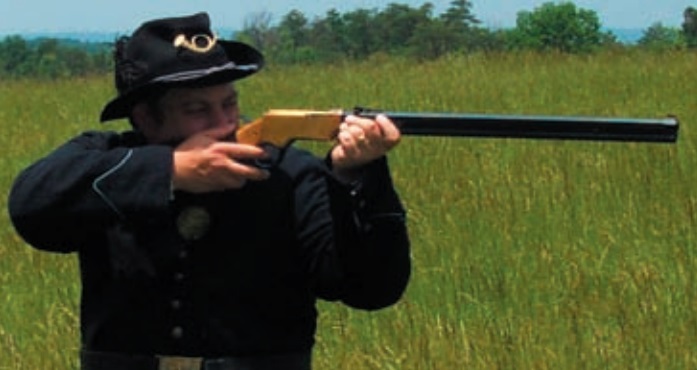
Over time, rifle shooting competitions joined archery, using chicken eggs, ostrich eggs, and jars filled with water as targets. Nişan taşı were also erected for rifle records.
Shooting ranges were in rural or unpopulated places such as Gülhane, Ihlamur, Yıldız, Levent, Ayasağa (Maslak), Kağıthane, Çamlıca, Göksu, and Acibadem. One nişan taşı survives for cannon firing (at Kağıthane), and two for club throwing (at Cephane Square and Topkapı). The stones thus document the evolution of Ottoman marksmanship across multiple weapon types.
Did You Know?
- Sultan Mahmud II's aiming stone in Beşiktaş, named dilikitaş ('obelisk'), commemorates his shooting an ostrich egg with a gun from 1,115 gez (735.9 m).
- One aiming stone in Kağıthane commemorates Mahmud II shooting a jug full of water with a cannon at 718 gez (436.11 m).
More in Archery Gear and Events
Sources
Compiled from Wikipedia and the sources listed below. Text from Wikipedia is available under CC BY-SA 4.0; this entry is adapted from it.
- Wikipedia: Aiming stone (CC BY-SA 4.0).
Spotted an error? Know more?
Reader corrections go straight into our review queue. Suggest an edit · How this site is sourced