
Neolithic
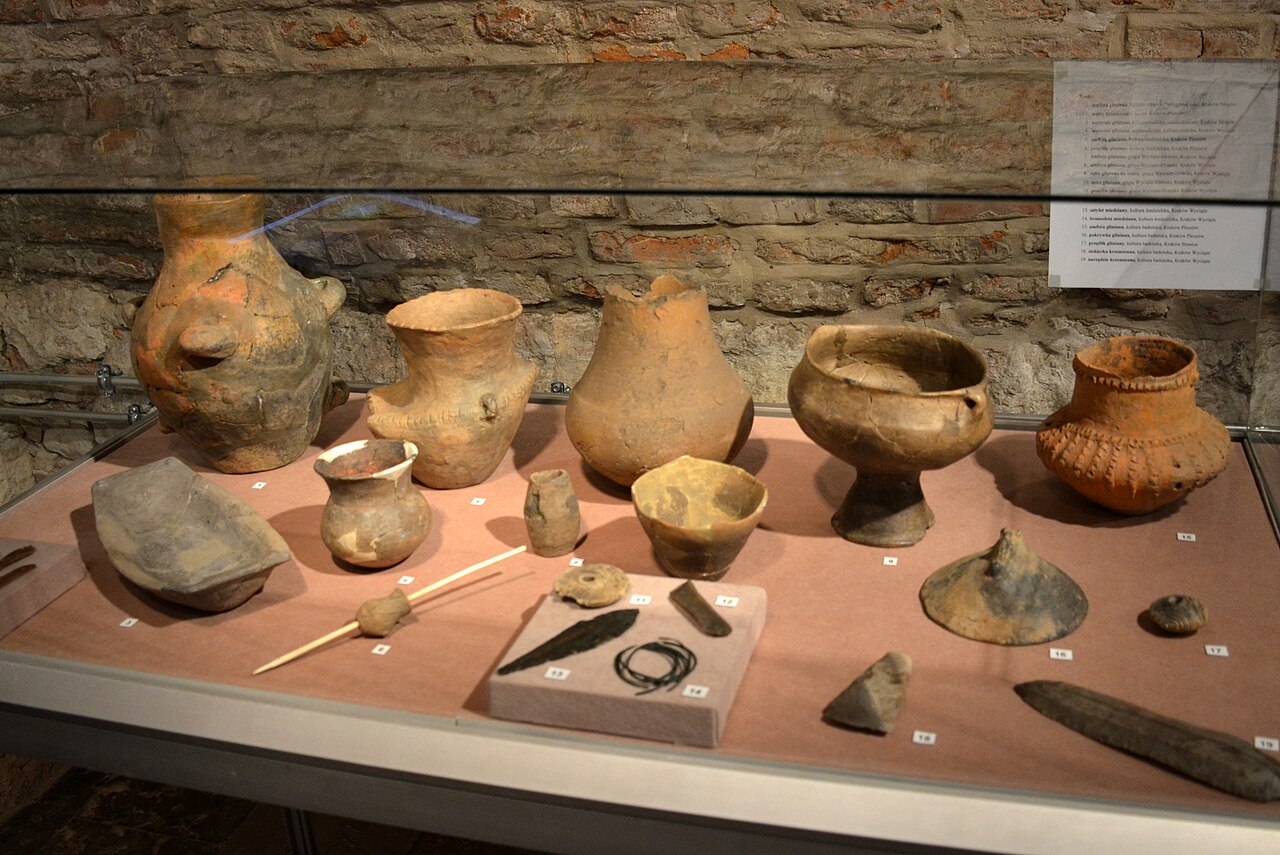
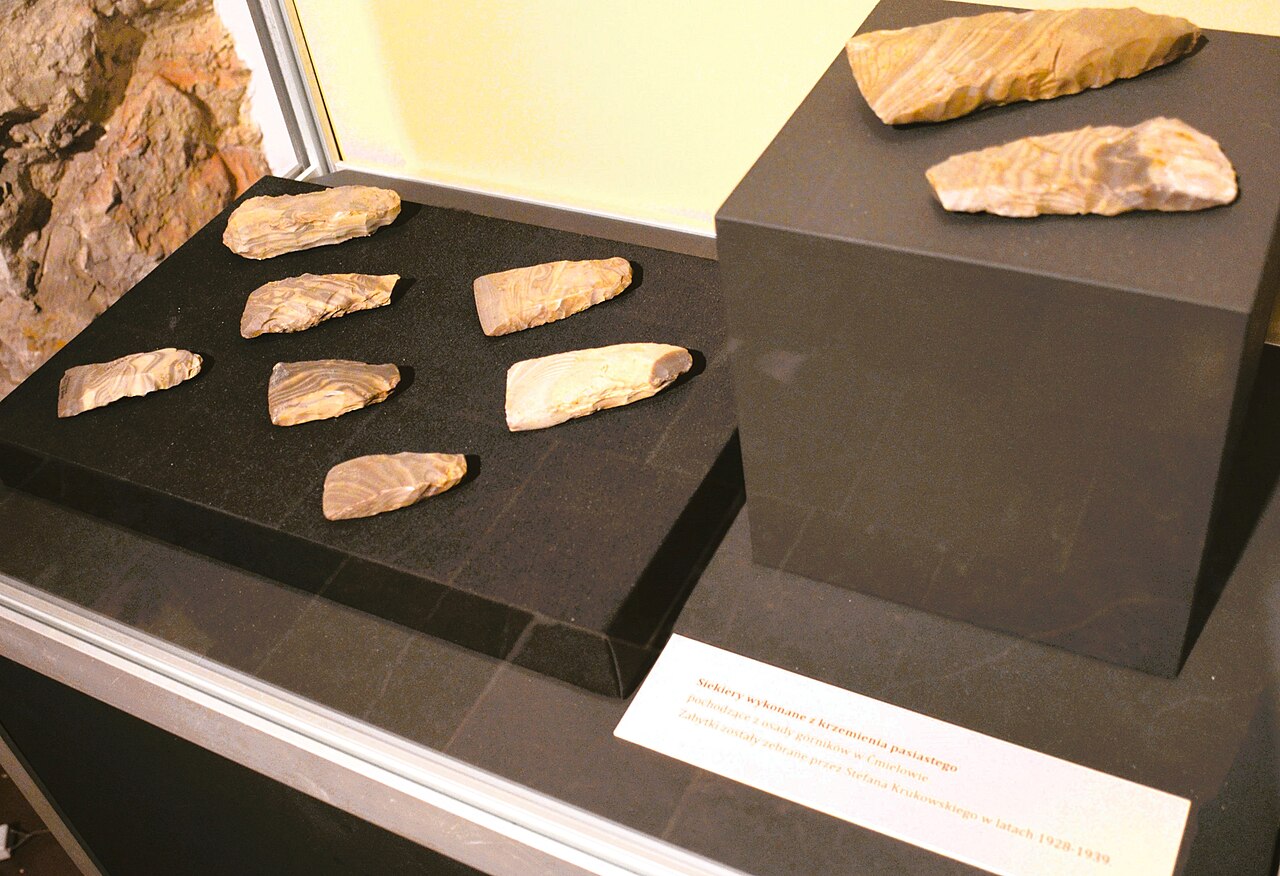
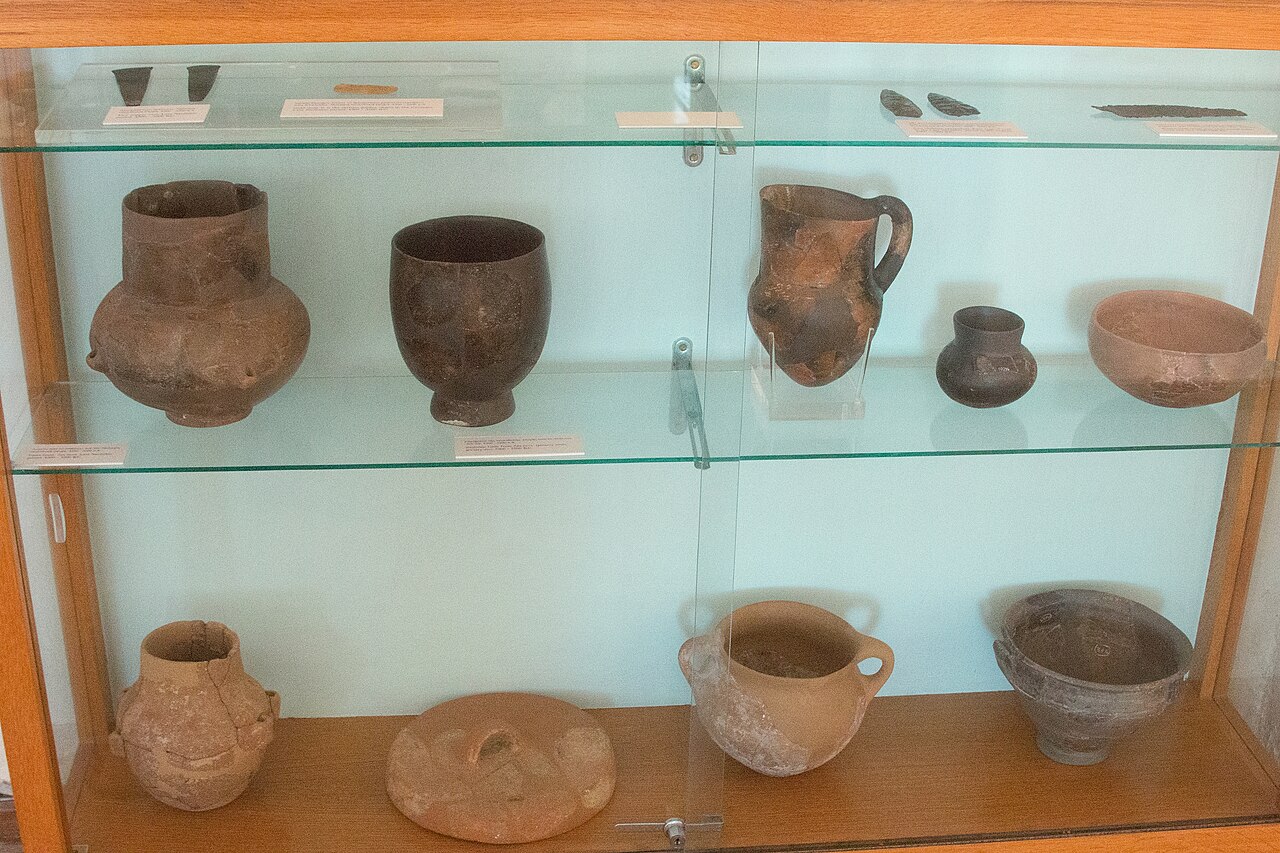
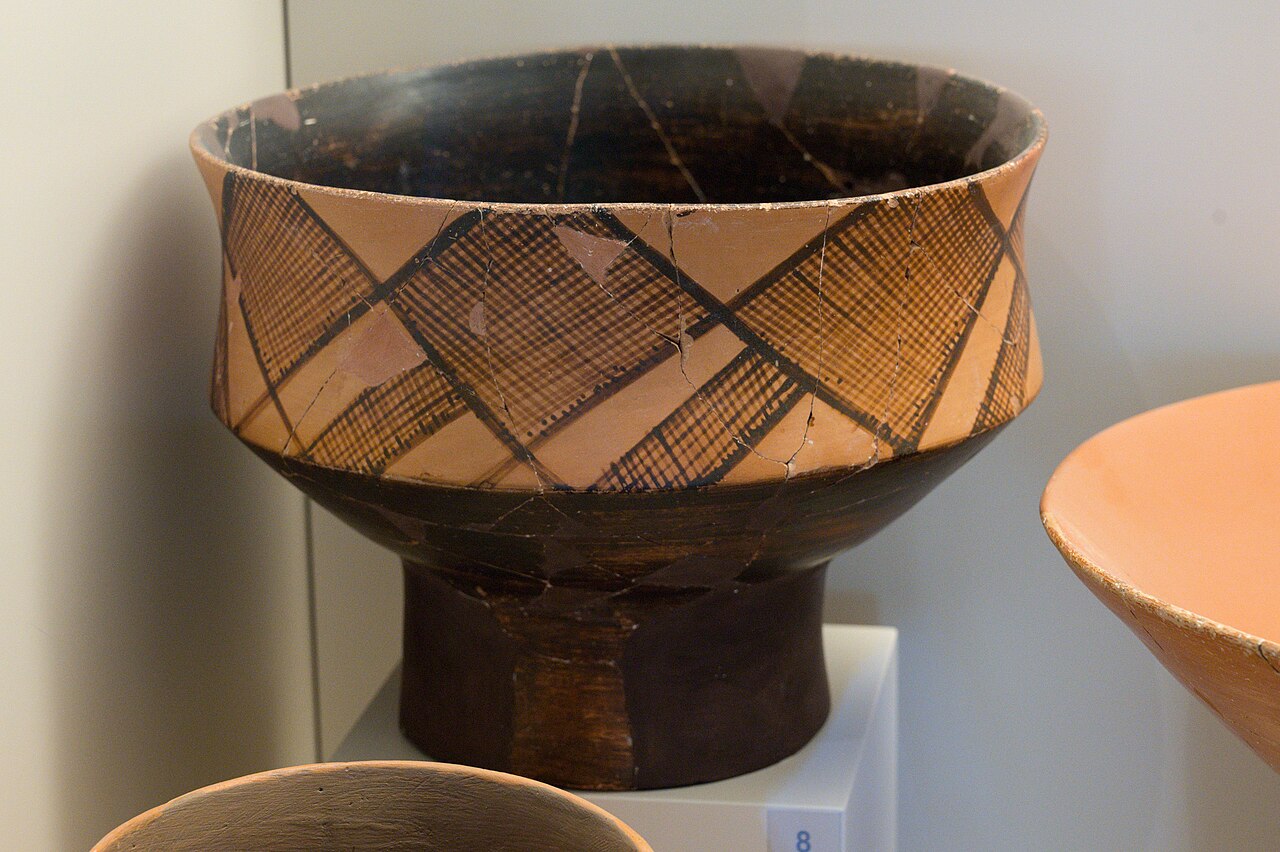
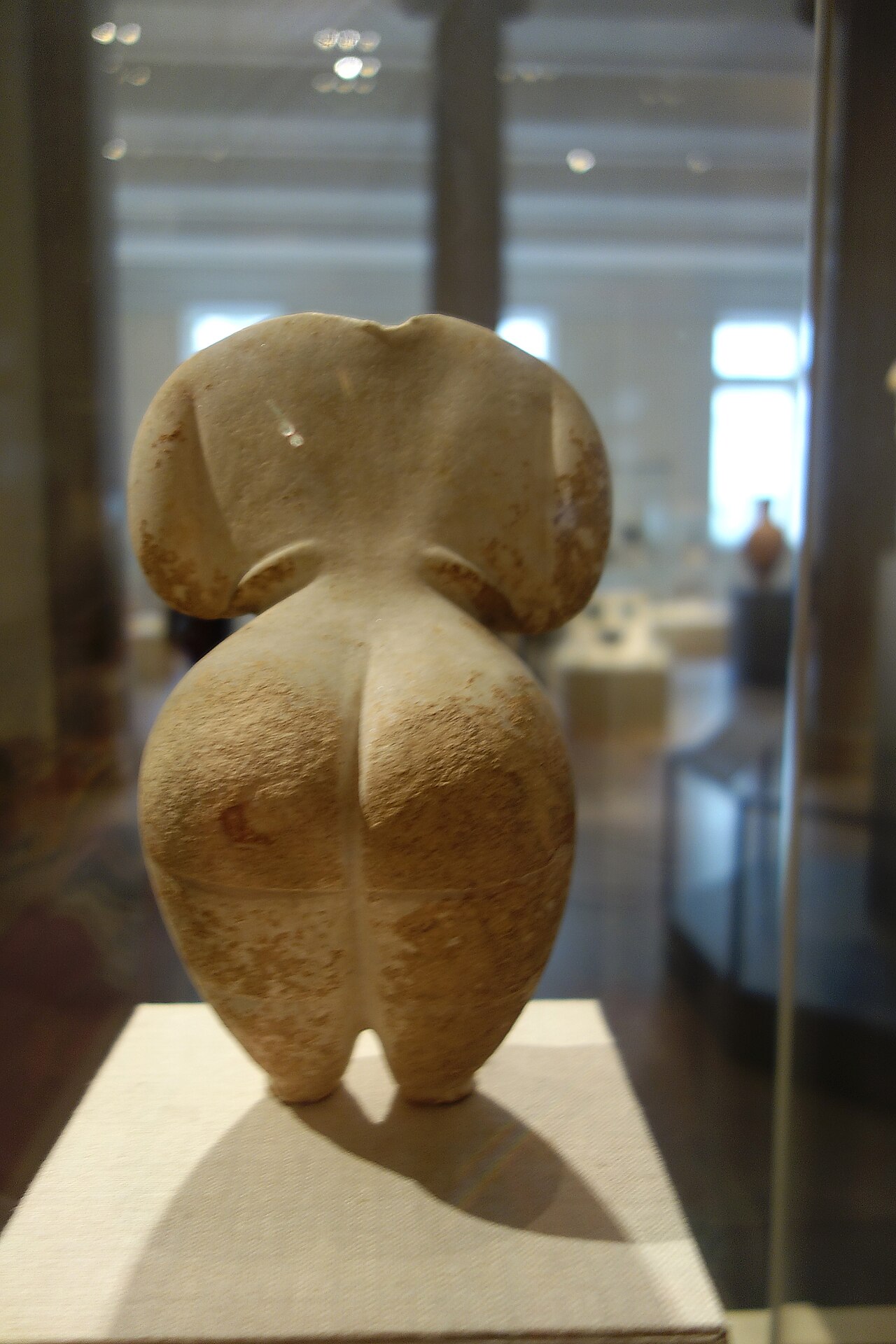
The Neolithic period introduced farming and permanent settlements.

Zde · CC BY-SA 4.0
The Neolithic, meaning "New Stone Age" from Greek words for "new" and "stone," is the final phase of the Stone Age in Asia, Europe, and Africa, roughly spanning 10,000 BC to 2,000 BC. This period is defined by the Neolithic Revolution—a series of major changes that emerged independently in multiple regions. The core developments, often called the "Neolithic package," included the start of farming, the domestication of animals, and a shift from wandering hunter-gatherer life to permanent settlements. The term was introduced in 1865 by John Lubbock, refining the earlier three-age system.
The Neolithic began around 12,000 years ago, when farming first appeared in the Epipalaeolithic cultures of West Asia and Mesopotamia, and later spread to other parts of the world. In West Asia, it lasted until the Chalcolithic (Copper Age) began about 6,500 years ago (4500 BC), marked by the rise of metallurgy and leading into the Bronze and Iron Ages. Elsewhere, the Neolithic followed the Mesolithic (Middle Stone Age) and persisted longer. In ancient Egypt, it continued until the Protodynastic period, around 3150 BC. In China, it lasted until about 2000 BC with the emergence of the pre-Shang Erlitou culture, and similarly in Scandinavia.
According to the ASPRO chronology, the Neolithic started around 10,200 BC in the Levant, growing out of the Natufian culture. The Natufians, who lived from 12,500 to 9500 BC, had already begun relying on wild cereals and living a settled lifestyle. This "proto-Neolithic" period overlaps with the Pre-Pottery Neolithic A (PPNA), which lasted from 10,200 to 8800 BC. Climatic shifts during the Younger Dryas (around 10,000 BC) likely pushed these people to develop full farming. The founder crops of the Fertile Crescent included wheat, lentil, pea, chickpea, bitter vetch, and flax. Other major crops like rice and millet were domesticated elsewhere, usually in a single location where wild ancestors still exist.
Early Neolithic farming focused on a narrow set of plants, both wild and domesticated, such as einkorn wheat, millet, and spelt, along with keeping dogs. By about 8000 BC, domesticated sheep, goats, cattle, and pigs appeared. Not all Neolithic traits appeared in the same order everywhere—for instance, the earliest farming societies in West Asia did not use pottery. In Africa, South Asia, and Southeast Asia, independent domestication events created distinct regional Neolithic cultures, completely separate from those in Europe and Southwest Asia. Early Japanese and other East Asian societies used pottery before they began agriculture.
In the Middle East, Neolithic cultures emerged in the 10th millennium BC, first in the Levant (with PPNA and PPNB phases) and then spreading east and west. By around 8000 BC, Neolithic sites appeared in southeastern Anatolia, northern Mesopotamia, and the Sinai Peninsula, as Pre-Pottery Neolithic traditions expanded southward along the Levantine corridor. Anatolian Neolithic farmers largely descended from local Anatolian hunter-gatherers, suggesting that agriculture was adopted by these groups rather than brought by large-scale migration.
The PPNA period began around 10,000 BC in the Levant. A temple complex at Göbekli Tepe in southeastern Turkey, dated to about 9500 BC, may mark the start of this era. Built by nomadic hunter-gatherer tribes (with no permanent housing nearby), it is possibly the oldest known human-made place of worship. At least seven stone circles covering 25 acres contain limestone pillars carved with animals, insects, and birds. Hundreds of people likely used stone tools to create the pillars, which may have supported roofs. Other early PPNA sites from around 9500–9000 BC have been found in Palestine (Tell es-Sultan, or ancient Jericho, and Gilgal in the Jordan Valley), Israel (Ain Mallaha, Nahal Oren, Kfar HaHoresh), Byblos in Lebanon, and Sinai (including Abu Madi).
The key advance of Neolithic 1 was true farming. In the proto-Neolithic Natufian cultures, wild cereals were harvested, and early seed selection and re-seeding may have occurred. Grain was ground into flour. Emmer wheat was domesticated, and animals were herded and selectively bred. In 2006, remains of figs from a house in Jericho dated to 9400 BC were discovered. These figs were a mutant variety that cannot be pollinated by insects, so the trees could only reproduce from cuttings. This suggests figs were the first cultivated crop, marking the invention of farming technology centuries before grains were grown. Settlements became more permanent, with circular, single-room houses made of mudbrick—similar to Natufian homes but now built with this new material. Some settlements, like Jericho, had surrounding stone walls and possibly a stone tower, used for protection from other groups, flood control, or penning animals. Some enclosures also stored grain and meat.
The Pre-Pottery Neolithic B (PPNB) began around 8800 BC in the Levant, according to the ASPRO chronology.
- Key region
- West Asia, Mesopotamia, Levant
- Known for
- Neolithic Revolution, farming, domestication, settlement
- Preceded by
- Mesolithic (Middle Stone Age) in some regions
- Followed by
- Chalcolithic (Copper Age) in West Asia
Verified Timeline
Lore & Background
The founder crops of the Fertile Crescent were wheat, lentil, pea, chickpea, bitter vetch, and flax. Among the other major crops to be domesticated were rice and millet. By about 8000 BC, domesticated sheep and goats, cattle and pigs were included. The earliest farming societies in West Asia did not use pottery. In other parts of the world, such as Africa, South Asia and Southeast Asia, independent domestication events led to their own regionally distinctive Neolithic cultures, which arose completely independently of those in Europe and Southwest Asia. Early Japanese societies and other East Asian cultures used pottery before developing agriculture.
Reader's Guide
The Neolithic period marks a fundamental transformation in human history, known as the Neolithic Revolution, which independently arose in several parts of the world. Its legacy includes the domestication of plants and animals, permanent settlements, and the foundation for later civilizations.
Did You Know?
- The term 'Neolithic' was coined by John Lubbock in 1865 as a refinement of the three-age system.
- The founder crops of the Fertile Crescent were wheat, lentil, pea, chickpea, bitter vetch, and flax.
- In 2006, remains of figs dated to 9400 BC were discovered in Jericho, suggesting figs were the first cultivated crop, centuries before grains.
- The Natufian period or 'proto-Neolithic' lasted from 12,500 to 9,500 BC and overlapped with the Pre-Pottery Neolithic A (PPNA) of 10,200–8800 BC.
- Early Japanese societies and other East Asian cultures used pottery before developing agriculture.
From Nomads to Settlers: The Neolithic Transformation
The Neolithic began about 12,000 years ago, when farming appeared in the Epipalaeolithic West Asia and Mesopotamia, and later in other parts of the world. Following the ASPRO chronology, the Neolithic started in around 10,200 BC in the Levant, arising from the Natufian culture, when pioneering use of wild cereals evolved into early farming. The Natufian period or "proto-Neolithic" lasted from 12,500 to 9,500 BC, and is taken to overlap with the Pre-Pottery Neolithic A (PPNA) of 10,200–8800 BC. As the Natufians had become dependent on wild cereals in their diet, and a sedentary way of life had begun among them, the climatic changes associated with the Younger Dryas (about 10,000 BC) are thought to have forced people to develop farming. The major advance of Neolithic 1 was true farming. In the proto-Neolithic Natufian cultures, wild cereals were harvested, and perhaps early seed selection and re-seeding occurred. Emmer wheat was domesticated, and animals were herded and domesticated. In 2006, remains of figs were discovered in a house in Jericho dated to 9400 BC. The figs are of a mutant variety that cannot be pollinated by insects, and therefore the trees can only reproduce from cuttings. This evidence suggests that figs were the first cultivated crop and mark the invention of the technology of farming. This occurred centuries before the first cultivation of grains.
Six Independent Origins: Rethinking Where Civilization Began
Not all of these cultural elements characteristic of the Neolithic appeared everywhere in the same order: the earliest farming societies in the West Asia did not use pottery. In other parts of the world, such as Africa, South Asia and Southeast Asia, independent domestication events led to their own regionally distinctive Neolithic cultures, which arose completely independently of those in Europe and Southwest Asia. Early Japanese societies and other East Asian cultures used pottery before developing agriculture. The source does not provide information about six independent origins of civilization or overturn a single-origin model; it states that the Neolithic Revolution appears to have arisen independently in several parts of the world, and that independent domestication events led to regionally distinctive Neolithic cultures in Africa, South Asia, and Southeast Asia.
The Architecture of Complexity: How Cities and Writing Emerged
Around 9000 BC during the PPNA, one of the world's first towns, Jericho, appeared in the Levant. It was surrounded by a stone wall, may have contained a population of up to 2,000–3,000 people, and contained a massive stone tower. A settlement of 3,000 inhabitants called 'Ain Ghazal was found in the outskirts of Amman, Jordan. Considered to be one of the largest prehistoric settlements in the Near East, it was continuously inhabited from approximately 7250 BC to approximately 5000 BC. The source does not discuss Uruk, Ur, Kish, Eridu, Susa, Memphis, Harappa, or the Chalcolithic period of the 4th millennium BC in relation to writing or proto-writing.
Exceptions That Challenge the Blueprint
The source does not provide information about Gordon Childe's two-revolution model, Egypt's Old Kingdom, Maya cities, Inca Quipus, or earthwork mounds in Louisiana. The source only states that the Neolithic saw the Neolithic Revolution, a wide-ranging set of developments that appear to have arisen independently in several parts of the world.
Gallery

Frequently Asked Questions
What is Neolithic?
Neolithic refers to the 'New Stone Age' era defined by the Neolithic Revolution — the transition from mobile hunter-gatherer bands to settled farming communities. It marks the first widespread adoption of crop cultivation and animal domestication in human history.
What made Neolithic different from the Mesolithic?
While the Mesolithic (Middle Stone Age) still relied heavily on foraging and seasonal movement, the Neolithic introduced permanent villages, systematic agriculture, and the taming of animals for food and labor. This shift fundamentally restructured how human groups organized their daily lives.
Where did the Neolithic Revolution take place?
The earliest and best-documented Neolithic developments occurred in West Asia, particularly the Levant and the broader Mesopotamian region. These are the areas where the first evidence of cultivated cereals and domesticated livestock appears in the archaeological record.
What period followed the Neolithic?
In West Asia, the Neolithic was succeeded by the Chalcolithic, also called the Copper Age, which saw the first use of smelted metal alongside stone tools. This transition marked another major technological leap in the region's development.
Why is the Neolithic period considered so important?
The Neolithic is widely regarded as the single most consequential turning point in human prehistory because it gave rise to food production, surplus, and permanent settlement. Without those foundational changes, later developments such as cities, writing, and complex states would not have been possible.
More in Ancient Civilizations 1-15
Spotted an error? Know more?
This is a living reference — every entry is fact-audited, and reader corrections feed straight into our audit queue. Suggest an edit · See this site's audit record