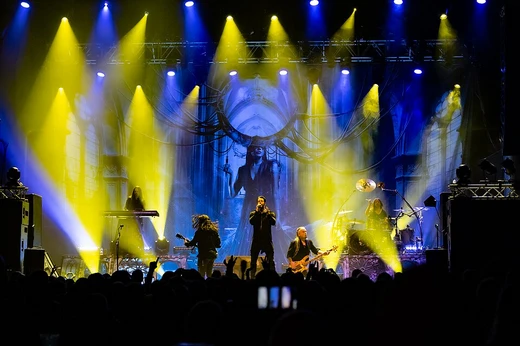
Saviour Machine
American Christian gothic metal band known for the Legend trilogy.
Saviour Machine is an American Christian gothic metal band formed in 1989 by brothers Eric and Jeff Clayton. Known for blending heavy guitar riffs with classical piano and orchestration, the band explored themes of war, death, prophecy, and divine revelation. Their theatrical stage shows and controversial imagery attracted both a devoted following and criticism from conservative circles.
Quick Facts
- Background
- group_or_band
- Label
- Intense Records, MCM Music, Massacre Records
- Origin
- Los Angeles, California, U.S.
- Genre
- Symphonic gothic metal · Christian metal · progressive metal
- Years Active
- 1989–2012, 2017–present
- Current Members
- Eric Clayton / Jeff Clayton / Charles Cooper / Nathan Van Hala
- Past Members
- Chris Fee / Dean Forsyth / Jayson Heart / Victor Deaton / Carl Johan Grimmark / Thomas Weinesjö / Samuel West
Facts from the source article.
Lore & Background
Saviour Machine was formed in mid-1989 by brothers Eric and Jeff Clayton. The band took its name from a David Bowie song. After releasing early demos in 1990, they built a Southern California fan base with theatrical performances featuring pyrotechnics and projected images. In 1993, with help from Deliverance frontman Jimmy P. Brown II, they signed to Intense Records and released their debut album. Controversy over Eric Clayton's white makeup and lyrical content led to a show being cut short in Minneapolis, though fans showed support afterward.
Following internal label issues, the band released Saviour Machine II in 1994, shifting toward a classical-influenced sound with pianist Nathan Van Hala. They formed their own label, MCM Music, and secured a deal with German label Massacre Records. European tours followed, and their first live album, Live in Deutschland, was recorded in 1995. After Jeff Clayton left, the band continued with new members and performed at Wacken Open Air in 1997.
The Legend trilogy, advertised as 'the unofficial soundtrack to the end of the world,' was released between 1997 and 2007, drawing heavily from the Book of Revelation. The final installment, Legend III:II, was delayed due to Eric Clayton's health problems and eventually released independently. The band went inactive after 2013, with Eric Clayton retiring the project in 2014. However, in 2017, the band announced plans for a new album not part of the Legend trilogy.
Reader's Guide
Saviour Machine's significance lies in their fusion of gothic metal with Christian theology, creating a niche that appealed to both metal fans and those interested in apocalyptic prophecy. Their Legend trilogy stands as an ambitious, multi-hour concept work exploring end-times themes, earning them a dedicated European following, particularly in Germany. The band's willingness to court controversy—through theatrical makeup and lyrical intensity—highlighted tensions within conservative Christian music scenes. Their independent label model and creative control set a precedent for artist-driven projects in the Christian metal subgenre. Though the Legend trilogy remains unfinished, the band's influence persists among fans of symphonic and progressive metal, and their 2017 reunion suggests ongoing relevance.
Did You Know?
- The band's name comes from a song on David Bowie's album The Man Who Sold the World.
- During a 1993 concert in Minneapolis, the power was cut and the band was ushered off stage due to management discomfort with the show's content.
- Saviour Machine performed at the Wacken Open Air festival in 1997.
More in American symphonic metal musical groups 1-22
Spotted an error? Know more?
Reader corrections go straight into our review queue. Suggest an edit · How this site is sourced