
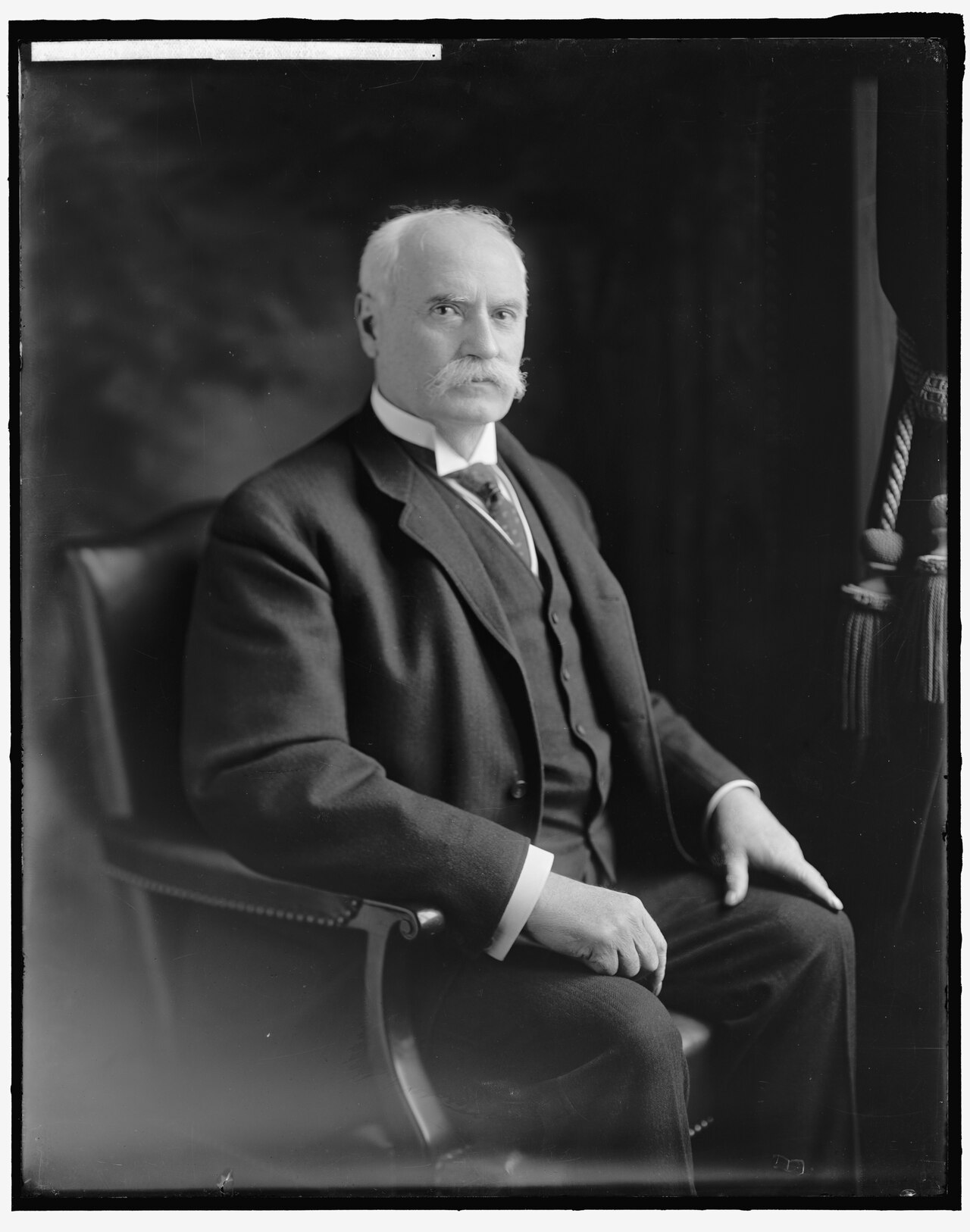
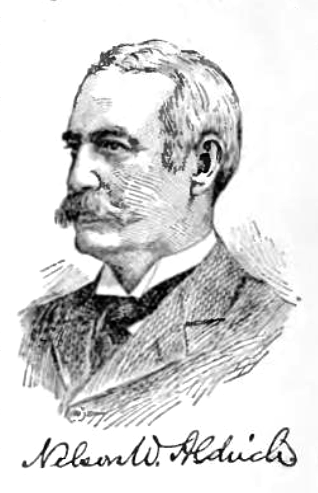
Nelson W. Aldrich
Republican senator who shaped U.S. tariff and monetary policy.

via Wikipedia: Nelson W. Aldrich · see source
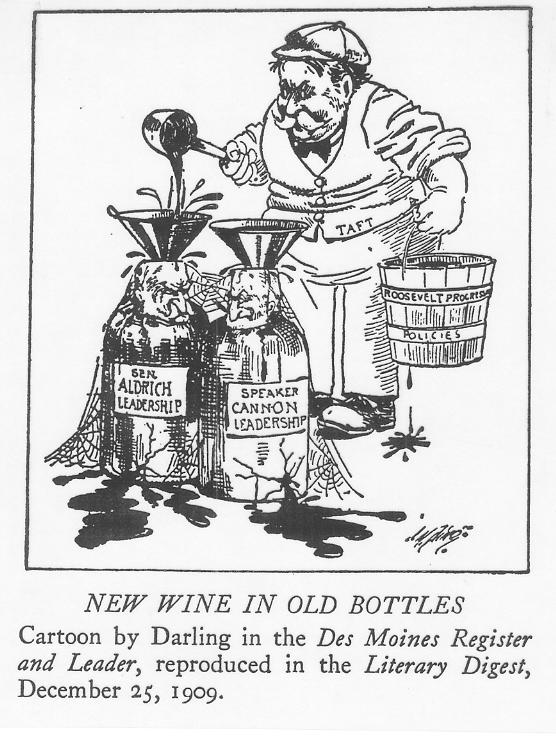
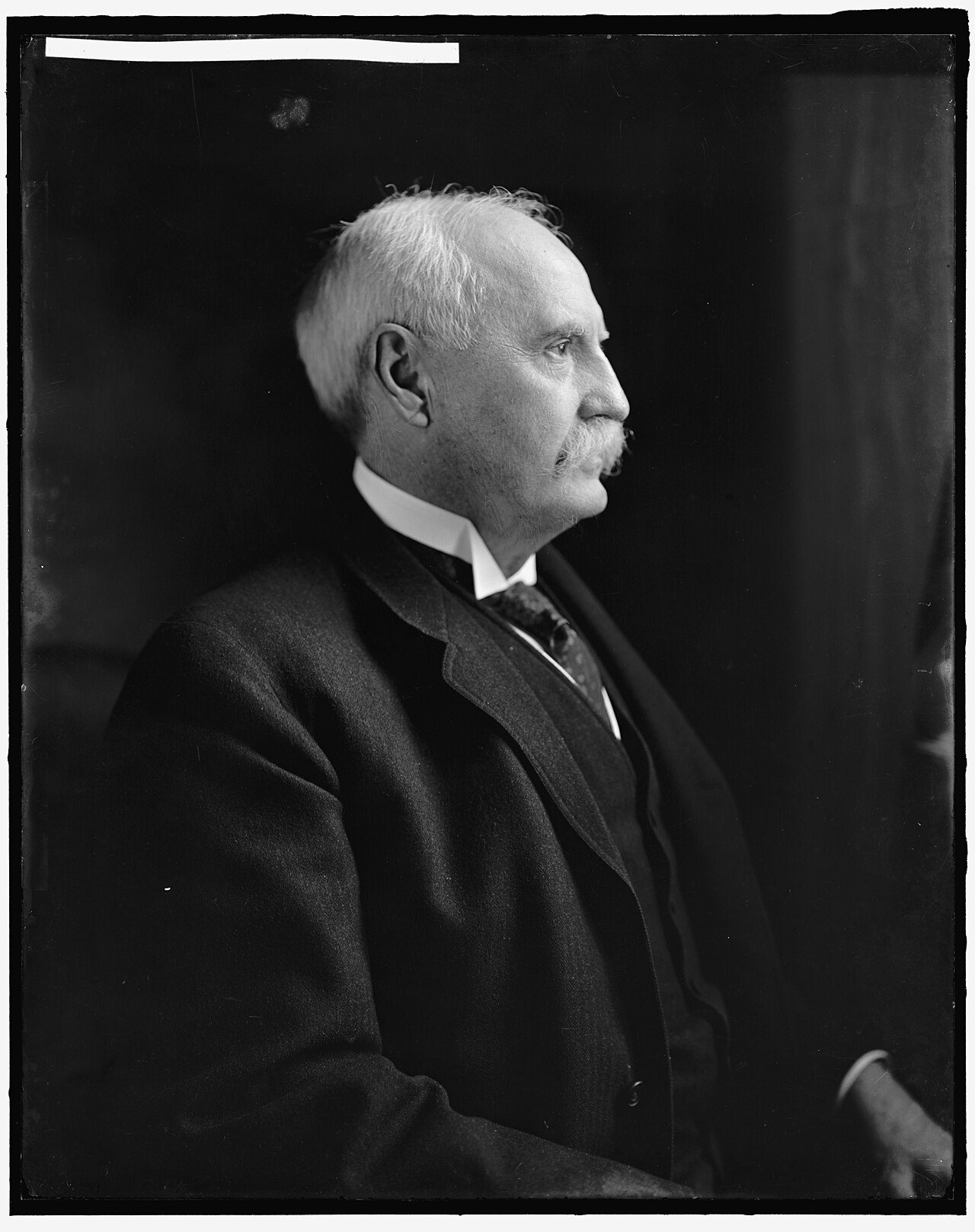
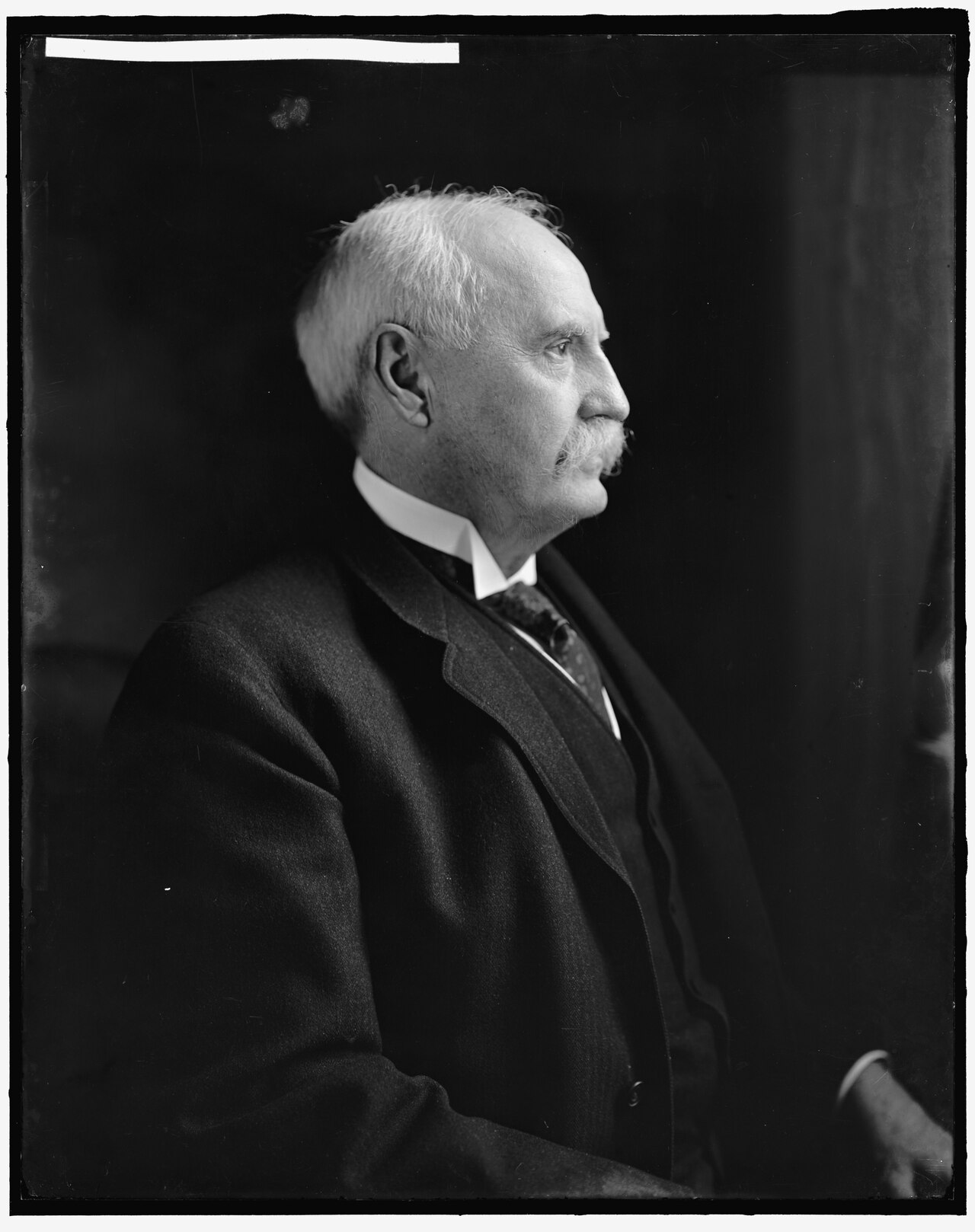
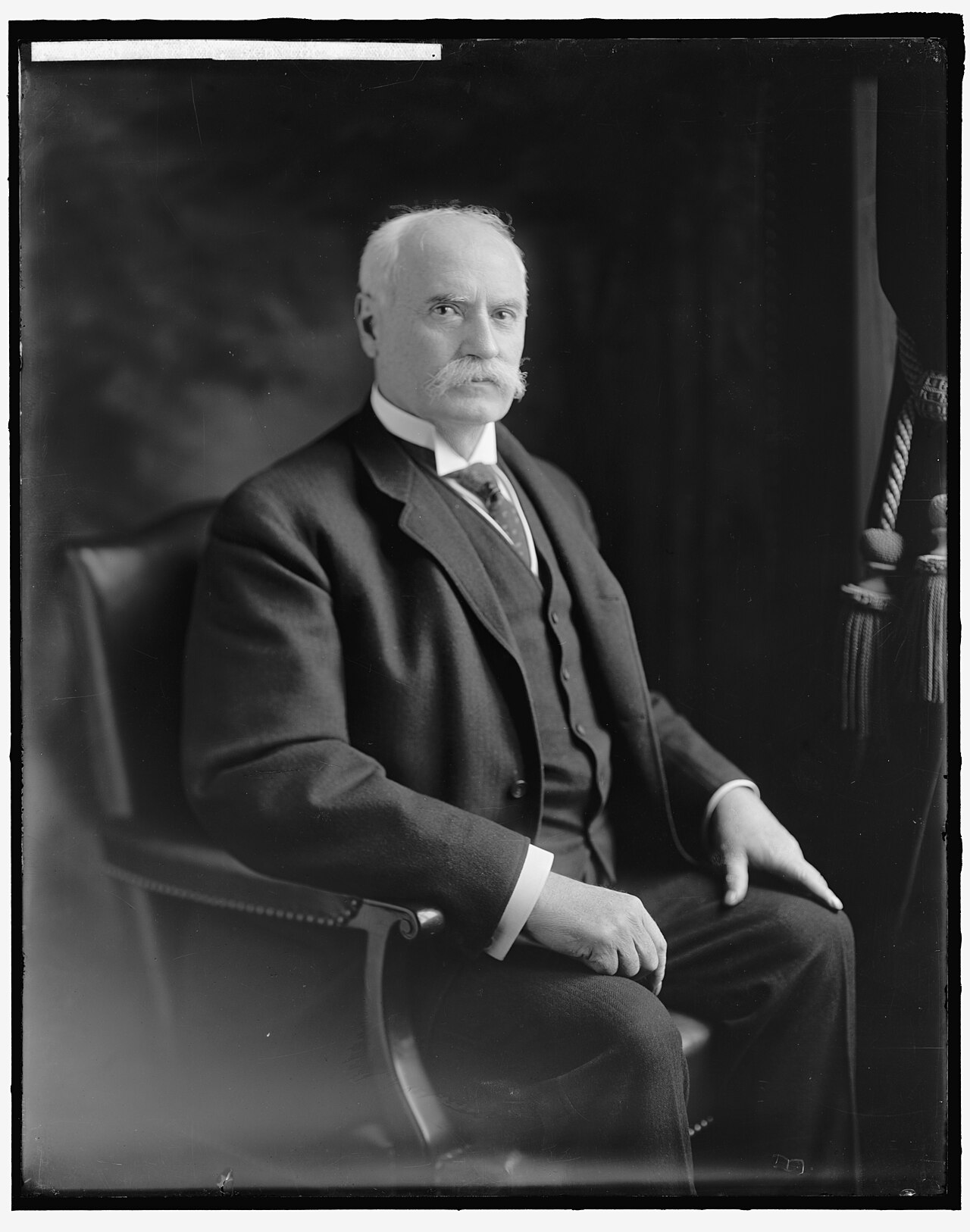
Nelson Wilmarth Aldrich (November 6, 1841 – April 16, 1915) was a Rhode Island Republican who dominated the U.S. Senate for three decades, from 1881 to 1911. By the 1890s, he was part of the Senate’s “Big Four”—alongside Orville H. Platt, William B. Allison, and John Coit Spooner—and his chairmanship of the Senate Finance Committee earned him the nickname “general manager of the Nation.” He shaped tariff and monetary policy in the early 1900s. Born on a farm in Foster, Rhode Island, Aldrich served briefly in the Union Army during the Civil War, then rose from clerk to partner in a wholesale grocery firm. He entered politics in the Rhode Island House of Representatives, served one term in the U.S. House, and then won a Senate seat. In the Senate, he helped build a high-tariff system to protect American industry and agriculture, co-sponsoring the Payne–Aldrich Tariff Act, and pushed through approval of the 1898 Treaty of Paris ending the Spanish–American War. He led the Aldrich–Vreeland Act, creating the National Monetary Commission after the Panic of 1907, and chaired that commission, which produced the Aldrich Plan—a blueprint that heavily influenced the 1913 Federal Reserve Act. In 1910, he organized a secret meeting on Jekyll Island with financiers from J.P. Morgan and Paul Warburg to plan the central bank. He also sponsored the Sixteenth Amendment, enabling a federal income tax. Aldrich believed his policies promoted efficiency, but reformers saw him as a symbol of corporate power. His daughter Abigail married John D. Rockefeller Jr., and his descendants—including Nelson A. Rockefeller—became influential in politics and banking.
- born
- November 6, 1841, at Burgess Farm in Foster, Rhode Island
- died
- April 16, 1915
- field
- Politics, finance
- nationality
- American
- known_for
- Leadership in the U.S. Senate, Payne–Aldrich Tariff Act, Aldrich Plan, influence
Verified Timeline
Quick Facts
- Birth Name
- Nelson Wilmarth Aldrich
- Jr/Sr1
- United States Senator
- State1
- Rhode Island
- Term1
- October 5, 1881 – March 3, 1911
- Preceded1
- Ambrose Burnside
- District2
- 1st
- Term Start2
- March 4, 1879
- Term End2
- October 4, 1881
- Predecessor2
- Benjamin T. Eames
- Successor2
- Henry J. Spooner
- Office3
- Member of the Rhode Island House of Representatives
- Term3
- 1875–1876
Facts from the source article.
Lore & Background
After the Panic of 1907, Aldrich led the passage of the Aldrich–Vreeland Act in 1908, which established the National Monetary Commission, sponsored and headed by Aldrich. The commission issued a series of 30 reports and drew up the Aldrich Plan, forming the basis for the Federal Reserve system. In November 1910, Aldrich organized a secret meeting on Jekyll Island with leading members of the financial sector, including members of J.P. Morgan and Paul Warburg, to draft legislation for a central bank. Due to the unpopularity of a central bank, Aldrich recommended the members conceal their identities, advising the bankers to dress as duck hunters and address each other only by first name. The Federal Reserve Act of 1913, signed into law by Woodrow Wilson, was patterned after Aldrich's vision, creating the modern Federal Reserve System. The Jekyll Island meeting was not disclosed until 1930. Aldrich also sponsored the Sixteenth Amendment, which allowed for a direct federal income tax, though he had declared a similar measure "communistic" a decade earlier and was candid about using the amendment to block a House bill.
Reader's Guide
Nelson W. Aldrich was a central figure in American politics and finance during the late 19th and early 20th centuries. As a Republican senator from Rhode Island for 30 years from 1881 to 1911, he was part of the "Big Four" that controlled the Senate and used his chairmanship of the Finance Committee to dominate tariff and monetary policy. His sponsorship of the Payne–Aldrich Tariff Act of 1909 and the Aldrich–Vreeland Act of 1908, along with his leadership of the National Monetary Commission, directly shaped the nation's economic framework. The Aldrich Plan, developed after studying European national banks and refined in a secret meeting on Jekyll Island, provided the blueprint for the Federal Reserve Act of 1913. Aldrich also introduced the constitutional amendment for a federal income tax in 1909, though he did so to defeat a House bill, and the amendment was later ratified. His legacy is complex: he was deeply committed to the efficiency model of the Progressive Era, but reformers denounced him as representative of the evils of big business. His daughter Abigail married John D. Rockefeller Jr., and his descendants, including namesake Nelson A. Rockefeller, became powerful figures in American politics and banking.
Did You Know?
- Aldrich served briefly in the Union Army during the American Civil War, enlisting as a private in Company D of the 10th Rhode Island Infantry on May 26, 1862, and serving for three months at Fort DeRussy.
- He was the longest-serving United States Senator from Rhode Island before the 36-year tenure of Claiborne Pell in the late 20th century.
- In 1906, Aldrich and other American financiers invested heavily in mines and rubber in the Belgian Congo, supporting King Leopold II.
- Aldrich removed restrictive import duties on fine art as co-author of the Payne–Aldrich Tariff Act of 1909, enabling Americans to bring in expensive European artworks that became the foundation of many leading museums.
- The Jekyll Island meeting in November 1910 was kept secret until 1930, when Senator Carter Glass's claim of credit for the Federal Reserve's structure prompted rebuttals from Warburg and other banking experts.
Gallery
Frequently Asked Questions
Who is Nelson W. Aldrich?
Nelson Wilmarth Aldrich was a Rhode Island-born Republican politician who served in the U.S. Senate from 1881 to 1911. He is best remembered for his dominant influence over tariff and monetary policy during the Gilded Age.
What was Nelson W. Aldrich's role in the Senate?
Aldrich chaired the powerful Senate Finance Committee and, by the 1890s, was one of the "Big Four" senior Republicans who effectively steered major legislative decisions. His position gave him outsized control over fiscal and trade legislation.
What is the Payne-Aldrich Tariff Act?
The Payne-Aldrich Tariff of 1909 was a major piece of trade legislation that adjusted import duties, and it bore Aldrich's name as a co-sponsor alongside Representative Sereno Payne. The bill became a flashpoint in the 1912 presidential race when Theodore Roosevelt accused William Howard Taft of betraying progressive interests by allowing it to pass.
Why was Nelson W. Aldrich called the 'general manager of the Nation'?
The press and public coined that nickname because Aldrich's central seat on the Finance Committee and his leadership within the Republican caucus gave him practical control over the most consequential economic questions facing the country. His behind-the-scenes influence on policy was so extensive that contemporaries saw him as running the nation's business affairs.
How did Nelson W. Aldrich's political career end?
Aldrich chose not to seek re-election in 1911 and retired from the Senate after three decades of service. He lived out his remaining years in Rhode Island, passing away on April 16, 1915, at the age of 73.
More in American And Caribbean Leaders 1-21
Spotted an error? Know more?
This is a living reference — every entry is fact-audited, and reader corrections feed straight into our audit queue. Suggest an edit · See this site's audit record