E. W. Bedford
British-born Ceylon tea planter and amateur radio operator.

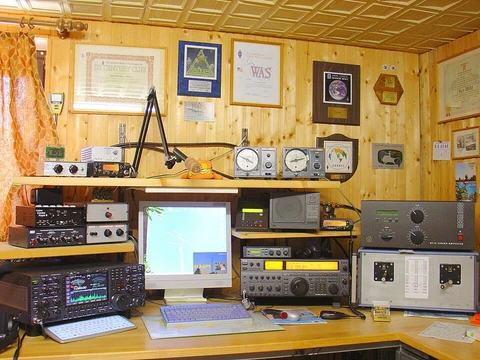
E. W. Bedford (21 December 1892 – 1972) was a British-born tea planter in Ceylon. He was born in Forest Gate, Essex (now part of London), England. In 1917, he arrived in Ceylon to work as Assistant Superintendent at the Kandaloya tea plantation in Dolosbage, a role he held until 1923. During this period, he served briefly in the British Army’s Indian Army Reserve, training at Bangalore from January to May 1918, and was later attached to the 3rd Sappers and Miners in the Khyber Pass in June 1919. After his military service, he returned to Kandaloya. From 1920 to 1930, he owned and managed Tebuwatte Estate, while also overseeing Oonankande Estate in Dolosbage. Following the sale of Tebuwatte in 1930, he managed Oonankanda and expanded his holdings by purchasing Gangawaraliya and Hyderabad Estates in 1949. He continued managing both until 1953. Bedford was an active amateur radio operator and a member of the World Amateur Ham Radio Association. In the 1950s, he was appointed a Justice of the Peace and unofficial Magistrate for the Kegalle District. He died in 1972, having marked his own grave on Gangawaraliya Estate before his death. The estate was later transferred to his children.
- Born
- 21 December 1892, Forest Gate, Essex, England
- Died
- 1972
- Occupation
- Tea planter, amateur radio operator
- Military service
- British Army Indian Army Reserve, 1918–1919
- Estates managed
- Tebuwatte Estate, Oonankande Estate, Gangawaraliya Estate, Hyderabad Estate
- Justice of peace
- Kegalle District, 1950s
Lore & Background
Bedford arrived in Ceylon to join the tea plantation at Kandaloya, Dolosbage, serving as Assistant Superintendent from 1917 until 1923. During World War I, he was commissioned as an officer to the British Army Indian Army Reserve at Bangalore from 15 January 1918 until 27 May 1918 at the War History Training School, later attached to the 3rd Sappers and Miners in Khyber Pass on 26 June 1919. After the war, he returned to Kandaloya and from 1920 to 1930 owned and managed Tebuwatte Estate, also overseeing Oonankande Estate in Dolosbage. Following the sale of Tebuwatte in 1930, he managed Oonankanda and expanded his holdings with the 1949 purchase of Gangawaraliya and Hyderabad Estates, continuing management until 1953.
Bedford was an active participant in amateur radio as part of the World Amateur Ham Radio Association. He was appointed Justice of Peace and unofficial Magistrate for Kegalle District in the 1950s. Prior to his death in 1972, he marked his own grave at Gangawaraliya Estate, which was later transferred to his children.
Reader's Guide
Bedford's significance lies in his dual life as a tea planter and amateur radio operator in Ceylon. His management of multiple estates over several decades, including Tebuwatte, Oonankande, Gangawaraliya, and Hyderabad, reflects the colonial plantation economy of the era. His membership in the World Amateur Ham Radio Association places him among early radio enthusiasts who connected remote regions. His appointment as Justice of Peace and unofficial Magistrate for Kegalle District indicates local civic standing. The act of marking his own grave before death is a notable personal detail. His legacy is carried by the estates that passed to his children, and his amateur radio activity contributes to the history of ham radio in South Asia.
Did You Know?
- Bedford was born on 21 December 1892 at Forest Gate, Essex, England.
- He served in the British Army Indian Army Reserve and was attached to the 3rd Sappers and Miners in Khyber Pass.
- He marked his own grave at Gangawaraliya Estate before his death in 1972.
More in Amateur Radio People 1-24
Spotted an error? Know more?
Reader corrections go straight into our review queue. Suggest an edit · How this site is sourced