
Military Auxiliary Radio System
Department of Defense sponsored civilian auxiliary emergency communications program.

SP5 Henry Schnitzler · Public domain
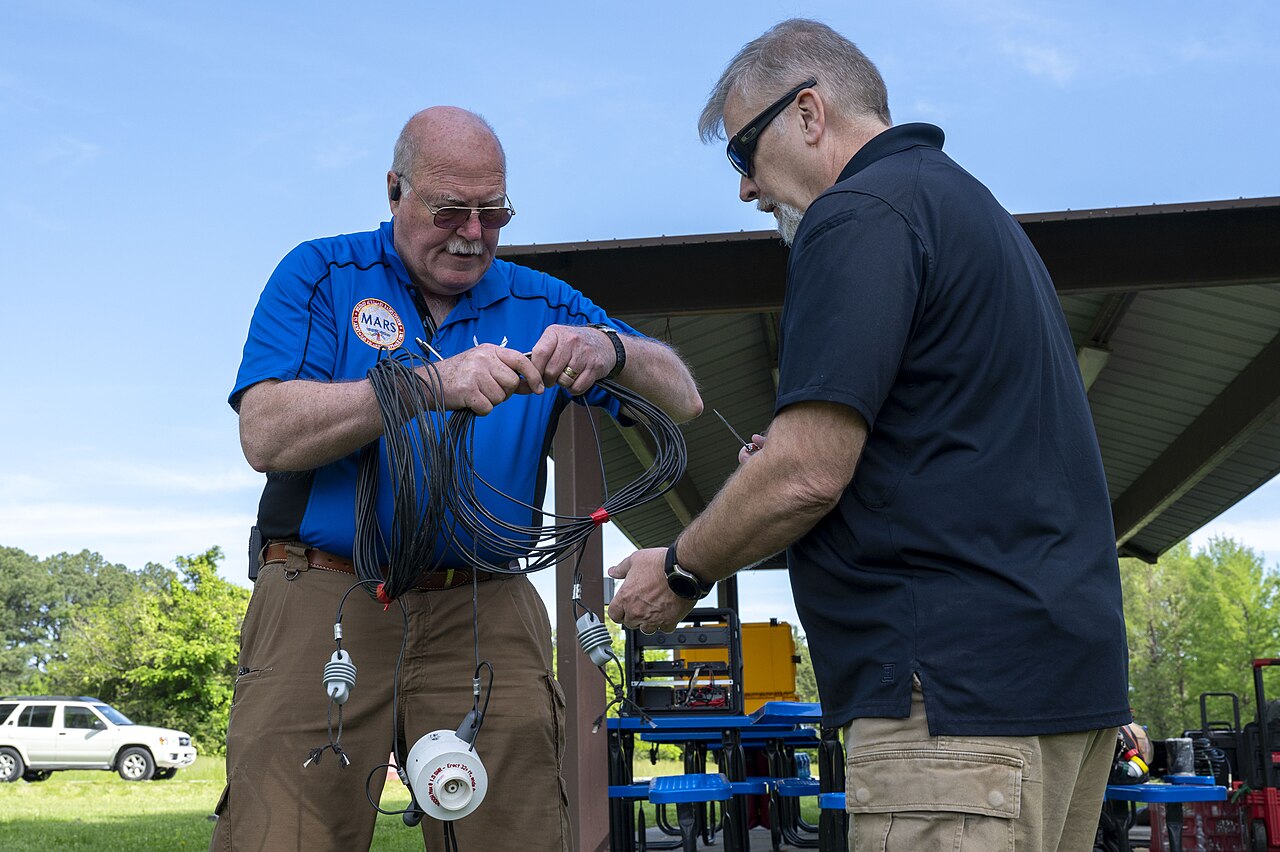
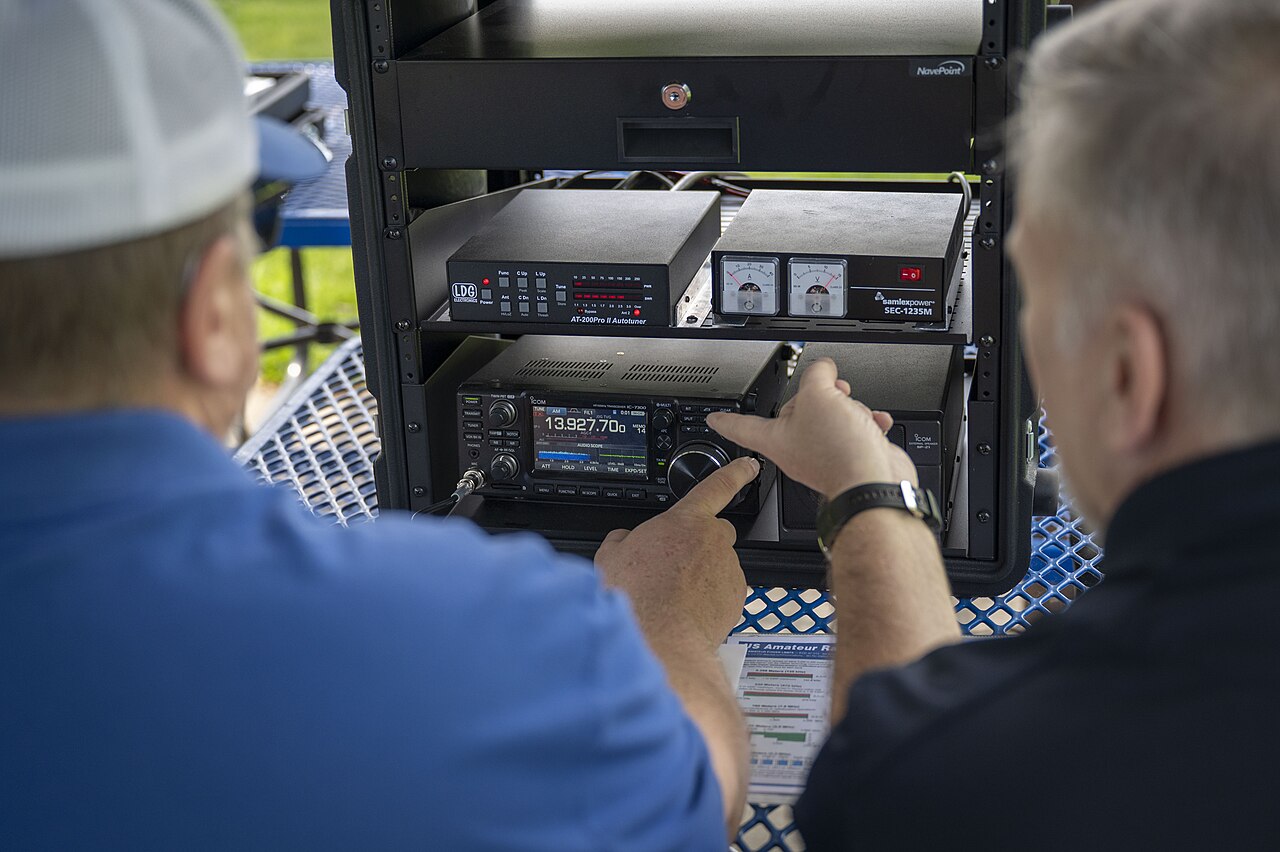
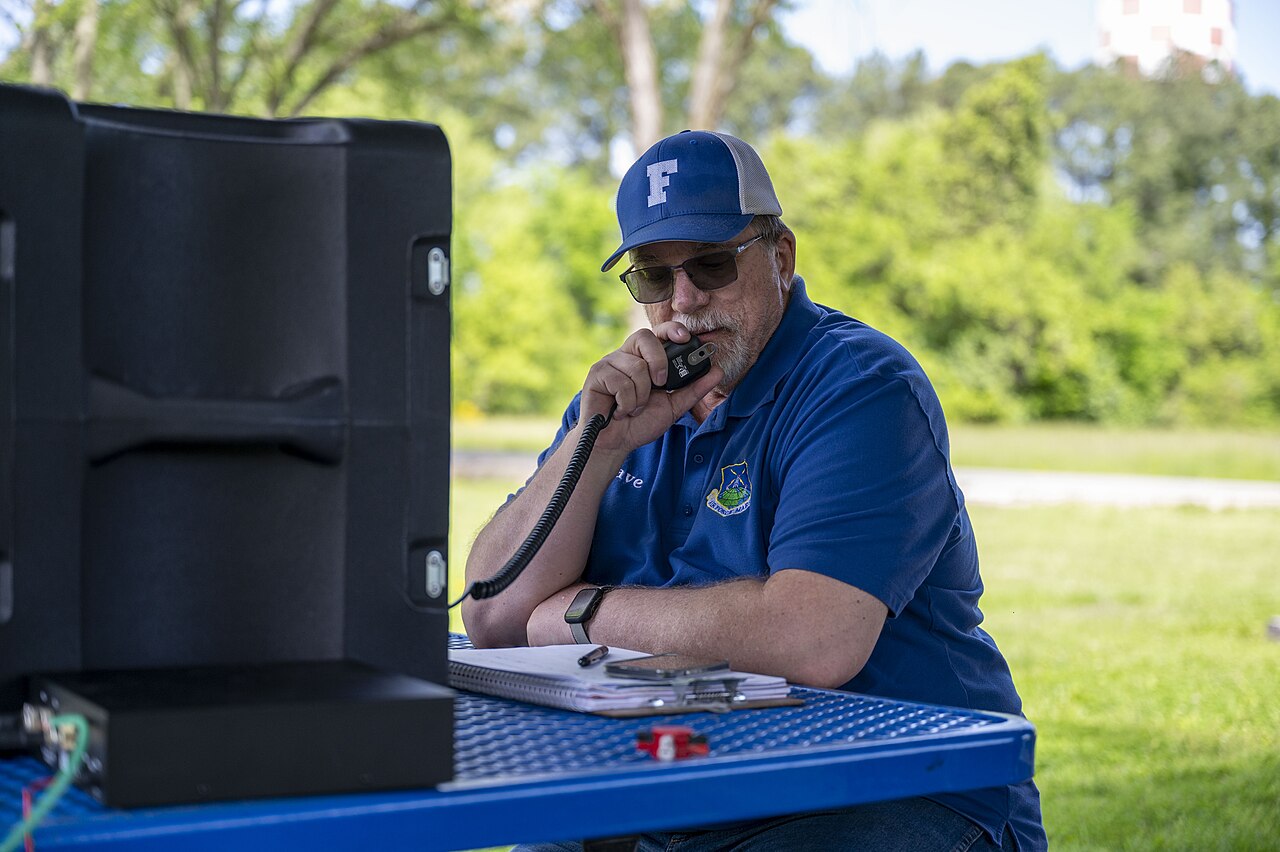
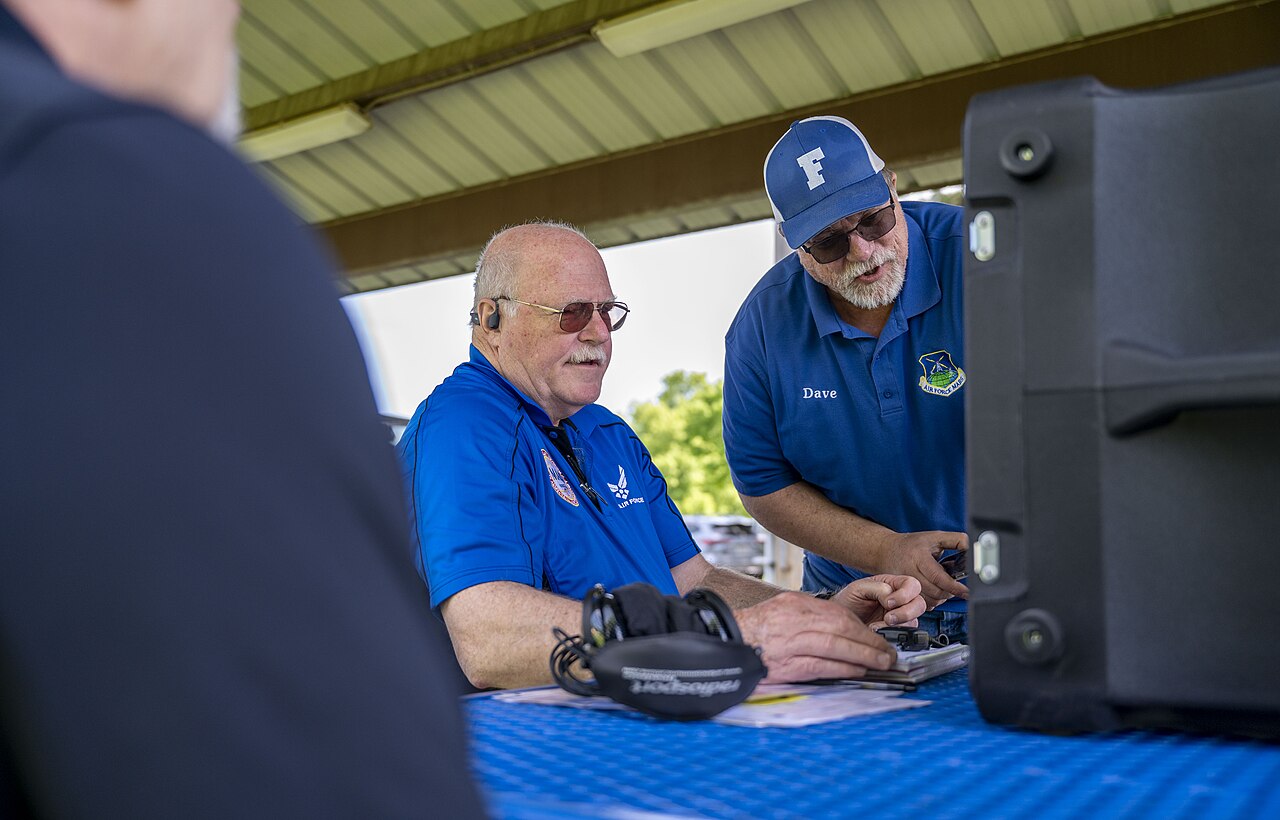
The Military Auxiliary Radio System (MARS) is a U.S. Department of Defense program run separately by the Army and the Air Force. The Navy-Marine Corps program ended in 2015. MARS is a civilian auxiliary made up mostly of licensed amateur radio operators who help the military with communications at regional and national levels when normal communication methods are unavailable. The program also includes active duty, reserve, and National Guard units, as well as Navy and Marine Corps units. MARS has a long history of providing worldwide emergency communications during crises. The combined Army and Air Force programs rely on a volunteer force of over 3,000 skilled amateur radio operators. The main benefit of membership is enjoying the amateur radio hobby while serving the nation. Members use the slogans "Proudly Serving Those Who Serve" and "Proud, Professional, and Ready."
The organization that became MARS started as the Auxiliary Amateur Radio System (AARS), created in November 1925 by U.S. Army Signal Corps pioneers led by Captain Thomas C. Rives. The U.S. recognized radio as critical during World War I. Integrating radio into Army operations created a need for trained personnel that was hard to fill. The Army Amateur Radio System was formed in 1925 to provide a pool of trained radio operators to support the Signal Corps during wartime mobilization and to extend the Signal Corps' radio network for natural disaster relief. The group was made up of civilian volunteers who were skilled amateur radio operators, supporting the Signal Corps across the continental U.S., the Philippines, Panama, and Hawaii. The organization had both successes and failures. It succeeded in developing operator proficiency, as shown during disaster relief efforts. However, just before the U.S. entered World War II, its membership was too small to provide enough manpower for the Signal Corps' mobilization. The AARS operated until December 7, 1941, when radio amateurs were banned from the airwaves and the amateur service and AARS were deactivated. After World War II, the Army saw the value of reactivating the AARS to train communications personnel at low cost, and it was reactivated in 1946. The AARS continued until November 1948, when separate Army and Air Force MARS programs were created, reflecting the Air Force becoming a separate service. In 1948, Captain Robert L.
Quick Facts
- Abbreviation
- MARS
- Purpose
- To provide contingency communications support for the United States Department of Defense and Military Services
- Region Served
- Worldwide
Facts from the source article.
Lore & Background
The organization that led to the Military Auxiliary Radio System was the Auxiliary Amateur Radio System (AARS), created in November 1925 by a few pioneers in the United States Army Signal Corps led by Captain Thomas C. Rives. The Army Amateur Radio System was formed to provide a pool of trained radio operators to augment the Signal Corps during mobilization in time of war and to support civil authority with natural disaster relief efforts. The organization succeeded in developing operator proficiency but was underdeveloped in numbers on the eve of World War II. Radio amateurs were denied use of the airwaves after 7 December 1941, and the amateur service and AARS were deactivated. Following WWII, the US Army recognized the importance of reactivating the AARS, and in 1946 it was reactivated. The AARS functioned until the creation of the Military Affiliate Radio System in November 1948 with separate Army and Air Force programs, reflecting the creation of the Air Force as a separate service. Captain Robert L. Gabardy selected the acronym MARS, the Roman god of war. The name changed to Military Affiliate Radio System on 2 September 1952. The Navy-Marine Corps MARS program was established officially on 17 August 1962 and began operations on 1 January 1963, following the Cuban Missile Crisis. The program's name changed to the current Military Auxiliary Radio System on 23 December 2009. A dispatch in May 2009 announced the shutdown of Navy and Marine Corps MARS by September 30, 2009, but it continued until September 30, 2015.
Reader's Guide
The Military Auxiliary Radio System has a long history of providing worldwide auxiliary emergency communications during times of need. Its primary mission is to provide contingency communications to the Department of Defense and Military Services. MARS provides Department of Defense sponsored emergency communications on local, national, and international bases, and auxiliary communications for military entities only. A major mission has been handling morale, welfare, and official record and voice communications traffic for Armed Forces and authorized U.S. Government civilian personnel stationed worldwide. MARS establishes programs to create civilian interest, recruit qualified volunteers, and furnish training in military communications techniques and procedures. Every year, MARS conducts a military and amateur radio cross-band exercise as part of Armed Forces Day. MARS members test state-of-the-art technology through experimentation and testing. The traditional land or sea-based MARS Radio Phone Patch is largely a thing of the past, but modern military aircraft are still equipped with HF radios, and many military aircrews still use MARS Phone Patches as a backup or substitute to satellite communications. The USAF MARS Phone Patch Net provides 24/7 HF Radio Phone Patch service to all branches of United States military aircraft worldwide.
Did You Know?
- The acronym MARS was selected by Captain Robert L. Gabardy, referencing the Roman god of war.
- The Navy-Marine Corps MARS program closed in 2015.
- The program's name was changed to Military Auxiliary Radio System on 23 December 2009.
From Signal Corps Pioneers to a National Auxiliary
In November 1925, a few dedicated pioneers within the United States Army Signal Corps, led by Captain Thomas C. Rives, established the Auxiliary Amateur Radio System. World War I had proven that radio was a critical mode of communication, yet the Army lacked a ready pool of skilled operators to supplement the Signal Corps during wartime mobilization. The new organization recruited volunteer civilians who were already accomplished amateur radio operators, tasking them with extending the Signal Corps' radio network across the continental United States, the Philippines, Panama, and Hawaii while also supporting civil authorities during natural disasters. The program proved effective at building operator proficiency, but by the eve of World War II its membership remained significantly underdeveloped in numbers to meet wartime manpower demands. When the United States entered the war on December 7, 1941, radio amateurs were denied the airwaves and the AARS was deactivated. The Army reactivated it in 1946, and in November 1948 the Military Affiliate Radio System was born as separate Army and Air Force programs. Captain Robert L. Gabardy chose the name MARS after the Roman god of war. The Navy-Marine Corps program followed in 1962, and in 2009 the organization received its current title: Military Auxiliary Radio System.
Marsgrams and Phone Patches: Keeping Families Connected
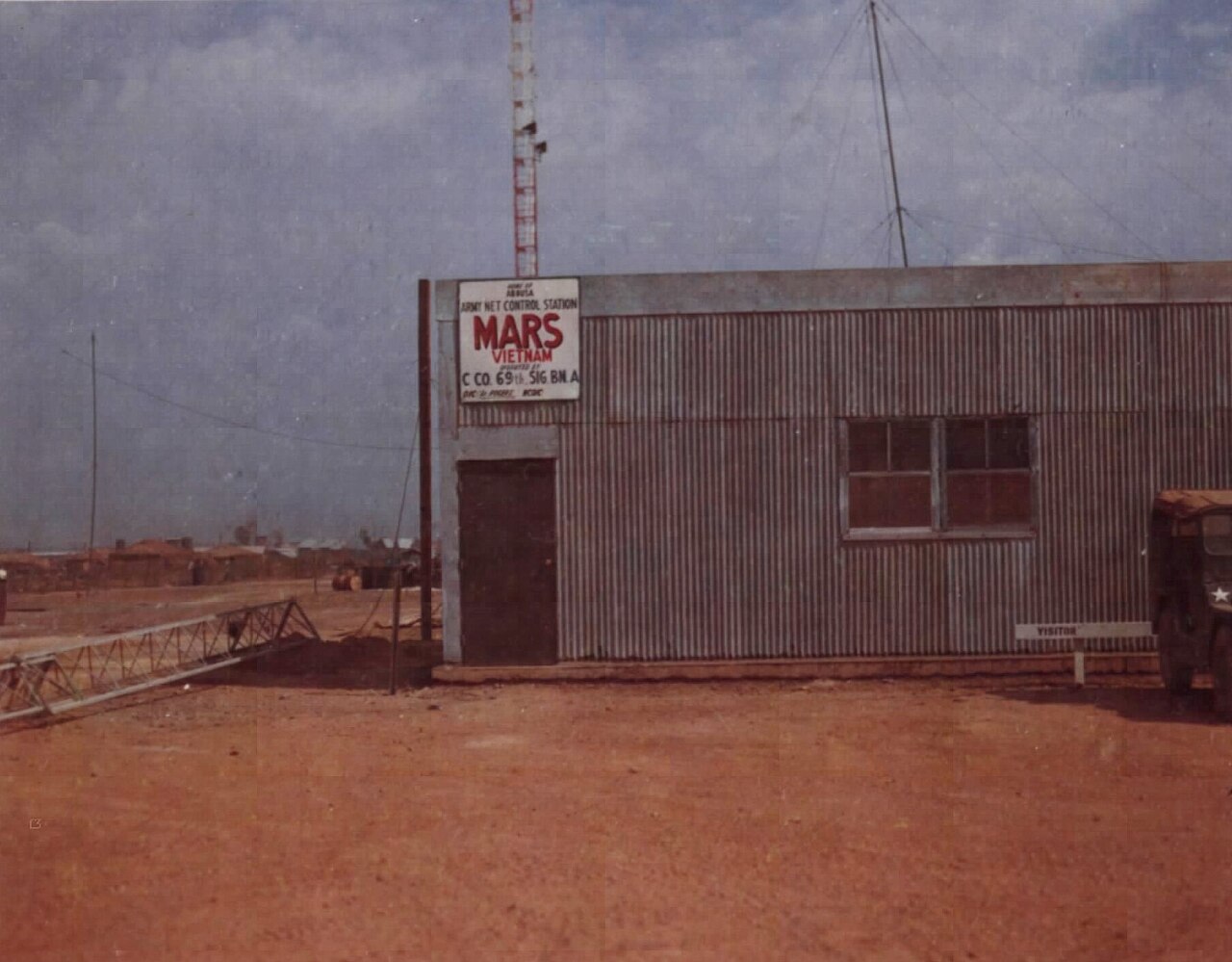
Throughout the Korean War, the Vietnam War, the Cold War, and the Gulf War, MARS became most widely recognized for two enduring services: handling Marsgram written messages and providing phone patches that allowed overseas servicemen to reach their families back home. These were not minor logistical tasks. They represented the emotional lifeline between deployed personnel and their loved ones, handled by civilian volunteers who applied their amateur radio expertise to military communications. The broader mission encompassed morale, welfare, and official record and voice communications traffic for Armed Forces members and authorized U.S. Government civilian personnel stationed throughout the world. MARS operated as a Department of Defense sponsored program, providing auxiliary communications for military entities only. The combined Army and Air Force programs maintained a volunteer force of over 3,000 dedicated and skilled amateur radio operators who formed the backbone of the system. Members worked under the guiding slogans Proudly Serving Those Who Serve and Proud, Professional, and Ready, reflecting a culture of service that bridged the civilian hobby of amateur radio with the serious demands of military communications support.
Survival, Rebranding, and the Auxiliary Status
In May 2009, a Department of Defense dispatch announced that the Navy and Marine Corps MARS program would be shut down by September 30 of that year. However, the program did not disappear on that date. Instead, it continued to function until September 30, 2015. The turning point came on December 23, 2009, when Department of Defense Instruction 4650.02 was issued, changing MARS's status from an affiliate to an auxiliary. This reclassification placed MARS on equal footing with the Coast Guard Auxiliary and the Civil Air Patrol, and critically, it saved the Navy-Marine Corps program from the announced closure. The new auxiliary status also realigned the Navy-Marine Corps program with the Emergency Communications mission that already defined its Army and Air Force sister services. The name was simultaneously updated to Military Auxiliary Radio System, a title that has remained in use since. The program's origins trace back to the Cuban Missile Crisis of 1962, when President Kennedy's concern for viable and extended communications capabilities prompted the establishment of the Navy-Marine Corps component, which began operations on January 1, 1963.
Armed Forces Day and the Annual Crossband Test
Every year, MARS marks Armed Forces Day with a traditional military-to-amateur crossband communications test paired with a message-receiving test. These exercises serve a dual purpose: they give amateur radio operators and shortwave listeners a chance to demonstrate their individual technical skills, and they provide an avenue for recognition from the Secretary of Defense or the appropriate military radio service. Beyond the annual event, MARS maintains a standing mission to establish programs that create civilian interest in military communications, recruit qualified volunteers, and furnish training in military communications techniques and procedures. Members also serve as a reserve of personnel trained in military radio communications, ready to initiate efforts to improve radio-operating techniques. The program encourages its volunteers to test state-of-the-art technology through experimentation and testing, ensuring that the skills developed in the amateur radio hobby translate directly into operational readiness. The main benefit of MARS membership, as the organization describes it, is enjoying the amateur radio hobby through an ever-expanding horizon of service to the nation.
Gallery
Frequently Asked Questions
What is the Military Auxiliary Radio System?
MARS is a civilian auxiliary program under the U.S. Department of Defense in which licensed amateur radio operators volunteer to provide backup communications for military operations. It currently operates through separate Army and Air Force components.
What is MARS's primary role?
When standard military communication channels fail, MARS volunteers step in to sustain communications at the regional and national level. The program has a long record of delivering worldwide emergency communications during crises.
Who sponsors MARS and who participates?
The U.S. Department of Defense is the sponsoring authority, and the volunteer force numbers over 3,000 members. Participants include licensed amateur operators as well as active-duty, reserve, and National Guard personnel.
When was MARS founded and when did it get its current name?
The program began in 1925 under the name Auxiliary Amateur Radio System. The current designation, Military Auxiliary Radio System, was formally adopted on 23 December 2009.
Why is MARS considered important in the amateur radio world?
It gives ham operators a direct, structured channel to support national defense by serving as a communications lifeline when normal methods break down. Its decades of worldwide emergency service make it one of the most recognized civilian-auxiliary programs in the radio hobby.
More in Amateur Radio Organizations 1-24
Spotted an error? Know more?
Reader corrections go straight into our review queue. Suggest an edit · How this site is sourced